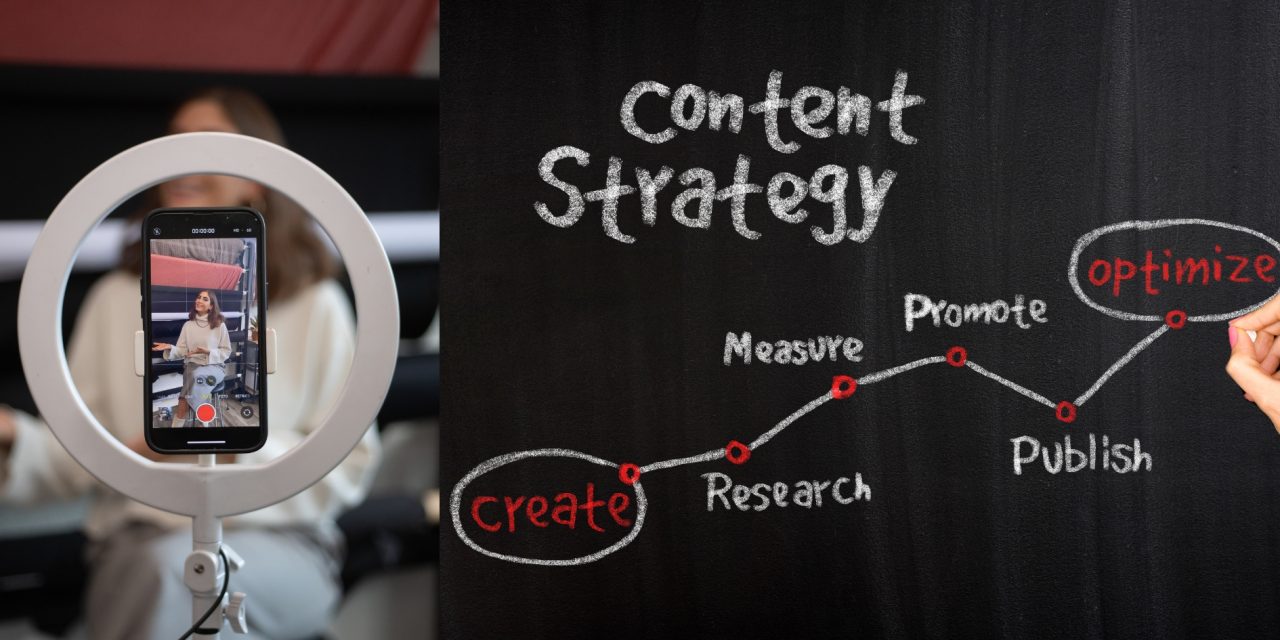
If you think creating content for niche audiences is just posting cat memes and hoping for clicks, you’re seriously underestimating the game. Micro-genres demand precision, personality, and strategy to really connect.
Effective content creation isn’t about shouting the loudest—it’s about crafting messages that speak directly to your tribe. Let’s break down how tailoring to specific audiences and using unique themes can elevate your creative approach from random posting to targeted storytelling.
Tailoring Content to Niche Audiences
The most powerful strategies begin with understanding exactly who you’re talking to. Generic messaging won’t cut it for micro-genre audiences that crave relevance. To create tailored content, start by building detailed audience personas. Platforms like Xtensio, with free and paid options up to $29 monthly, help you map demographics, interests, and even pain points. These personas act as your roadmap when planning posts, videos, or campaigns.
For example, eco-conscious millennial women may respond better to sustainable living tips paired with Instagram-ready visuals. Analyzing engagement metrics from platforms like Pinterest and Instagram can reveal which tones and topics resonate most. With that data, you can tweak strategies to better match audience behaviors.
Regularly revisiting and refining personas ensures your messaging evolves as your audience does. Staying aligned with their shifting preferences strengthens loyalty and ensures your content always feels fresh and relevant, especially in today’s streaming-driven culture.
Utilizing Unique Themes and Tropes
Standing out in crowded micro-genres requires themes that feel distinct yet relatable. Themes create structure, while tropes provide the hooks audiences recognize instantly.
Trello can be invaluable here, allowing you to brainstorm and organize boards around specific genres like retro gaming or DIY crafts. By mapping these ideas visually, you maintain clarity and consistency across campaigns.
Take retro gaming as an example: nostalgia is a potent trope. Highlighting pixel art aesthetics or iconic game mechanics can instantly connect with that community. For DIY crafts, emphasizing real-life projects alongside tutorials brings authenticity while reinforcing the do-it-yourself ethos.
Keeping these ideas organized ensures your narratives remain sharp and cohesive. The result is content that stands apart, resonates deeply, and builds stronger engagement with micro-genre audiences.
Conclusion
Great content creation is never an accident—it’s a mix of strategy, creativity, and constant refinement. By tailoring to niche audiences and weaving in unique themes, you make your work not only stand out but also stick. In today’s crowded digital landscape, personalization and originality are your best allies.So, how will you shape your next campaign to truly capture your micro-genre audience? Discover more expert strategies at DLK Music Pro News.
If you think creating content for niche audiences is just posting cat memes and hoping for clicks, you’re seriously underestimating the game. Micro-genres demand precision, personality, and strategy to really connect.
Effective content creation isn’t about shouting the loudest—it’s about crafting messages that speak directly to your tribe. Let’s break down how tailoring to specific audiences and using unique themes can elevate your creative approach from random posting to targeted storytelling.
Tailoring Content to Niche Audiences
The most powerful strategies begin with understanding exactly who you’re talking to. Generic messaging won’t cut it for micro-genre audiences that crave relevance. To create tailored content, start by building detailed audience personas. Platforms like Xtensio, with free and paid options up to $29 monthly, help you map demographics, interests, and even pain points. These personas act as your roadmap when planning posts, videos, or campaigns.
For example, eco-conscious millennial women may respond better to sustainable living tips paired with Instagram-ready visuals. Analyzing engagement metrics from platforms like Pinterest and Instagram can reveal which tones and topics resonate most. With that data, you can tweak strategies to better match audience behaviors.
Regularly revisiting and refining personas ensures your messaging evolves as your audience does. Staying aligned with their shifting preferences strengthens loyalty and ensures your content always feels fresh and relevant, especially in today’s streaming-driven culture.
Utilizing Unique Themes and Tropes
Standing out in crowded micro-genres requires themes that feel distinct yet relatable. Themes create structure, while tropes provide the hooks audiences recognize instantly.
Trello can be invaluable here, allowing you to brainstorm and organize boards around specific genres like retro gaming or DIY crafts. By mapping these ideas visually, you maintain clarity and consistency across campaigns.
Take retro gaming as an example: nostalgia is a potent trope. Highlighting pixel art aesthetics or iconic game mechanics can instantly connect with that community. For DIY crafts, emphasizing real-life projects alongside tutorials brings authenticity while reinforcing the do-it-yourself ethos.
Keeping these ideas organized ensures your narratives remain sharp and cohesive. The result is content that stands apart, resonates deeply, and builds stronger engagement with micro-genre audiences.
Conclusion
Great content creation is never an accident—it’s a mix of strategy, creativity, and constant refinement. By tailoring to niche audiences and weaving in unique themes, you make your work not only stand out but also stick. In today’s crowded digital landscape, personalization and originality are your best allies.So, how will you shape your next campaign to truly capture your micro-genre audience? Discover more expert strategies at DLK Music Pro News.