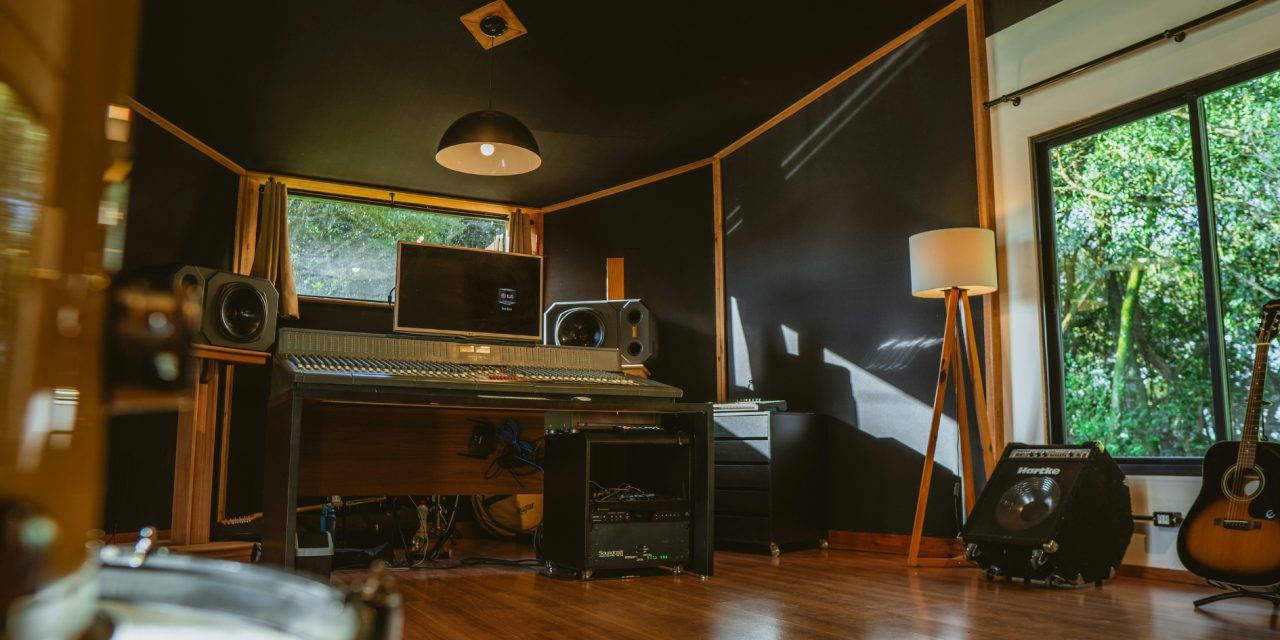
For years, “green studios” sounded like something you’d worry about after fixing your cable buzz. That era is ending fast. By 2026, sustainable studio gear is projected to reduce production-related carbon footprints by up to 40%, according to recent Green Media Report estimates. The shift isn’t about sacrifice, it’s about smarter materials, efficient power use, and long-term resilience.
For modern creators, sustainability is no longer a side conversation. Ethics now intersect directly with performance, cost, and reputation. This article breaks down what sustainable studio gear actually means, why it matters in 2026, and how the market is responding.
What Sustainable Studio Gear Really Means
Sustainable studio gear is defined by lifecycle impact, not marketing language. It follows ISO 14040 standards, measuring environmental effects from raw material extraction through manufacturing, usage, and end-of-life recycling. This scope applies to microphones, mixers, cables, interfaces, and even studio furniture. The goal is reduced impact without compromising audio performance.
Certification tiers clarify commitment levels. Bronze certification focuses on RoHS compliance, limiting hazardous substances in electronics. Silver adds Energy Star requirements, improving efficiency in monitors, amplifiers, and lighting. Accordingly, these tiers that ensure studios reduce energy waste during daily operation.
Higher tiers push further into material ethics. Gold certification mandates FSC-certified wood or renewable materials like bamboo and hemp fiber. Platinum requires B Corp status, ensuring ethical supply chains and transparent manufacturing. Diamond status represents carbon-negative gear through offsets and regenerative design.
Real-world examples already exist. Neumann’s TLM 107c features a recycled aluminum chassis without altering sonic integrity. Studios can prioritize these tiers strategically, building eco-conscious setups aligned with 2026 production expectations.
Why Sustainability Matters in the 2026 Production Landscape
By 2026, eco practices will have a direct impact on competition. Sound on Sound’s 2024 survey shows Gen Z artists increasingly prefer LEED-certified studios. For them, environmental responsibility signals competence. As such, studios that neglect this risk losing audiences.
Festival and touring policies speed up the shift. Events like Glastonbury now enforce carbon-neutral rider requirements for performers. Artists respond by choosing carbon-neutral studios and sustainable production partners. These mandates turn environmental compliance into a practical necessity.
Labels reinforce the pressure. Universal Music Group’s ESG targets require ethical production practices from signed artists. This includes recyclable microphones, energy-efficient amplifiers, and reduced waste workflows. Alignment with these standards can influence release priority and long-term partnerships.
Similarly, consumer behavior plays a role. Spotify’s 2025 “Green Soundscapes” algorithm boosted eco-conscious artists and studios. Digital-first workflows, paperless production, and energy-efficient gear now influence discovery. Sustainability is quietly shaping audience perception.
Market Growth Signals a Structural Shift
The sustainable audio equipment market is no longer niche. MarketsandMarkets’ Q4 2024 report projects growth from $2.8B in 2024 to $4.2B by 2026, a 22% CAGR. This reflects rising demand for ethical manufacturing and durable, repairable gear. Studios increasingly value durability over disposability.
Market Growth Snapshot
Year Market Size
2024 $2.8B
2025 $3.4B
2026 $4.2B
Microphones lead adoption due to recyclable designs and longer product lifespans. Monitors and interfaces follow with energy-efficient components. Brands like AIAIAI push recycled ocean plastics in headphones, while sE Electronics and Neumann advance carbon-neutral microphone lines. These moves signal where the industry is heading.
Studios tracking 2026 trends focus on modular furniture, solar-powered mixers, and low-waste cabling systems. Sustainability is becoming a design principle, not an add-on.
Conclusion
Sustainable studio gear is no longer about optics. By 2026, it directly influences cost efficiency, artist preference, and industry access. Certification standards, market growth, and policy pressure are aligning in the same direction. Studios that adapt early gain operational and reputational advantages.
This shift doesn’t stop at materials. It connects to workflow efficiency, power management, and long-term gear strategy. Future coverage will examine how sustainability intersects with microphones, lighting systems, power solutions, storage, and studio workflows. The green studio is becoming the smart studio.
If sustainability now affects bookings, releases, and reputation, how future-proof is your current studio setup? Follow DLK Music Pro News as upcoming pieces break down sustainable gear and eco-efficient studio workflows.