There’s a point in every studio upgrade journey where you stop asking, “Does it sound good?” and start asking, “Wait… why does this sound this good?” That’s usually where high-end audio conversion enters the conversation—and where things get expensive fast.
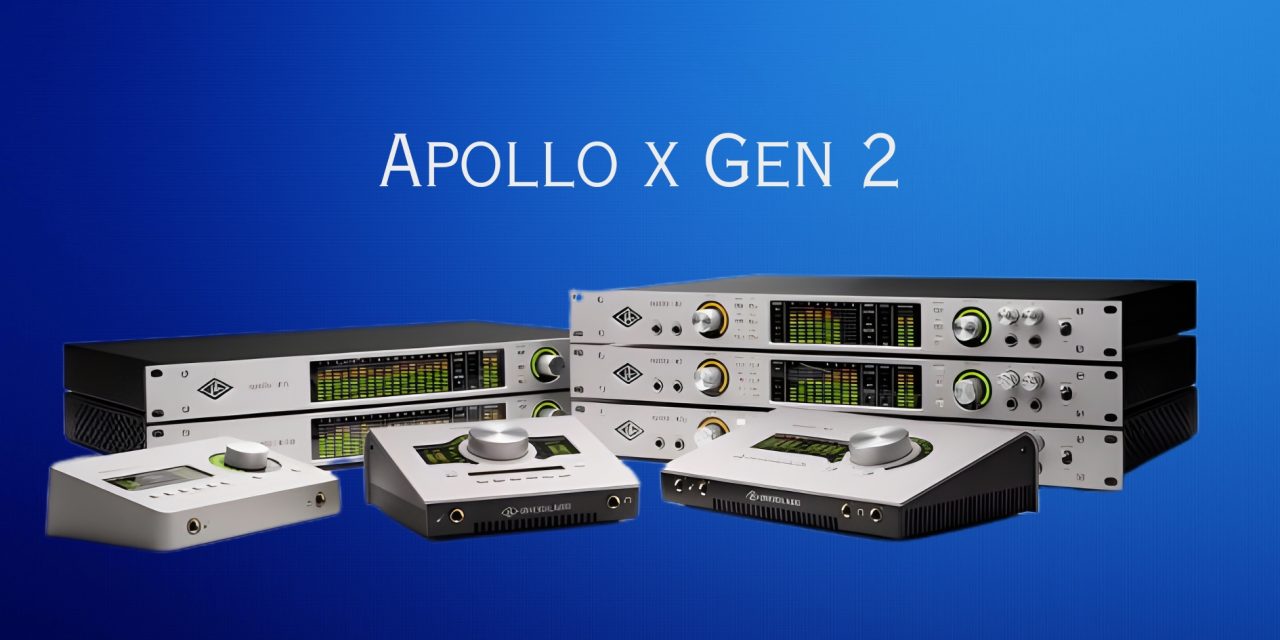
Enter the Universal Audio Apollo x Gen 2.
This isn’t just another interface refresh. It’s a serious leap in AD/DA conversion, pushing performance into territory that starts competing with standalone units that cost as much as a small home studio setup. Let’s break down what makes this next-gen upgrade such a big deal.
Upgraded AD/DA Converters: What’s Actually Changed
The Apollo x Gen 2 brings elite-level conversion with:
- 129dB D/A dynamic range
- 124dB A/D dynamic range
- THD+N at -118dB
That’s a noticeable jump from the previous generation—and it places this interface ahead of competitors like the RME ADI-2 in certain key areas of headroom and clarity.
Here’s how it stacks up:
| Spec | Apollo x Gen 2 | Focusrite Clarett+ |
| A/D Dynamic Range | 124dB | 124dB |
| D/A Dynamic Range | 129dB | 124dB |
| THD+N | -118dB | -110dB |
| EIN | -129dBu | -129dBu |
| Clock Jitter | <50ps | 50ps |
Compared to options like the Focusrite Clarett+, the Apollo x Gen 2 delivers cleaner conversion, lower distortion, and tighter timing accuracy.
In practical terms, that means:
- More detail in recordings
- Cleaner transients
- Less unwanted coloration
Basically, what goes in… actually comes out the way it should. (A surprisingly rare luxury.)
Enhanced Dynamic Range: Real Headroom, Real Impact
Dynamic range isn’t just a spec—it’s what determines how well your interface handles loud peaks and quiet details at the same time.
With 129dB D/A range, the Apollo x Gen 2 captures significantly more headroom than many standard interfaces.
| Interface | D/A Dynamic Range |
| Apollo x Gen 2 | 129dB |
| Focusrite Clarett+ | 119dB |
| Audient iD44 | 126dB |
That extra headroom becomes critical when recording:
- Drums with aggressive transients
- Brass sections with wide dynamics
- Vocals that move from soft to powerful
For example, you can track a loud kick drum hitting near digital limits without immediate clipping, reducing the need for heavy compression during recording.
It also improves gain staging confidence. Engineers can push levels where needed without constantly worrying about distortion creeping in.
Ultra-Low Latency: Real-Time Workflow Advantage
Latency can quietly ruin an otherwise perfect session. Nothing breaks a vocalist’s flow faster than hearing their voice come back half a second late.
Thanks to Thunderbolt and onboard DSP, the Apollo x Gen 2 delivers:
- ~0.7ms roundtrip latency at 96kHz
- As low as 0.52ms at 44.1kHz
| Sample Rate | Roundtrip Latency |
| 44.1kHz | 0.52ms |
| 96kHz | 0.7ms |
| 192kHz | 1.2ms |
That’s significantly lower than many USB-based interfaces, which often sit in the 5–10ms range.
In real sessions, this means:
- Applying compression (like an 1176-style plugin) in real time
- Tracking vocals with reverb without delay distraction
- Running smooth overdubbing sessions in DAWs like Ableton Live or Pro Tools
Pair it with Universal Audio’s ecosystem, and you’re essentially getting a near-zero latency monitoring environment that feels like working on a high-end console.
Conclusion
The Apollo x Gen 2 isn’t just an incremental upgrade—it’s a serious leap in audio conversion quality.
With improved dynamic range, ultra-low distortion, and near-zero latency performance, it pushes into a space typically reserved for much more expensive standalone converters. For producers and engineers looking to elevate their recordings, this interface delivers clarity, precision, and confidence at every stage of the workflow.
If your goal is cleaner recordings, better translation, and a more professional sound overall, this is the kind of upgrade that actually makes a difference—not just on paper, but in every session.
Would upgrading your audio interface for better conversion actually change your mixes—or are you squeezing everything you can out of your current setup? Let us know in the comments and stay ahead of pro audio breakthroughs with DLK Music Pro News!