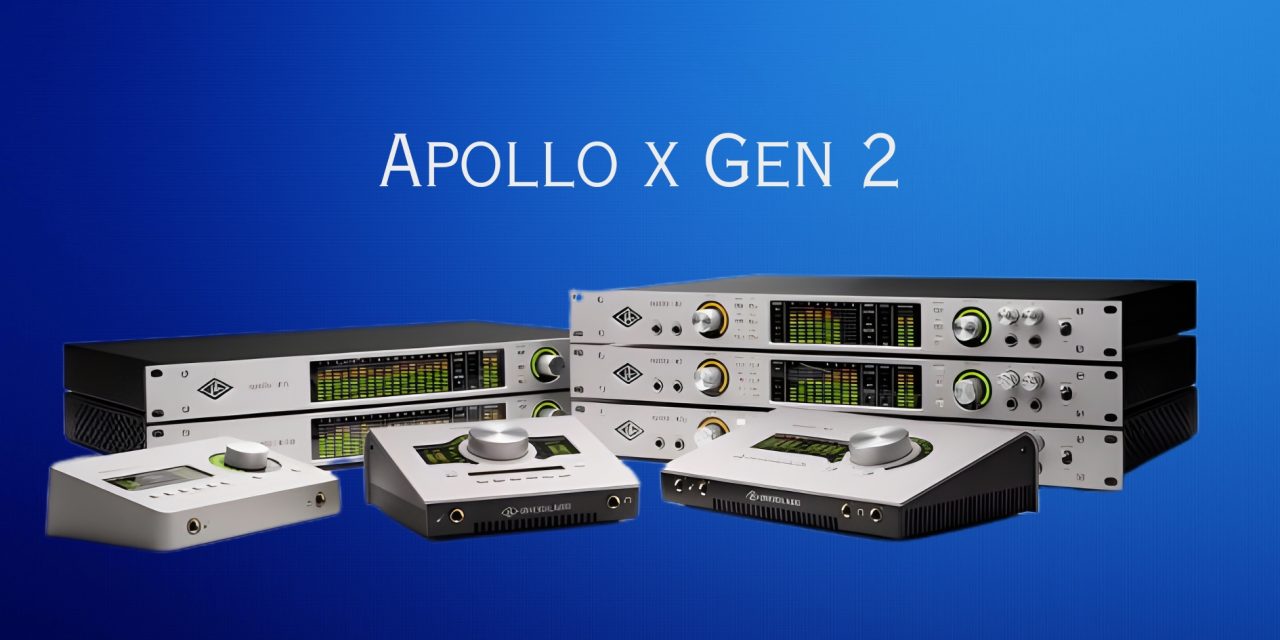
If you have ever carried an interface to a session and quietly prayed it survives the trip, this matters.
The Apollo x Gen 2 is not built like a delicate studio ornament. It feels like equipment designed by engineers who assume it will be rack-mounted, road-tested, and pushed for twelve straight hours without mercy. This is not about aesthetics alone. It is about structural integrity, thermal control, and long-term reliability under real studio pressure.
This review focuses strictly on build quality. We will examine the chassis construction, thermal management, front panel ergonomics, and rackmount adaptability. Later in this series, we will break down the DSP architecture, conversion quality, and workflow advantages that make Apollo unique.
For now, we look at the foundation: how it is built and why that matters.
Premium Build and Design Philosophy
Crafted from aircraft-grade aluminum and fitted with military-spec connectors, the Apollo x Gen 2 balances durability with precision engineering. Universal Audio did not design this unit as a lightweight plastic box. They built it as a structural platform for sustained DSP performance.
The aluminum chassis supports a reported -129 dBu EIN noise floor in studio environments. That number is not just marketing. It reflects careful shielding, grounding strategy, and internal layout discipline. In long sessions using Unison preamps and real-time UAD processing, thermal consistency becomes critical. Heat instability introduces performance fluctuations. Aluminum construction helps prevent that.
Compared to plastic enclosures, aluminum dissipates heat far more efficiently. This allows sustained HEXA Core operation without thermal throttling. Engineers tracking multiple channels at once benefit from stable AD/DA conversion across extended sessions.
Ergonomic touches also matter. Intuitive front-panel controls reduce interruptions during tracking. Paired with Apollo Console software, the hardware layout streamlines gain staging and monitoring adjustments without excessive menu diving.
Dimensions balance portability and stability. At roughly 5–6 pounds and around 10 x 6 x 2 inches for half-rack models, the unit anchors securely on a desk without feeling bulky. Rubber feet and included rack hardware make it adaptable to multiple studio environments, from compact home setups to hybrid professional rigs.
This is industrial design with purpose, not decoration.
Elite Chassis Construction
The chassis is machined from 6061 aluminum billet, the same grade used in high-end hardware systems like Focusrite RedNet. This material choice provides superior thermal mass compared to plastic competitors, enabling sustained DSP operation at full load.
When running demanding UAD plugins such as Neve 1073 or UA 610 tube preamp emulations, thermal stability becomes essential. Aluminum absorbs and disperses heat evenly, preventing overheating during intensive sessions. The result is consistent processing performance and protection of high-resolution audio pathways.
Vibration-isolated converters further protect the elite AD/DA stages. In mobile rigs or busy studios where physical movement is inevitable, this isolation helps maintain dynamic range and signal integrity. Compared to lighter interfaces like the RME Babyface, Apollo x Gen 2 offers greater physical mass and structural stability.
A sealed power supply contributes to the -129 dBu EIN specification by shielding the internal circuitry from PSU-induced noise. This design choice supports ultra-low noise performance in both controlled studios and less predictable environments.
The unit is rated for IP54 dust resistance. While not waterproof, this level of protection suits home studios, tour vans, and moderately dusty environments.
Thunderbolt 3 connectivity is securely integrated into the rear chassis, supporting low latency monitoring without fragile port wobble. For users running Logic Pro, Ableton Live, or Pro Tools, this mechanical durability complements digital reliability.
This is a chassis engineered for sustained professional use, not occasional hobby sessions.
Intuitive Front Panel Layout
Hardware ergonomics define workflow speed. Apollo x Gen 2 places critical functions directly under your hands.
A single multi-function monitor knob handles volume, pan, and navigation. Dedicated talkback functionality eliminates the need for external routing hacks. Two headphone outputs provide independent mixes, essential for tracking sessions with multiple performers.
The dual headphone amplifiers deliver approximately 300mW at 32 ohms. That is sufficient to drive demanding reference headphones without distortion or underpowering. Artists can monitor clearly without relying solely on external amps.
Dedicated DIM, Cue, and Mono buttons allow instant reference checks. Switching to mono for vocal phase evaluation takes seconds. In Dolby Atmos or spatial audio workflows, quick monitoring adjustments are essential. The physical buttons support fast decision-making without interrupting creative flow.
LED metering provides immediate visual feedback for gain staging. Phantom power and hi-Z input activation are clearly accessible. During overdubbing or re-amping, engineers can make changes instantly without diving into menus.
This front-panel efficiency mirrors analog workflow principles inside a digital precision system. It reduces friction. In high-pressure sessions, friction is the enemy.
Rackmount Versatility
Unlike fixed-form-factor competitors such as the RME Fireface, Apollo x Gen 2 offers flexible mounting configurations.
The x8p HEXA rackmount model includes both rack ears and desktop feet, allowing hybrid studio usage. This flexibility makes it adaptable across multiple environments.
Three mounting scenarios illustrate its versatility:
Desktop Mode
Rubber feet provide vibration damping and airflow beneath the chassis. Cable management can run cleanly under the unit without obstructing thermal vents.
Half-Rack Configuration (x4/x6 models)
These models fit tight studio spaces while maintaining unobstructed ventilation. Ideal for compact desks or mobile rigs.
Full-Rack Installation (x8p)
Included horizontal rack ears secure the unit in mastering suites or professional racks. Thermal airflow remains optimized even in dense installations.
Included hardware typically features rack ears, desktop feet, and adhesive cable clips. This helps manage line inputs, S/PDIF, ADAT optical, and word clock connections without clutter.
Expansion via UAD Satellite allows additional DSP scaling. In hybrid studios running LUNA or other DAWs, this modular approach supports long-term growth.
For Mac and Windows users alike, the physical adaptability ensures the interface fits the studio instead of forcing the studio to adapt to it.
Conclusion
Build quality is not glamorous until something fails. Apollo x Gen 2 demonstrates that premium materials, intelligent thermal engineering, and ergonomic hardware layout directly affect long-term performance. From its 6061 aluminum chassis to its vibration-isolated converters and flexible rack design, the unit is engineered for sustained professional workloads.
Before we even discuss conversion depth, DSP architecture, or Unison integration, the physical platform already signals seriousness. Universal Audio built this interface to survive modern studio demands, not merely function within them.
And that foundation matters more than most producers realize.
Would your current interface survive twelve-hour sessions, mobile gigs, and constant plugin load without compromise? Tell us what build features matter most in your setup, then stay locked in with deep pro audio breakdowns only at DLK Music Pro News!


