The creative development process is where raw ideas transform into compelling stories ready for production. It’s the stage where producers, writers, and directors align on vision, refine structure, and shape characters into narratives that resonate.
Far from being a technical checklist, this process is a collaborative art form that blends structure with creativity. When managed well, it ensures projects stay both organized and inspired.
Script Review and Constructive Feedback
At the heart of creative development lies the script review. Producers play a pivotal role here, guiding the narrative while leaving room for the writer’s voice.
Modern tools like Final Draft (priced at $249) simplify this process by allowing direct annotations, comments, and highlights within the script. This reduces the friction of endless email chains and helps discussions stay precise. Scheduling real-time feedback sessions—ideally 30-minute meetings on Zoom—keeps conversations focused and prevents creative fatigue.
After each session, distributing a short Google Form can capture everyone’s thoughts in a structured way. This ensures quieter voices are still heard, and feedback remains actionable. The key lies in offering specific, constructive guidance (e.g., “tighten dialogue in Act II, Scene 3”) rather than vague comments. Over time, this approach fosters scripts that are not only tighter but also truer to the project’s creative goals.
Collaboration with Writers and Directors
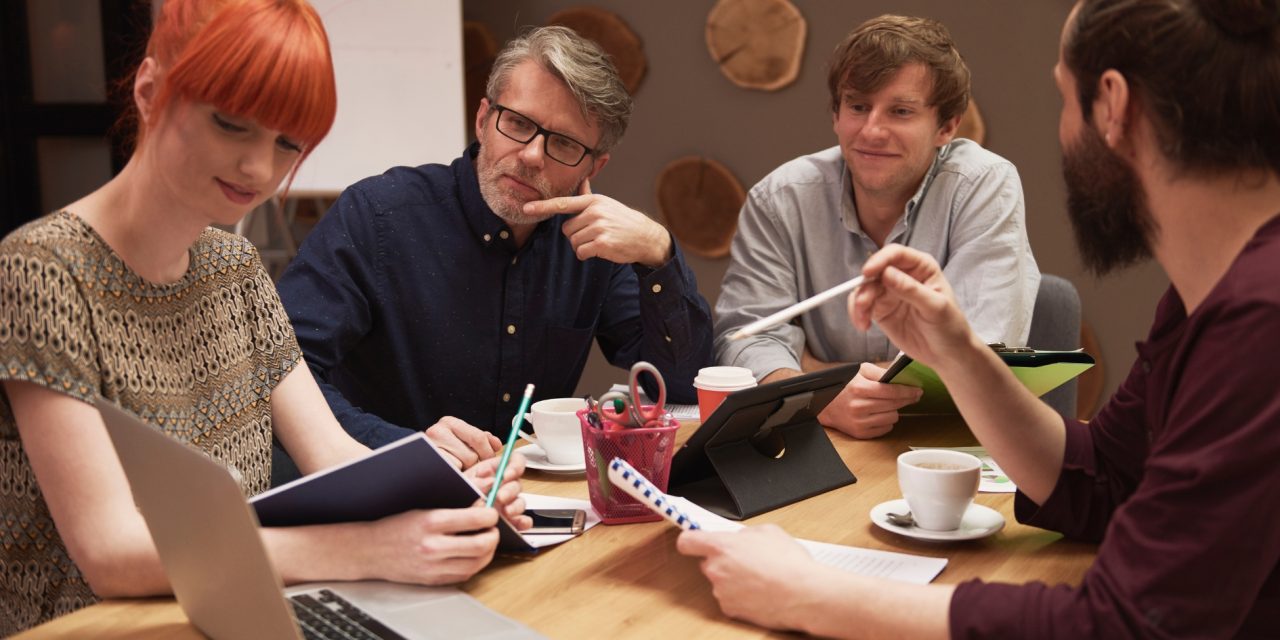
Once scripts evolve, collaboration becomes the engine driving creative development forward. Writers, directors, and producers must build a shared language, often aided by project management and brainstorming platforms.
Trello is particularly effective for assigning tasks, setting deadlines, and visualizing workflow. Writers can use it to track revisions, while producers monitor overall progress. Meanwhile, directors benefit from Miro, where visual storyboards and idea maps bring abstract concepts into clear focus.
Weekly check-ins via Google Meet ensure alignment, giving everyone a chance to raise issues before they snowball. These small, consistent touchpoints foster accountability while keeping the project moving toward its creative milestones. The most successful teams use these tools not as rigid systems, but as springboards for imaginative dialogue.
Conclusion
The creative development process is where vision takes shape. It’s where scripts are honed, teams align, and structure meets imagination. By combining modern collaboration tools with disciplined yet flexible workflows, producers can guide projects from rough drafts to refined narratives that are both organized and emotionally resonant.
Ultimately, success lies in recognizing that creative development is not about control—it’s about collaboration. When writers, directors, and producers work in synergy, the result is a final product that captivates both creatively and structurally.
Want more insights on how to combine creativity with efficient workflows? Stay connected with DLK Music Pro News for strategies, tools, and inspiration to elevate your projects from concept to completion.