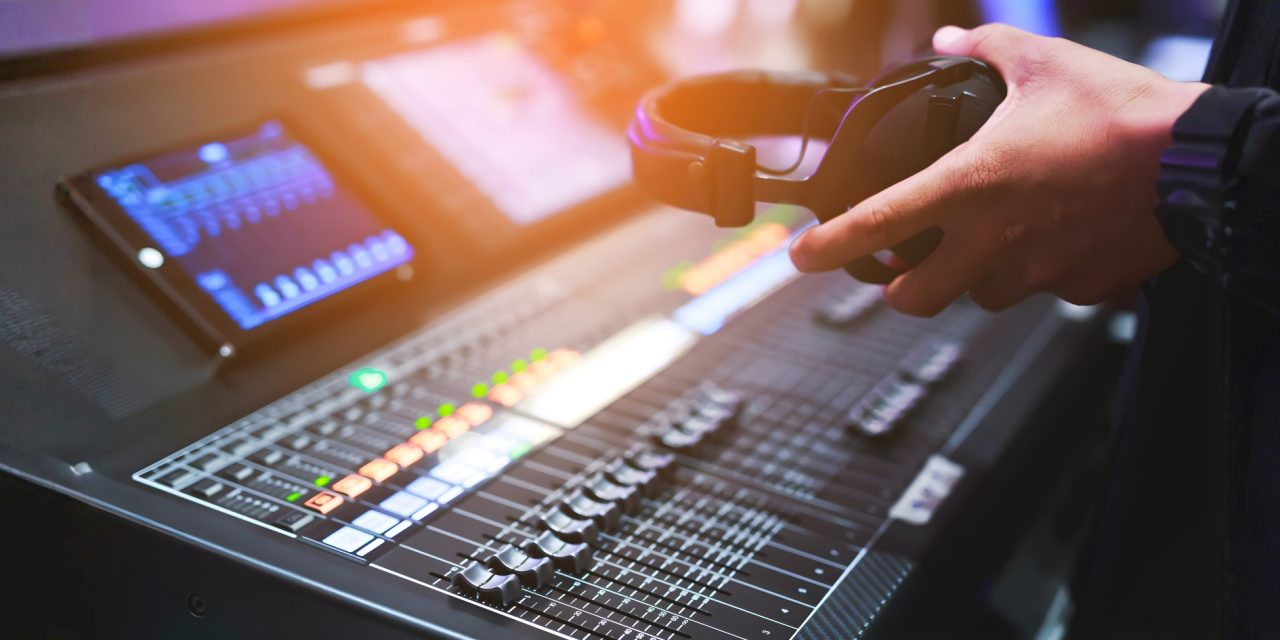
If your mix session starts with music and ends with staring at meters, you’re not alone. Gain staging was supposed to keep things tidy, not turn producers into full-time level supervisors. As modern sessions pile on plugins, buses, and revisions, traditional gain staging quietly becomes the least creative part of the process. This article is designed to help producers move faster, mix cleaner, and stop fighting levels before the real work begins.
What once worked fine in smaller sessions now struggles under modern demands. Tiny level issues multiply across signal chains, and suddenly the mix feels fragile instead of flexible. The problem isn’t bad engineering, it’s outdated workflow assumptions. Before smarter tools make sense, it’s worth understanding exactly where the old process starts working against you.
Traditional Pain Points in Mixing
Traditional gain staging often requires adjusting 15–25 gain points per track. These include input trims, plugin chains, buses, and the master fader. Every adjustment demands constant attention to peaks, averages, and headroom. The result is hours spent managing levels instead of shaping sound.
Plugin clipping is one of the most common issues. Signals exceeding 0 dBFS inside plugins introduce distortion that can hide until late-stage processing. Many engineers aim for -6 dBFS input on EQs and compressors to preserve headroom. This allows boosts without triggering digital artifacts.
Fader creep adds another layer of instability. A vocal might start at -12 dBFS, then slowly climb to -8 dBFS across multiple sessions. Ears adapt, balance shifts, and mix clarity erodes. Revisiting projects only makes the drift worse.
Inter-sample peaks create problems during export and mastering. Peaks above 0 dBTP often appear after conversion to streaming formats. Mastering limiters then work harder than expected, flattening dynamics. Parallel processing on sends also eats into mix bus headroom faster than many realize.
Impact on Workflow Speed and Consistency
Poor gain staging slows everything down. Manual checks force repeated pauses to correct levels across the session. The workflow becomes reactive instead of creative. Momentum suffers as technical fixes interrupt decision-making.
In a typical session, manual gain staging can take roughly 45 minutes. This includes checking peak levels, RMS balance, and headroom repeatedly. Automated or assisted approaches can reduce this to around 12 minutes. That time savings directly benefits creative work like automation and tone shaping.
Consistency also takes a hit with manual methods. Level variations of ±3.2 dB across tracks are common, especially across revisions. These inconsistencies hurt mix translation across speakers, headphones, and cars. Assisted workflows often keep variation closer to ±0.5 dB.
One engineer on Gearslutz reported losing 16 hours per week to level matching alone. After switching to assisted gain tools, that time dropped significantly. Focus shifted back to dynamics and musical intent. That shift is becoming essential in modern production.
Setting the Stage for Smart Gain Staging
Smart gain staging exists because traditional methods no longer scale cleanly. These tools analyze peaks and averages to establish stable starting levels early in the chain. The goal is consistency, not replacing creative decisions. Fewer level problems upstream mean fewer fixes downstream.
Tools like FabFilter Pro-L 2 and iZotope Ozone already hint at this shift through advanced metering and adaptive behavior. Newer tools extend this idea further by managing gain before issues stack up. For now, it’s enough to recognize why the change is happening. The details come next.
Conclusion
Traditional gain staging still functions, but its weaknesses are becoming harder to ignore. As sessions grow larger and louder, small level issues multiply into workflow bottlenecks. Manual adjustments invite drift, reduce consistency, and quietly steal creative time. Recognizing these limits is the first real step forward.
Smart gain staging is not a shortcut, but a response to persistent problems. Before adopting new tools, it’s critical to understand what they’re actually fixing. This first part is about identifying friction, not selling solutions. The next part will break down how smart gain staging works and when it truly helps.
How much creative time is your current gain-staging process quietly stealing from every mix? Stay tuned to DLK Music Pro News, where the next part dives into smart gain staging and how it reshapes modern mixing workflows.


