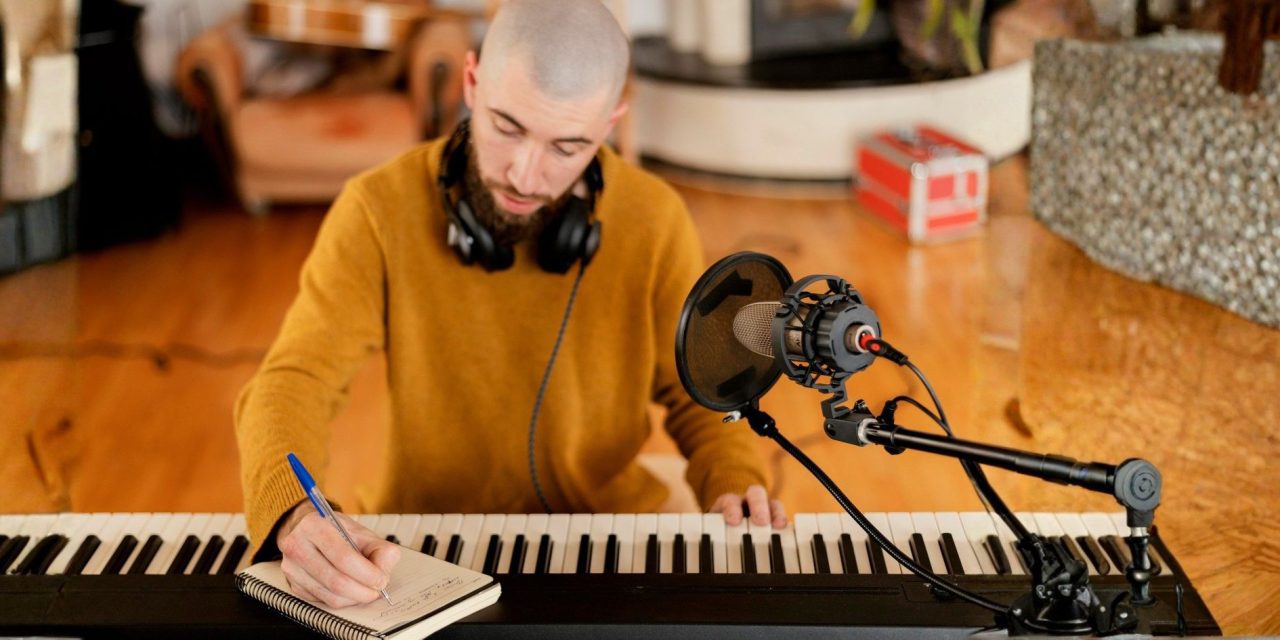
Ghostwriting isn’t new—it’s just finally getting the side-eye it deserves. In a world where one catchy hook can launch a career, the invisible pens behind the stars hold surprising power.
These unseen collaborators quietly shape artist identities, steering the fine line between creativity and credibility. And while some fans don’t care who wrote the lyrics (as long as it slaps), others can’t help wondering—if it’s not your words, is it still your truth?
Creative Freedom vs. Commercial Success
Ghostwriters can be both saviors and saboteurs. They give artists polished material that wins radio play, but sometimes strip away the raw edge that makes the music feel real. Drake has thrived under this model—partnering with songwriters to craft irresistible hits while facing constant chatter about authenticity.
Then there’s J. Cole, whose refusal to rely on ghostwriters has become his signature. Every bar feels lived-in, every lyric deeply personal. He’s proof that writing your own story can build stronger fan loyalty—even if it doesn’t always guarantee a number-one hit. For most artists, though, the choice isn’t so simple: it’s a balancing act between protecting their voice and perfecting their sound.
Public Perception and Authenticity
When word gets out that an artist uses ghostwriters, public opinion shifts fast. Critics question credibility, and fans start dissecting old lyrics like detectives. The Weeknd and Drake have both faced that storm—yet they’ve learned to redirect it. By openly discussing their creative process, sharing behind-the-scenes clips, and celebrating their teams, they transform critique into connection.
Transparency is the new authenticity. In an era when fans crave “realness,” artists who own their process—ghostwriters and all—tend to emerge stronger. After all, letting the world see how the magic happens might just be the most honest move of all.
Wrap Up
Ghostwriting’s influence on artists runs deeper than a hidden credit line—it shapes their brand, voice, and the way fans connect with their music. Whether it’s a creative partnership or a calculated strategy, one thing’s certain: behind every hit, there’s always more than one heartbeat.
If authenticity can be shared, does it make the music less true—or more collaborative? Explore more perspectives on the artistry behind the music at DLK Music Pro.


