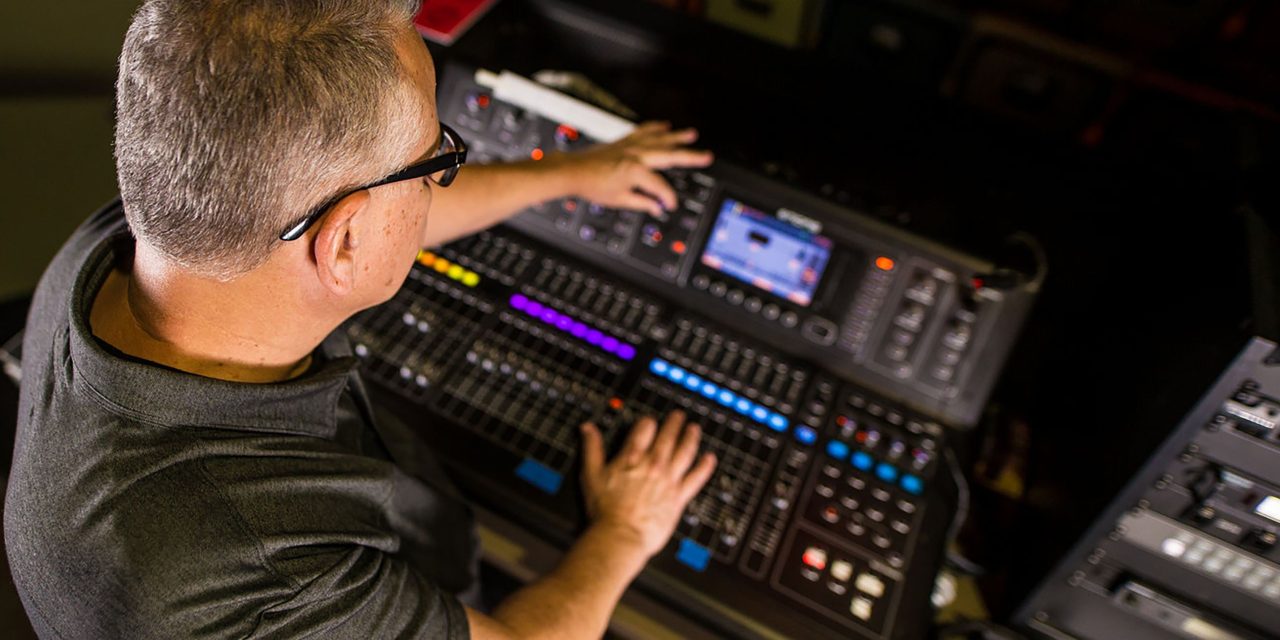
Most listeners think mastering is just somebody making songs “a little louder” before release. Meanwhile, mastering engineers are over here fighting microscopic phase issues, taming rogue transients, and apparently now partnering with quantum computing like Marvel side characters nobody warned us about.
The mastering world in 2026 looks wildly different from the analog-tape romanticism producers still love posting about online. Today’s specialists use advanced processing, AI-assisted workflows, and quantum optimization tools to preserve detail at levels most listeners will never consciously notice — even though they absolutely feel the difference.
Behind many modern records is a mastering engineer quietly polishing the final 2% that makes a song suddenly sound expensive, immersive, and strangely addictive.
Quantum Mastering Specialists
Quantum mastering specialists focus on preserving tiny sonic details across high-resolution masters, especially in 24-bit/192kHz workflows. Instead of relying purely on traditional analog coloration, these engineers use quantum-assisted algorithms to optimize inter-sample peaks, stereo coherence, and transient response with extreme precision.
The goal is not simply loudness anymore. Modern mastering revolves around clarity, translation, and maintaining emotional impact across every playback system — from headphones to club speakers to streaming platforms.
Tools like iZotope Ozone 11 and the Weiss MM-2 help engineers balance dynamic range while preserving low-end detail and high-frequency openness. The result is cleaner stereo imaging, smoother loudness control, and mixes that feel wider and more polished without sounding crushed.
Phase-Coherent Final Polish
One of the biggest priorities in modern mastering is phase coherence. Poor phase relationships can weaken bass response, collapse stereo width, and make records feel strangely “small” even when technically loud.
Plugins like Voxengo PHA-979 help engineers align multitrack elements more accurately across the stereo field. Combined with linear-phase EQs and quantum-optimized limiting chains, mastering engineers can preserve detail while keeping playback balanced across multiple listening environments.
The modern mastering workflow often includes:
- phase correlation analysis,
- linear-phase EQ adjustments,
- high-resolution dithering,
- and streaming-optimized loudness validation.
These details may sound obsessively technical, but they directly affect how immersive a record feels emotionally. Great mastering often goes unnoticed because listeners simply experience the music as smoother, clearer, and more impactful without realizing why.
The New Invisible Influencers
Mastering engineers have quietly become some of the most influential people in modern music production. While producers and artists shape the creative vision, mastering specialists increasingly shape how that vision emotionally translates to listeners.
In genres like hip-hop, electronic music, and cinematic pop, mastering decisions now affect everything from low-end punch to streaming platform consistency. Engineers are balancing technical precision with musical feel more carefully than ever before.
As AI production tools continue evolving, mastering engineers may become even more valuable — not less. Ironically, the more automated music creation becomes, the more listeners seem to crave records that still feel human, dimensional, and emotionally alive.
Conclusion
Mastering has evolved far beyond final loudness adjustments. In 2026, mastering engineers are combining advanced processing, AI-assisted tools, and quantum optimization techniques to shape records with extraordinary precision and depth.
Most listeners will never notice the technical decisions happening behind the scenes — but they absolutely notice how the music feels. And increasingly, that feeling is being shaped by mastering specialists working quietly at the edge of technology and musicianship.
What is one song that instantly convinced you somebody behind the scenes obsessed over every tiny sonic detail? Discover more of the engineering stories shaping today’s biggest records at DLK Music Pro News.


