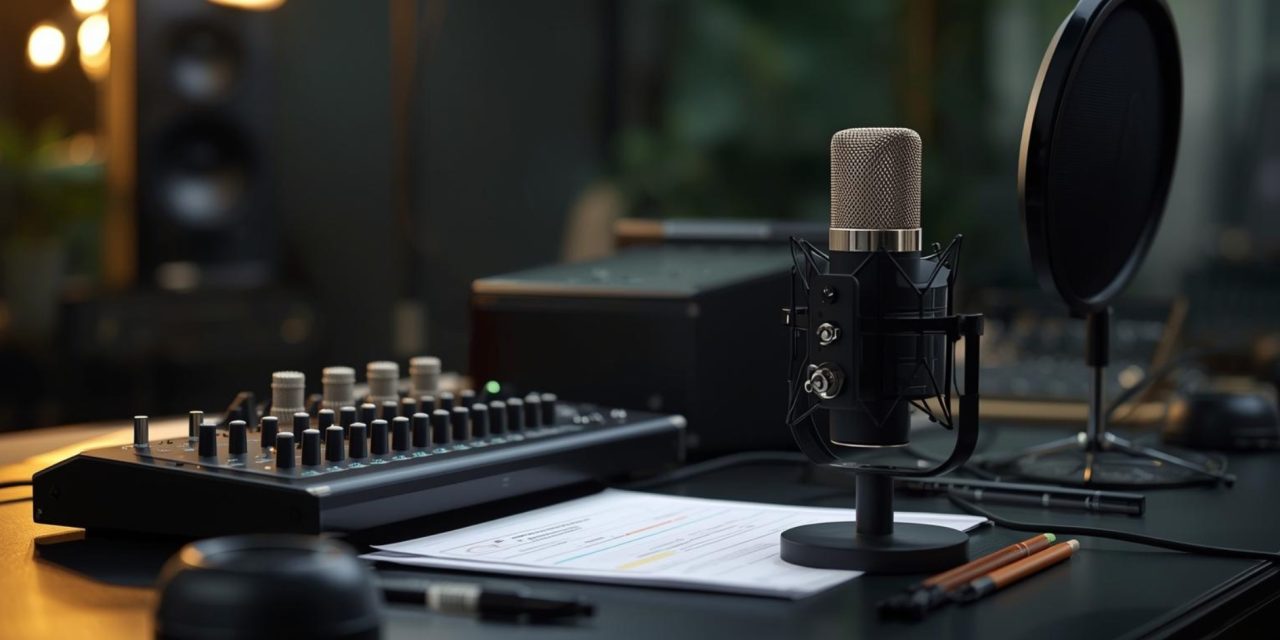
Studio gear used to hide its environmental impact behind black plastic shells and impressive spec sheets. Nobody asked what a microphone was made from, as long as it sounded “warm” and survived a drop. In 2026, that ignorance is getting expensive, because materials now affect cost, durability, compliance, and long-term studio viability, not just ethics.
What’s changed is not guilt, but engineering. Manufacturers are replacing virgin plastics with ocean-recovered polymers, swapping PVC for hemp composites, and shipping gear in packaging grown from mycelium instead of foam.
These material choices cut embodied carbon by over 70% while meeting new standards for recycled content and biodegradability. Sustainable studio gear is no longer a lifestyle statement. Rather, it is a technical response to how studios are expected to operate moving forward.
Material Innovations in Gear Design
The most impactful changes are happening at the material level, where manufacturers rethink plastics, textiles, and structural components. Recycled polymers now replace virgin plastics without compromising strength or weight. Plant-based materials like hemp, algae, and bamboo outperform traditional options in durability and emissions reduction. Upcycled fabrics turn industrial waste into protective accessories with longer lifespans.
Together, these material choices support eco-friendly production trends that align with circular economy principles. Studios adopting this gear reduce waste, lower carbon impact, and benefit from products designed for repair rather than disposal. The result is sustainability that feels practical instead of performative.
Recycled Plastics and Polymers
Recycled plastics lead the transition, especially ocean-bound and post-consumer polymers. Products like the AIAIAI TMA-2 Move reduce virgin plastic use by up to 92%, preventing roughly 1.2 tons of CO2e per 1,000 units. These materials transform waste streams into studio-grade components without sacrificing reliability.
Ocean HDPE and recycled PET dominate this category. Their lower density keeps headphones and cases lightweight, while structural integrity remains high.
Brands such as sE Electronics, Neumann, and Shure now use recycled polymers in microphone housings, stands, and accessories that meet professional durability standards.
| Material | Density (g/cm³) | CO2 Savings | Brands | Examples |
| Ocean HDPE | 0.95 | 78% | AIAIAI | TMA-2 |
| Recycled PET | 1.38 | 65% | sE Electronics | V7X |
| Post-Consumer PP | 0.90 | 70% | Universal Audio | Apollo Cases |
| Recycled ABS | 1.05 | 62% | Neumann | TLM Stands |
| Ocean Nylon | 1.15 | 75% | Shure | SM7B Housings |
Selecting gear made from these polymers reduces microplastic pollution and supports plastic-free initiatives. REACH-compliant materials also ensure safety and ethical manufacturing across global supply chains.
Bio-Based and Plant-Derived Materials
Bio-based materials push sustainability even further by replacing petroleum plastics entirely. Hemp fiber cables from Lava Cable achieve up to 89% lower lifecycle emissions than PVC while delivering three times the tensile strength. These materials grow rapidly, require less water, and degrade naturally at the end of life.
Hemp composites, bamboo fibers, algae-based PLA, and mycelium packaging now appear across studio products. Hemp resists wear in cables and headphones, bamboo provides rigid yet lightweight casings, algae PLA biodegrades within 90 days, and mycelium forms compostable packaging in under a week. Compared to traditional plastics, these materials excel in renewability and regenerative design.
Evaluating full lifecycle impact is essential. Brands that use FSC-certified wood or GOTS-certified textiles demonstrate measurable reductions in production energy and waste. Bio-materials allow studios to adopt eco-mics and green monitors without compromising performance.
Upcycled Fabrics for Cases and Accessories
Upcycled fabrics complete the sustainability picture by extending material life instead of creating new demand. GOTS-certified organic cotton mic sleeves divert over 8,200 plastic bottles per 1,000 units. These fabrics transform waste into accessories built for repeated use.
Recycled sailcloth now reinforces flight cases capable of thousands of flex cycles. Bottle-derived polyester protects microphones, while deadstock denim forms guitar straps that withstand daily strain. Fishing net nylon becomes cable organizers, and factory-remnant wool lines recycled cases for added protection.
Durability testing shows many upcycled fabrics outperform virgin materials. When paired with cork monitor stands and repairable electronics, they support circular economy audio practices that reduce embodied carbon while improving product longevity.
Conclusion
Material innovation has shifted sustainable studio gear from theory to execution. Recycled polymers, bio-based materials, and upcycled fabrics now meet professional standards while dramatically reducing environmental impact. These changes align durability, repairability, and performance with responsible manufacturing.
As 2026 standards continue tightening, material transparency and lifecycle assessment will define trustworthy brands. Studios investing in sustainable gear gain long-term value, lower waste, and equipment designed to evolve rather than expire.
How often do you think about what your gear is made from, not just how it sounds? DLK Music Pro News explores how sustainable studio materials are shaping smarter, longer-lasting production setups for modern creators.