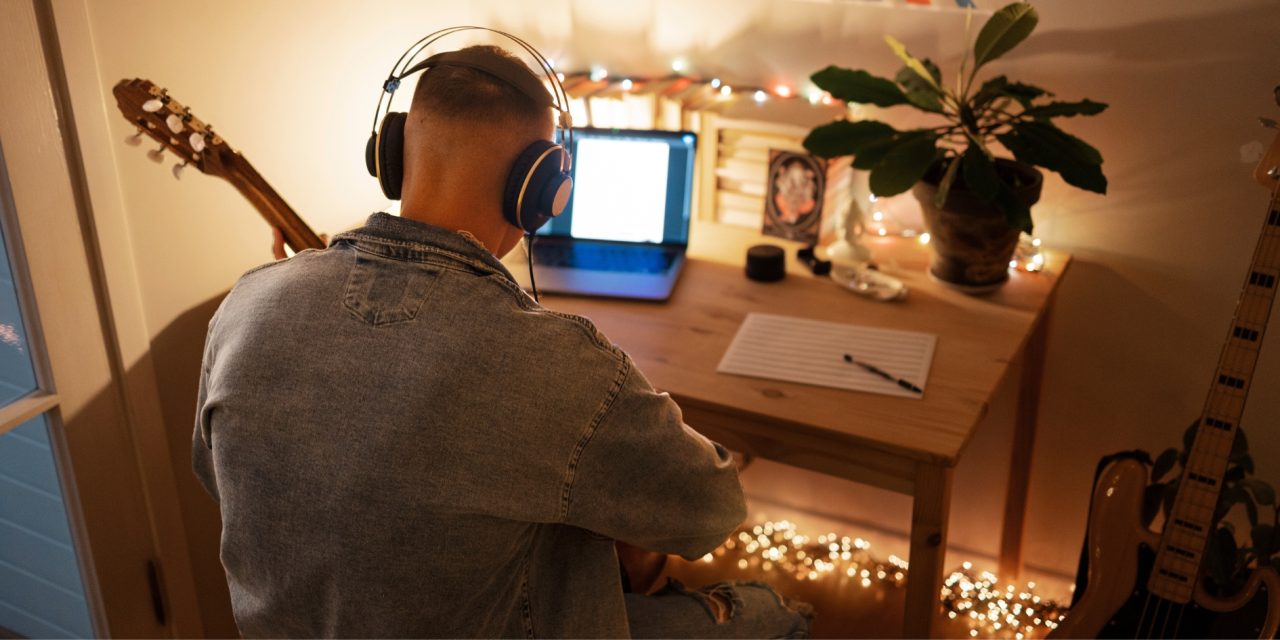
Ghostwriting used to feel like a secret backroom deal—mysterious, discreet, almost cinematic. Now it looks more like a collaborative creative service that lives right next to your favorite plugins and your daily caffeine supply.
With independent artists multiplying and digital platforms shaping careers overnight, ghostwriters have become essential partners rather than hidden figures. The future of the craft looks bright, busy, and surprisingly transparent as more unsigned artists seek help shaping their signature sound.
Trends and Predictions
The rise of independent artists continues to shift how music is made, released, and marketed. With more than 40% of albums now released outside traditional labels, many creators no longer have access to in-house writing teams or structured support systems.
That gap boosts demand for skilled ghostwriters who can strengthen lyrics, refine concepts, and bring clarity to messy creative ideas. As more artists self-release, this trend accelerates, pointing toward a steady climb in professional writing partnerships.
Streaming platforms also play a major role. They reward unique narratives, catchy concepts, and fresh storytelling—qualities ghostwriters specialize in. Personalized writing helps artists stand out in crowded feeds, making each track feel intentional and distinct. Industry experts project a 20% increase in ghostwriting demand within five years, driven by streaming culture, independent workflows, and the need for voice-driven branding across genres.
Potential for Growth in the Industry
Diverse genres open even more doors. Ghostwriters now move between country, hip-hop, alt-pop, or niche micro-genres with ease, offering tailored writing for different sonic identities. Many expand their services beyond lyrics, venturing into promotional content creation, concept development, and even sonic branding for artists shaping new eras.
Platforms like SoundBetter and Fiverr help writers connect directly with clients, strengthening visibility through networking and consistent collaborations. By building portfolios that include co-writing sessions, developmental songwriting, or creative coaching, ghostwriters set themselves up for sustainable, long-term growth. As the industry evolves, those who embrace flexibility and niche specialization will find the demand both steady and diverse.
Conclusion
Ghostwriting is shifting from a shadowed role into a recognized creative partnership that empowers independent artists. With more creators seeking clarity, storytelling, and structure, the profession is positioned for substantial growth.
In a landscape driven by streaming, personality, and originality, ghostwriters will continue shaping music from behind the scenes—with more credit, more collaboration, and more opportunity than ever.
How ready are you to leverage professional ghostwriting to boost your sound and sharpen your creative identity? Discover more industry insights and forward-thinking strategies at DLK Music Pro News.