NAMM used to feel like a gear playground where everything looked revolutionary… until you got home and realized half of it didn’t fit your desk—or your budget.
Now, as we move through 2026, the conversation has shifted. It’s less about flashy demos and more about what actually works for real creators. Think smaller setups, smarter tools, and gear that respects both your workflow and your wallet.
So instead of rehashing hype from 2024, this is a reality check: which trends have actually survived, evolved, and earned a place in modern home studios?
AI-Powered Production Tools (Still Growing, Still Debated)
AI didn’t disappear after the buzz—it just got quieter and more useful. Tools like Google MusicFX and Neutone are no longer trying to “replace producers.” Instead, they’re becoming fast idea generators and workflow accelerators.
For bedroom producers in 2026, the real win is time. You can sketch melodies, test harmonies, or split stems in minutes, then jump into your DAW for the human touch. That balance matters, because AI still struggles with emotional nuance—but it’s excellent at removing repetitive tasks.
A typical workflow now looks cleaner: generate an idea, refine it in Ableton Live or FL Studio, then polish with AI-assisted tools instead of starting from scratch. What used to take hours can now take a focused session.
The key shift in 2026 isn’t “AI makes hits.” It’s AI helps you get to your ideas faster without killing your originality.
Hybrid Analog-Digital Gear (Still Winning for Feel + Flexibility)
This trend didn’t just survive, it matured. Producers still crave that analog warmth, but nobody wants a setup that eats half their room.
Gear like the Behringer Neutron and Make Noise 0-Coast continues to hit that sweet spot: hands-on sound design with digital integration that fits modern workflows.
In 2026, the appeal is practical. These units are compact, adaptable, and easy to route into DAWs like Logic Pro. You get tactile control without sacrificing convenience.
What’s changed is how producers use them. Instead of building massive modular rigs, more creators are running lean hybrid setups—one or two key pieces that add character to otherwise digital productions.
It’s not about collecting gear anymore. It’s about choosing tools that actually inspire you to finish tracks.
Compact Studio-in-a-Box Solutions (More Relevant Than Ever)
If there’s one trend that truly stuck, it’s this one. In 2026, portability and simplicity aren’t bonuses—they’re requirements.
Interfaces like the Native Instruments Komplete Audio 2 and Arturia MiniFuse 2 still dominate because they do exactly what bedroom producers need: clean audio, solid software bundles, and zero setup stress.
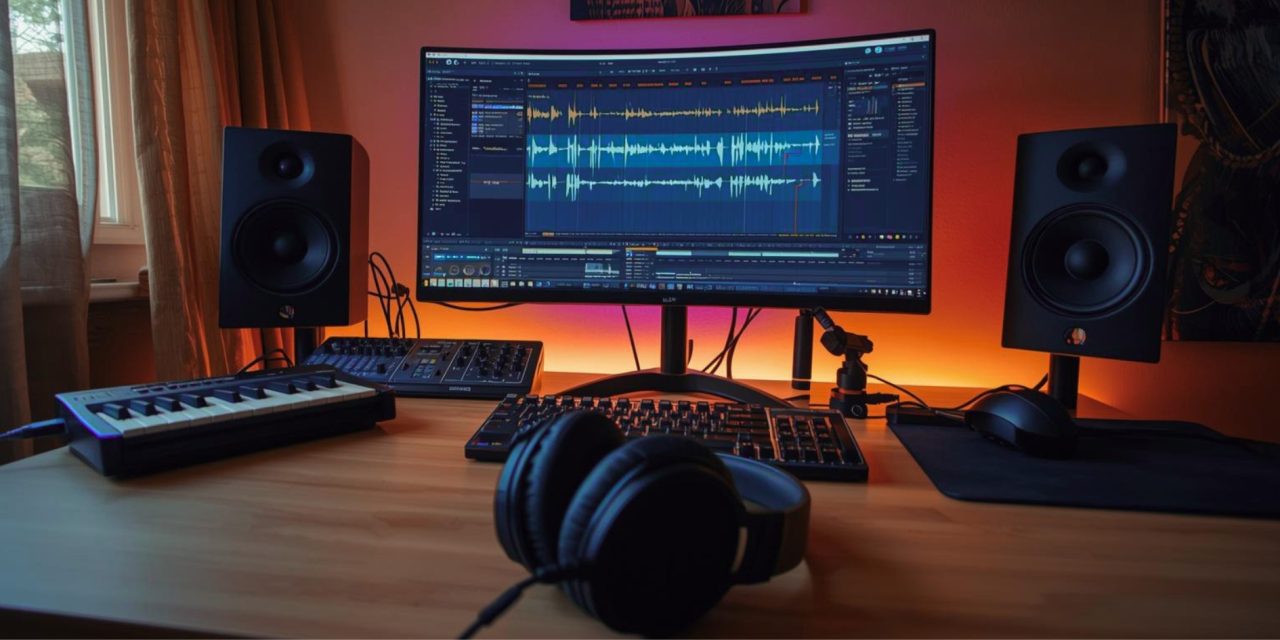
The difference now is context. More creators are producing for short-form platforms, remote collaborations, and mobile setups. That means your “studio” might be a desk today and a backpack tomorrow.
These compact systems shine because they remove friction. You plug in, open your DAW, and you’re creating within minutes. No complicated routing, no unnecessary extras.
For 2026 creators, that speed and flexibility often matter more than having the most expensive gear.
Conclusion
The biggest takeaway from NAMM trends isn’t what’s new—it’s what lasts.
AI tools are becoming assistants, not replacements. Hybrid gear is getting smarter and more focused. Compact setups are defining how modern producers actually work.
In 2026, the winning tools aren’t the loudest—they’re the ones that quietly fit into your process and help you create consistently.
Because at the end of the day, the goal isn’t to own impressive gear. It’s to make music that actually gets finished, shared, and heard.
What’s one piece of gear or tool that actually changed how you create—not just how your setup looks?
Let us know in the comments—and stay ahead of real music production trends only at DLK Music Pro News!