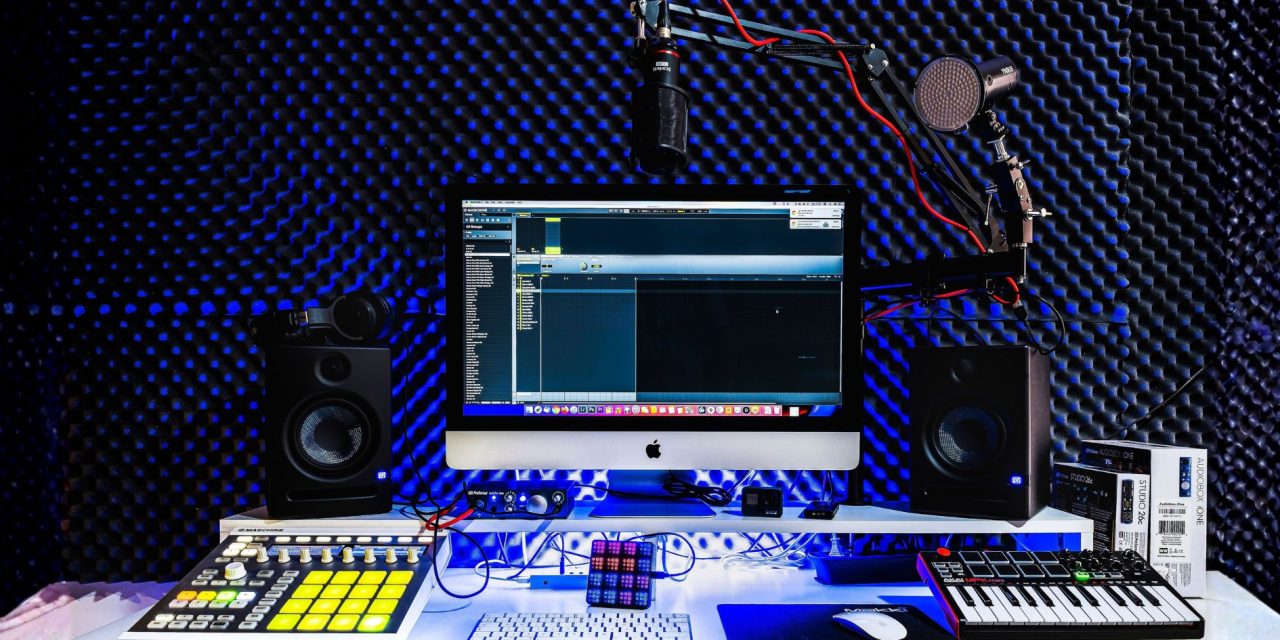
If you’ve ever thought, “This mix sounded incredible… until I played it in the car,” congratulations—you’ve joined one of music production’s least exclusive clubs.
The good news is that expensive plugins usually are not the problem. Building your monitoring arsenal is one of the smartest investments you can make because accurate speakers, headphones, and room measurement tools help your mixes translate consistently across every playback system. A well-balanced monitoring setup often delivers greater improvements than another flashy plugin bundle ever could.
Why Your Monitoring Setup Matters More Than Another Plugin
Many producers spend thousands chasing better sounds while overlooking the tools they actually use to judge those sounds.
Accurate monitoring forms the foundation of every great mix. According to industry listening tests, a complete monitoring setup under $2,000 can outperform plugin-heavy studios when it comes to translation accuracy. The reason is simple: reliable speakers and headphones allow you to make confident mixing decisions from the start.
A balanced monitoring arsenal typically includes:
- Nearfield studio monitors for primary mixing
- Open-back headphones for detailed critical listening
- Room measurement tools for calibration
- Reference tracks for A/B comparisons
Rather than relying on software correction alone, this combination provides a far more dependable picture of what your audience will actually hear.
Budget Studio Monitors That Deliver Outstanding Value
Excellent monitoring no longer requires a commercial studio budget. Several affordable monitors provide impressive performance for home and project studios.
| Model | Price | Frequency Range | Best For | Distortion | RTINGS Score | Setup Requirements |
| PreSonus Eris E5 | $150/pr | 53Hz–22kHz | Bedroom studios | Low midbass | 7.2 | Desk stands, isolation pads |
| KRK Rokit 5 | $300/pr | 43Hz–40kHz | Project studios | <0.1% THD | 7.5 | Speaker stands, 38% rule placement |
| ADAM T5V | $450/pr | 45Hz–25kHz | Semi-pro | Minimal highs | 8.1 | Monitor stands, rear port spacing |
| JBL 305P MkII | $300/pr | 49Hz–20kHz | Home setups | Balanced response | 7.8 | Image Control Waveguide, bass traps |
| Yamaha HS5 | $400/pr | 54Hz–30kHz | Accurate mixing | Low self-noise | 7.9 | Avoid room corners, apply EQ tweaks |
No matter which monitors you choose, proper placement matters just as much as the speakers themselves. Isolation pads, correct listening position, and thoughtful room layout can significantly improve stereo imaging and frequency balance.
Professional Headphones for Critical Listening
Even the best monitors benefit from a second opinion.
Open-back reference headphones provide detailed listening that helps uncover subtle mix issues, especially in untreated rooms or during late-night sessions.
| Tier | Model | Price | Driver Type | Frequency Range | Impedance | Key Strength |
| Budget | Focal Clear MG Pro | $200 | Dynamic | 5Hz–28kHz | 55Ω | Neutral mids |
| Mid | Sennheiser HD 660S2 | $600 | Dynamic | 8Hz–41.5kHz | 300Ω | Wide soundstage |
| Pro | Audeze LCD-X | $1,200 | Planar | 5Hz–50kHz | 20Ω | Extremely low distortion |
Matching headphone impedance with your audio interface ensures optimal performance. Open-back designs also make it easier to judge stereo imaging, ambience, and reverb tails without room reflections affecting your decisions.
Measurement Tools Complete the Arsenal
Your ears are invaluable, but they cannot measure your room.
Affordable calibration tools help reveal frequency peaks, standing waves, and acoustic problems that might otherwise go unnoticed.
Some of the most useful options include:
- MiniDSP UMIK-1 measurement microphone for room calibration.
- REW (Room EQ Wizard) for frequency analysis and waterfall plots.
- Reiss SP510 SPL Meter for accurate listening levels.
- AudioTools for real-time spectrum analysis and acoustic measurements.
Positioning the measurement microphone at your listening position allows you to identify room issues before they become mixing problems. Combined with bass traps and proper monitor placement, these tools often improve monitoring more effectively than additional EQ plugins.
Final Thoughts
Building your monitoring arsenal is one of the most valuable investments any producer can make.
Accurate speakers, reliable reference headphones, and basic room measurement tools create a monitoring environment that helps mixes translate confidently across headphones, cars, phones, and professional sound systems. While plugins continue evolving, trustworthy monitoring remains the foundation of every great mix.
Which upgrade would make the biggest difference in your studio today: better monitors, reference headphones, or room calibration?
Share your thoughts in the comments, and keep discovering professional studio gear, production techniques, and music technology insights with DLK Music Pro News.


