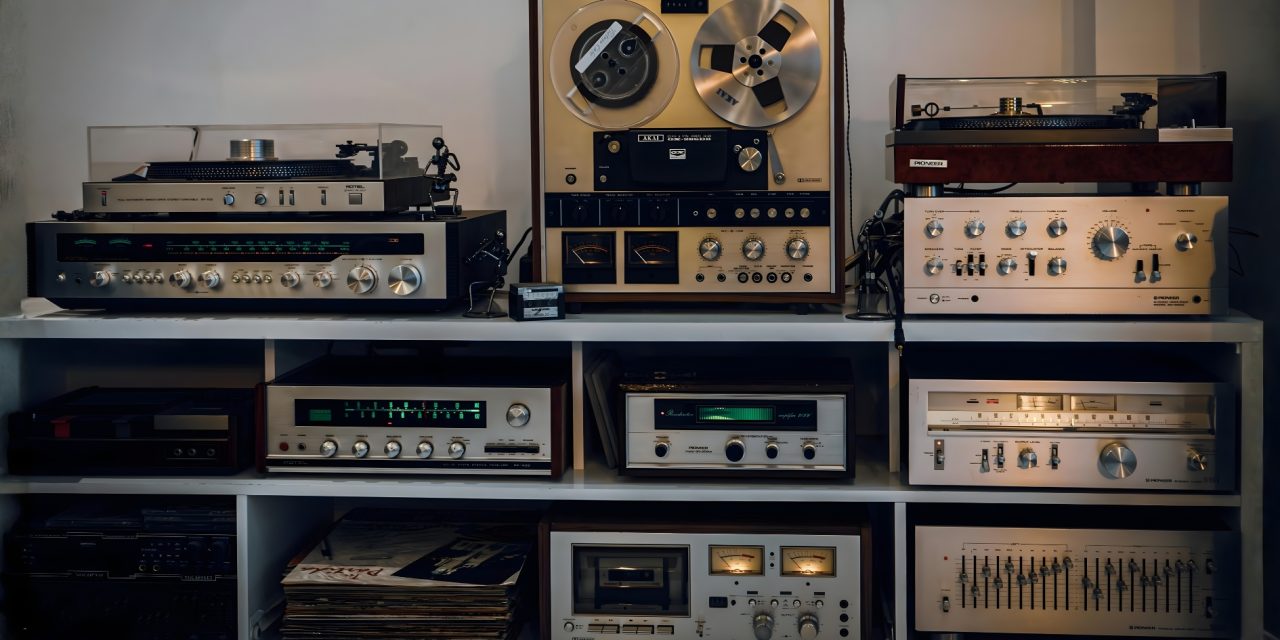
Long before pristine waveforms and infinite undo buttons, sound was shaped by physical limitations and that constraint became its magic. From the 1950s through the late 1980s, analog audio defined how music was captured, mixed, and emotionally experienced. This era produced recordings that still feel alive today, not because they were perfect, but because they weren’t.
Tape machines, tube consoles, and early synthesizers didn’t aim for clinical accuracy. They added compression, saturation, and harmonic color by design—or sometimes by accident. As digital tools rose in the late 1980s promising flawless reproduction, many engineers quietly realized something was missing. The modern analog revival traces directly back to this realization, rooted in decades when warmth, depth, and imperfection shaped iconic sound.
The Golden Era of Analog (1950s–1980s)
Analog’s dominance between 1950 and 1989 shaped nearly every major genre. In the 1950s, Ampex tape machines captured jazz records like Kind of Blue with natural saturation that added depth to horns and bass. Engineers learned to manipulate tape bias, finding sweet spots that enhanced tone rather than degrading it.
The 1960s saw the rise of large-format consoles. Neve desks at Abbey Road defined the sound of albums like Abbey Road and Pet Sounds, delivering Class A circuitry with rich midrange bloom. Rock records gained weight and presence not through plugins, but through transformers, tubes, and signal path coloration.
By the 1970s, analog synthesizers reshaped music entirely. Moog Modular systems powered records like Autobahn, while progressive rock embraced layered textures and evolving tones. Even as early digital tools like the Fairlight CMI appeared in the 1980s on albums such as Thriller, they were still grounded in analog workflows. This period cemented the sonic identity modern producers continue to chase.
Defining Characteristics of Vintage Warmth
Analog warmth is measurable, not mythical. Classic systems typically exhibit 0.5–2% total harmonic distortion, dominated by even-order harmonics that sound musically pleasing. Tape introduces gentle compression—often 1–3dB—while rolling off frequencies naturally around 18kHz, aligning closely with human hearing.
Unlike digital systems boasting 120dB dynamic range and near-zero distortion, analog gear operates closer to 92dB. That limitation creates headroom, movement, and subtle noise elements like tape hiss or vinyl crackle. Oscilloscope comparisons reveal soft waveform curves and natural decay, contrasted with digital’s sharp transients and brickwall limiting.
These traits explain why producers experiencing digital fatigue gravitate back toward tape saturation, tube amplifiers, and analog-modeled plugins. The sound feels dimensional, reactive, and human—qualities difficult to fake convincingly with sterile precision alone.
Iconic Gear That Set the Standard
Certain hardware didn’t just define eras, it became the reference point for everything that followed. These units shaped records, workflows, and expectations that still influence modern studio design.
| Gear | Year | Original Price | Signature Album | Modern Equivalent |
| Moog Minimoog | 1970 | $1,495 | Lucky Man | Befaco Pony VCO |
| Neve 1073 Preamp | 1970 | £342 | Led Zeppelin IV | Warm Audio WA73 |
| Urei 1176 Compressor | 1967 | $845 | Motown hits | Universal Audio 1176 |
| Ampex 350 Tape | 1958 | $5,000 | Kind of Blue | Tascam ATR-102 |
| Neve 8078 Console | 1969 | $100K+ | Abbey Road | SSL BiG SiX |
| Fairlight CMI | 1982 | $25K | Thriller | Expressive E Osmose |
Resale values for original units continue to climb, with Minimoogs fetching upwards of $45,000. Boutique builders and modern manufacturers respond by recreating these circuits in accessible forms, blending legacy tone with contemporary reliability. The result is a living lineage, not a museum piece.
Conclusion
The analog resurgence isn’t about rejecting digital, it’s about restoring balance. Understanding where vintage warmth comes from explains why modern producers choose tools that add character, depth, and motion instead of chasing perfection alone.
In 2026, new hardware and hybrid systems continue refining these classic principles. By understanding the roots of analog sound, engineers select gear with intention—building studios that sound timeless rather than trend-bound.
If the records you trust most still carry analog character, what guides your gear decisions today? DLK Music Pro News unpacks the engineering choices and tools behind sounds that last.