At this point, half of modern producers are mixing next to a bed, a backpack, and at least one neighbor who definitely did not approve of the kick drum levels at 1am.
Small-space production has become normal, but room acoustics still create massive problems for accurate mixing. Reflections, standing waves, untreated corners, and awkward speaker placement can completely distort low-end balance and stereo imaging. That is exactly why high-quality headphones are becoming one of the biggest revolutions in modern home studios.
Today’s reference headphones deliver incredibly low distortion, detailed stereo separation, and frequency responses accurate enough to compete with serious monitor setups, all without requiring acoustic panels covering every wall like a sci-fi recording bunker.
Headphones Solve Problems Small Rooms Cannot
One of the biggest advantages of headphone mixing is consistency.
Studio monitors depend heavily on room acoustics. In untreated bedrooms or compact apartments, bass frequencies bounce unpredictably, reverb becomes misleading, and stereo imaging gets warped by reflections. Headphones remove most of those environmental problems immediately by delivering sound directly to the ears.
This makes them especially useful for producers working in apartments, shared spaces, dorm rooms, or compact home studios where proper acoustic treatment simply is not realistic.
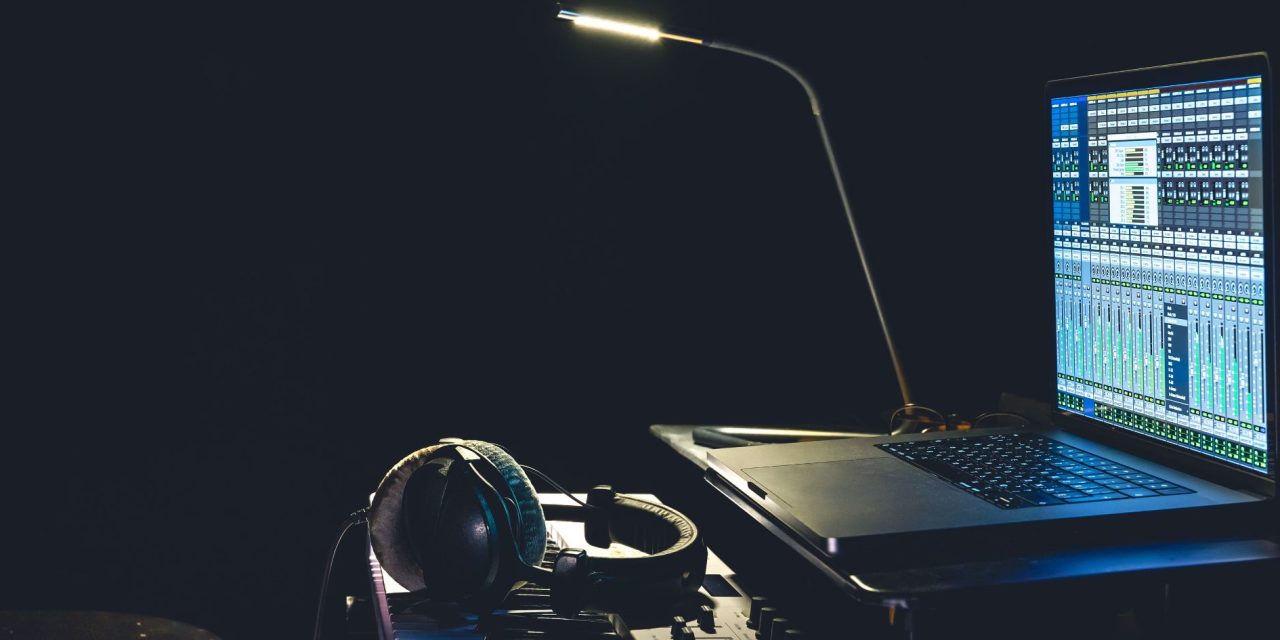
Modern reference headphones also make laptop-based workflows far easier. Instead of building entire rooms around speaker positioning, engineers can create detailed mixes from compact desk setups using only a reliable interface, headphones, and correction software.
And honestly, there is something deeply comforting about hearing clean low-end for the first time without your room randomly adding imaginary bass frequencies like an uninvited collaborator.
Open-Back and Closed-Back Headphones Serve Different Mixing Needs
Choosing between open-back and closed-back headphones depends heavily on the environment.
Open-back headphones like the Sennheiser HD600 are popular for mixing because they create wider stereo imaging and more natural soundstaging. They work well in quiet rooms where outside noise is minimal and sound leakage is not an issue.
Closed-back models like the Beyerdynamic DT770 Pro focus more on isolation, making them better for apartments, vocal recording, or late-night production sessions around other people. They prevent audio leakage while blocking external distractions during editing or tracking.
Many producers eventually use both. Open-back headphones help with critical mix decisions, while closed-back models handle recording, travel setups, and noisier environments more effectively.
Low-Distortion Headphones Are Raising Mixing Standards
Recent headphone technology improvements have dramatically narrowed the gap between headphones and professional monitor systems.
Newer models now offer extremely low total harmonic distortion, deeper frequency accuracy, and far more detailed transient response than older consumer headphones ever could. This matters heavily for mixing decisions involving EQ, compression, reverbs, and low-end control.
Reference models like the Austrian Audio Hi-X65, Sennheiser HD660S, and AKG K702 give engineers detailed monitoring without requiring massive studio investments.
Paired with calibration platforms like Sonarworks SoundID Reference, headphone mixing becomes even more accurate by compensating for natural frequency imbalances across different models.
For producers working in difficult rooms, that level of precision can completely change how mixes translate to speakers, cars, clubs, and streaming platforms.
Compact DAC and Amp Setups Make Small Studios More Powerful
Small studios benefit heavily from compact headphone amp and DAC combinations.
Modern setups like the Schiit Modi/Magni Stack or iFi Zen DAC V2 provide cleaner amplification, lower noise floors, and better headphone control without dominating limited desk space.
These compact systems improve clarity and headroom, especially when driving higher-impedance reference headphones. For producers running minimal setups with laptops and compact interfaces, they create surprisingly professional monitoring chains inside extremely small environments.
Cable management also becomes far easier compared to larger studio monitor setups involving speaker stands, room positioning, and acoustic treatment planning.
Conclusion
Headphones are no longer just secondary tools for checking mixes quietly. For many producers working in compact studios, they are becoming the primary solution for accurate, reliable monitoring.
With modern advances in low-distortion drivers, stereo imaging, calibration software, and compact headphone amplification, producers can now mix professionally in spaces that traditional studio monitors would struggle to handle properly.
More importantly, headphone-based workflows make music production more accessible for creators building studios in bedrooms, apartments, and small creative spaces where flexibility matters just as much as sound quality.
What matters more in your setup right now: open-back accuracy or closed-back isolation? More small-studio workflow ideas, mixing setups, and realistic production solutions live over at DLK Music Pro News!