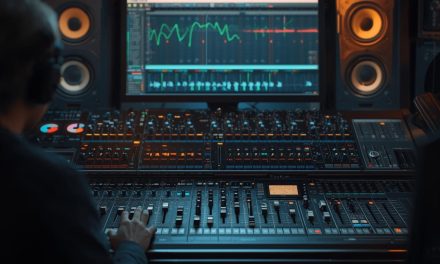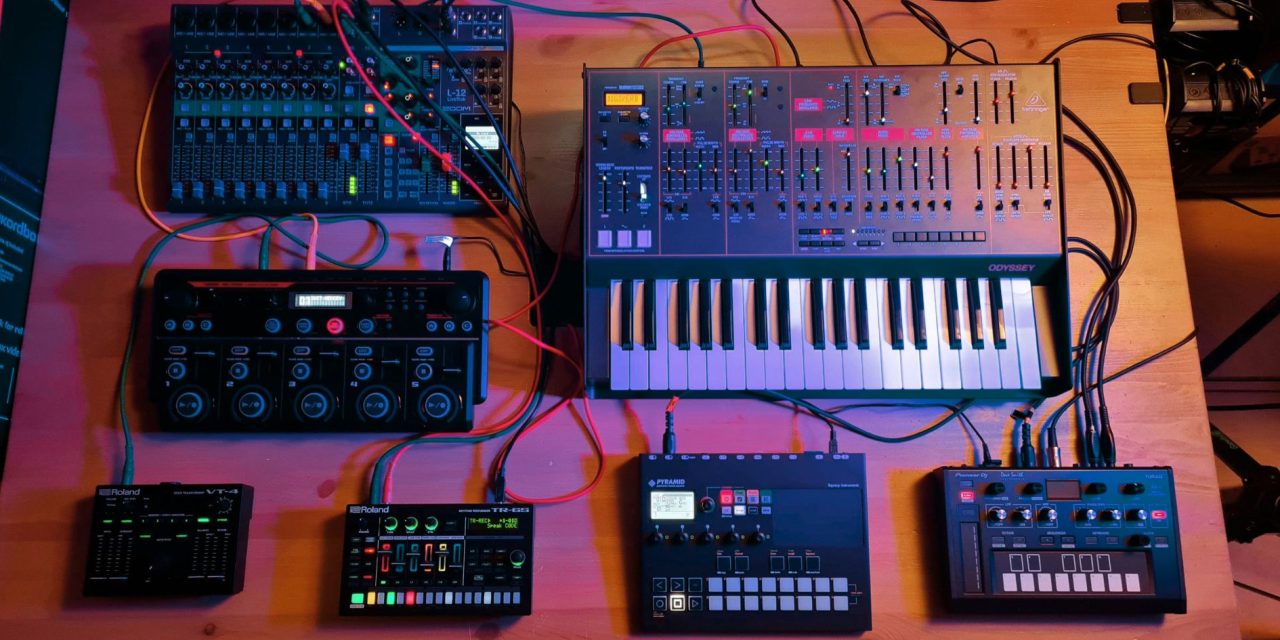
For years, synth shopping was simple. You picked between analog warmth, digital flexibility, or whatever your wallet could survive. Now a new contender has entered the studio: artificial intelligence.
The next generation of AI-powered synths and controllers promises to combine machine learning with hands-on creativity, and early previews suggest producers may need to start planning their 2026 gear budgets sooner rather than later.
Prototypes showcased at Superbooth 2025 point toward a future where hardware can generate patterns, predict performances, and assist with sound design while still delivering the tactile experience musicians love. The catch? Many of these upcoming releases are expected to carry a 15-25% premium for their AI-enhanced features.
The Rise of AI-Powered Hardware
The biggest trend shaping upcoming hardware synths is the fusion of intelligent sequencing with traditional synthesis. Manufacturers are exploring ways to integrate machine learning into performance workflows without sacrificing creative control.
Many of these devices are expected to offer features such as generative pattern creation, neural wavetable synthesis, probability-based sequencing, and deeper hardware-software integration. USB-C connectivity, Ableton Link support, and seamless DAW communication are becoming standard expectations rather than premium extras.
For producers planning future upgrades, budgeting now may provide greater flexibility when these products begin appearing at major events such as NAMM 2026 and future Superbooth showcases.
Next-Generation Modular Synthesizers
The modular world appears ready to embrace AI in a big way.
One of the most talked-about upcoming releases is Intellijel’s Quadrant, an eight-channel AI Euclidean sequencer expected to retail for around $899. Designed for generative composition and probability-based triggering, it opens new possibilities for evolving rhythms and ambient soundscapes.
Other anticipated modules include:
- Make Noise 0-Coast 2 ($699), featuring generative FM synthesis.
- A successor to Mutable Instruments Plaits ($549), offering 24 synthesis models, including granular processing.
- 4ms Spherical Wavetable ($799), incorporating neural wavetable morphing.
- Expert Sleepers Disting EX+ ($325), providing more than 300 utility and synthesis algorithms.
These modules allow producers to build increasingly sophisticated patches. For example, Euclidean triggers generated by Quadrant could feed evolving wavetable textures from 4ms before moving into FM drones through the 0-Coast 2.
As modular systems grow more powerful, producers should remember to budget for essentials such as cases, power supplies, and MIDI-to-CV integration.
AI-Powered Performance Controllers
Performance controllers are also receiving significant AI upgrades.
The anticipated Akai Force 2 is expected to launch at approximately $1,299 and includes machine-learning pattern prediction alongside low-latency performance features and Ableton Link integration. For live performers and electronic producers, this could significantly streamline workflow during real-time sessions.
Several other controllers generating excitement include:
- Native Instruments Maschine MK4 ($899) with neural stem remix capabilities.
- Rogue MX Module ($599) featuring AI groove generation tools.
- Expressive E Osmose Gen2 ($1,899) combining expressive performance control with machine-learning polyphony.
These controllers aim to reduce repetitive programming while helping producers generate ideas faster. Beatmakers, in particular, may benefit from systems that can analyze loops and suggest complementary rhythmic patterns.
Hybrid Workstations Get Smarter
Hybrid workstations continue to evolve as manufacturers blend analog engines with advanced digital processing.
The Roland Fantom EX is expected to arrive with four analog engines, neural effects processing, and 512-note polyphony powered by Zen-Core 3.0. Early estimates place the price around $3,499.
Other notable contenders include:
| Workstation | Voices | Price | Sequencer |
| Roland Fantom EX | 512-note polyphony | $3,499 | Neural pattern prediction |
| Yamaha Montage M3 | 400-note polyphony | $2,999 | Euclidean and probability sequencing |
| Sequential Take 5+ | 32-voice hybrid | $1,999 | Generative step sequencing |
Each workstation targets a different production style. The Fantom EX leans toward large-scale production environments, while the Montage M3 focuses on flexible sequencing and orchestral integration. Meanwhile, the Sequential Take 5+ offers a more affordable path into hybrid generative workflows.
Final Thoughts
The next wave of hardware appears determined to make AI a practical studio tool rather than a marketing buzzword. From intelligent modular sequencers to predictive performance controllers and hybrid workstations, manufacturers are finding ways to combine machine learning with hands-on creativity.
While many of these products remain in prototype stages, producers who begin planning now may be better positioned when pre-orders and limited releases arrive. As AI-powered synths and controllers become more common, the challenge may no longer be deciding whether to adopt the technology, but choosing which version fits your workflow best.
Which upcoming AI-powered synth or controller would earn a spot in your dream studio setup?
Keep following DLK Music Pro News to see which next-generation hardware actually delivers on the hype when these futuristic tools finally hit the market.