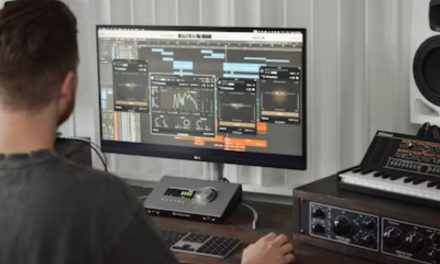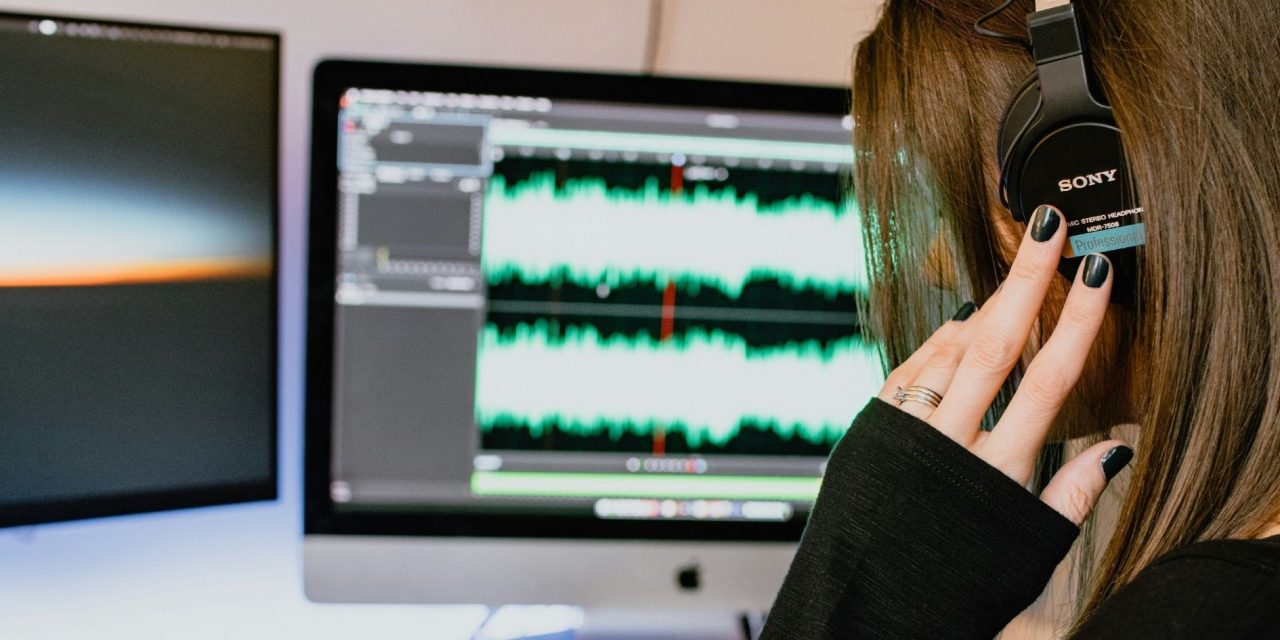
For years, music producers accepted one strange studio tradition: the more serious the session became, the hotter and louder the computer had to sound. If your processor was not fighting for survival halfway through a mix, something felt suspicious.
That mindset is changing quickly in 2026. Sustainable DAW computing is now becoming a serious part of modern music production, especially as producers demand quieter systems, lower power draw, longer hardware life, and smoother session stability. The conversation is no longer just about raw speed. It is about how efficiently that speed is delivered.
ARM-based processors, fanless audio systems, and modular DAW platforms are leading that shift. Producers working in complex sessions now want systems that can handle heavy plugin chains and high track counts without turning the studio into a space heater. And surprisingly, many of these low-power setups are outperforming older high-wattage rigs in real-world workflows.
ARM Processors and Fanless Systems Are Redefining Modern DAWs
One of the strongest sustainability trends in 2026 revolves around ARM-based processors and low-power studio computing. Systems built around chips like the Apple M4 Ultra are proving that efficient design no longer means sacrificing serious production power.
Modern ARM systems can now handle large 96kHz/24bit sessions with significantly lower energy draw compared to traditional workstation setups. Producers working inside Pro Tools, Logic Pro, and other DAWs are seeing smoother thermal performance, quieter operation, and better long-session stability.
| Processor | Track Capacity | Power Draw | Workflow Focus |
| M4 Ultra | 42 tracks @ 96kHz | 285W | Large Pro Tools sessions |
| Ryzen AI 370 | 28 tracks @ 96kHz | 189W | Efficient plugin-heavy mixes |
The efficiency gains come largely from advanced ARM architecture and smaller fabrication processes like 3nm designs. These systems require less cooling while maintaining strong real-time performance. For producers, that translates into quieter studios and fewer thermal slowdowns during dense mixes.
Fanless audio gear also became a major talking point this year. Interfaces like the RME Babyface FS demonstrated how passive cooling and graphene heat pipe systems can eliminate distracting fan noise completely.
| Cooling Design | Max Ambient Temp | Noise Level | Sustainability Benefit |
| Passive Air Cooling | 45°C | 0dB | Lower maintenance |
| Graphene Heat Pipes | 50°C | 0dB | Better heat efficiency |
| Phase Change Cooling | 55°C | 0dB | Reduced thermal strain |
Quiet studios are not just about comfort. They improve monitoring accuracy, reduce fatigue during long sessions, and remove unnecessary background noise from recording spaces. Sustainability here becomes part of the creative experience itself.
And honestly, hearing your reverb tail instead of your cooling fan feels like progress humanity earned.
Modular Hardware Is Extending the Life of Music Production Gear
Another major shift in sustainable music production is longevity. Instead of replacing entire systems every few years, producers are moving toward modular hardware designs that allow upgrades over time.
Platforms like the Raspberry Pi 5 Compute Module opened conversations around repairable and expandable DAW systems. Modular motherboards with swappable DDR5 memory and upgradeable PCIe storage reduce electronic waste while giving producers flexible long-term workflows.
Rather than discarding an entire setup, creators can now:
- Upgrade DDR5 memory for larger sessions
- Swap PCIe storage for faster sample libraries
- Reuse studio cases and power systems
- Replace individual components instead of whole machines
That shift matters because modern studios generate significant electronic waste through short upgrade cycles. Sustainable hardware design extends the life of production systems while lowering annual replacement costs.
Cloud-assisted workflows are also helping reduce local compute strain. Producers increasingly use hybrid setups where heavy rendering or collaboration tasks move to cloud systems, reducing the need for oversized local machines running at full power constantly.
At the same time, renewable energy conversations are entering studio culture more naturally. Portable solar charging systems, energy-efficient displays, and lower-wattage production rigs are becoming realistic options for mobile creators and smaller studios.
The interesting part is that sustainability no longer feels like compromise. Many producers now report cooler systems, quieter sessions, and more reliable workflows after switching to efficient studio setups. The gear lasts longer, the room feels calmer, and the sessions stay focused.
That is not just environmentally smarter. It is creatively smarter too.
Conclusion
Sustainable music production in 2026 is moving far beyond trends and marketing language. ARM processors, fanless systems, modular hardware, and efficient studio workflows are changing how producers build and maintain their creative spaces.
The appeal is not only environmental responsibility. It is practicality. Lower heat, lower noise, longer hardware life, and smoother sessions all contribute to better creative work over time.
The future of studio computing is not simply more powerful. It is more intentional.
Have you ever had a beautiful idea arrive at 2am, only for your setup to feel like it was fighting you every step of the way?Stay with DLK Music Pro News for more producer-focused conversations about quieter DAWs, smarter processors, and workflows that let inspiration breathe.