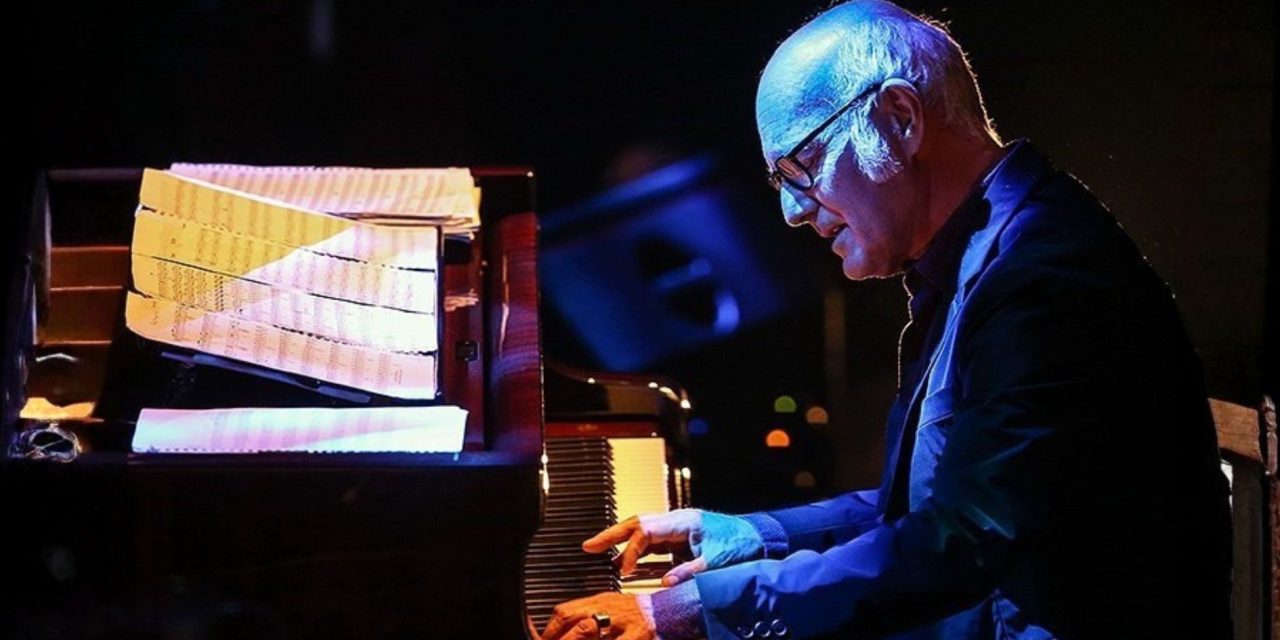
Ludovico Einaudi is set to receive the Fellowship of The Ivors Academy, the organization’s highest honor. Announced on November 2, 2026, the recognition will be presented at the Ivors Composer Awards in London on November 17. The following day, he is scheduled to speak at the Academy’s Composer Summit at the Royal Institution.
For music creators, the announcement offers an opportunity to consider composition as a continuing creative practice across different settings. An artist’s own recordings, work for the screen, and collaborations with other disciplines each bring different demands. They also raise important questions about developing an artistic identity while responding to specific creative briefs.
What the Fellowship Recognizes
The Academy describes Fellowship as recognition of excellence and impact in music creation. Its official announcement highlights Einaudi’s work across recordings, film, television, theater, and dance. It also identifies classical training, minimalism, folk, electronic music, and improvisation among his influences.
Music Week’s November 2 report confirms the Fellowship and both scheduled appearances. The distinction is an announced forthcoming honor, with the formal presentation still ahead.
The recognition places composition across different creative disciplines in focus. It also provides an opportunity to consider what sustained creative development involves beyond producing individual pieces. How does a composer maintain an identifiable artistic voice while working with different formats, collaborators, and creative requirements?
Artistic Identity and the Demands of a Brief
A composer’s catalog can travel across different media, but each setting asks different questions. A personal recording can establish its own pacing, structure, and emotional direction. Music written or selected for a scene must also coexist with dialogue, editing, movement, and the director’s intentions.
That difference matters when building a portfolio. A piece that works as a standalone release does not automatically demonstrate every skill required for a screen commission. Equally, a short cue can demonstrate precise creative judgment without behaving like a complete concert work.
The distinction also affects how composers present their experience. Credits should make their individual contributions clear, including whether music was newly commissioned or an existing recording was licensed. These details help clients and collaborators understand the nature of a composer’s previous work.
The Academy’s account of Einaudi’s broad output provides context for this discussion. However, it does not establish a single production method or explain the creative process behind every score associated with his name. Different projects bring different demands, and composers must understand the brief before deciding how their music should respond.
A Practical Exercise for Developing Composers
Choose an original musical idea and write two separate briefs for it. In the first, let the composition lead. Decide how long its opening needs, where its central idea changes, and how it ends.
For the second brief, imagine a specific screen scene with a fixed duration and moments that need space. Consider where music should enter, when it should develop, and whether certain moments require restraint.
Compare the creative decisions rather than simply making one version shorter. Does the scene require fewer competing elements? Does a transition need to arrive earlier? Can the central idea remain recognizable after the arrangement changes?
The exercise highlights an important distinction between composing independently and composing in response to a brief. Neither approach automatically demands less creativity. Each requires different decisions about structure, timing, development, and the role music plays within a larger work.
These are general composition exercises, not claims about Einaudi’s personal working process. The aim is to help developing composers think more deliberately about how musical ideas adapt to different creative settings.
Dates to Follow
The November 17 ceremony and November 18 summit are separate events. The forthcoming summit may offer further insight into Einaudi’s perspectives on composition and creative practice. However, specific remarks or demonstrations should not be assumed in advance.
Creators can consult The Ivors Academy’s Fellowship information for more details about the honor. The official announcement also provides the current details of the planned recognition and appearances.
What can composers learn from working across different musical settings while maintaining their creative identity? Exploring that balance is part of developing a lasting composition practice. Follow more stories on music creation, industry recognition, and the people shaping the creative process on DLK Music Pro News.