Gain staging used to be a slow dance of meters, faders, and crossed fingers. Engineers watched levels closely, hoping plugins behaved the same way every time. That reality has changed fast. In 2026, smart tools actively manage gain before problems appear.
This article breaks down how intelligent gain staging works, why it matters, and how automation reshapes modern mixing workflows.
How Smart Tools Automate Gain Staging
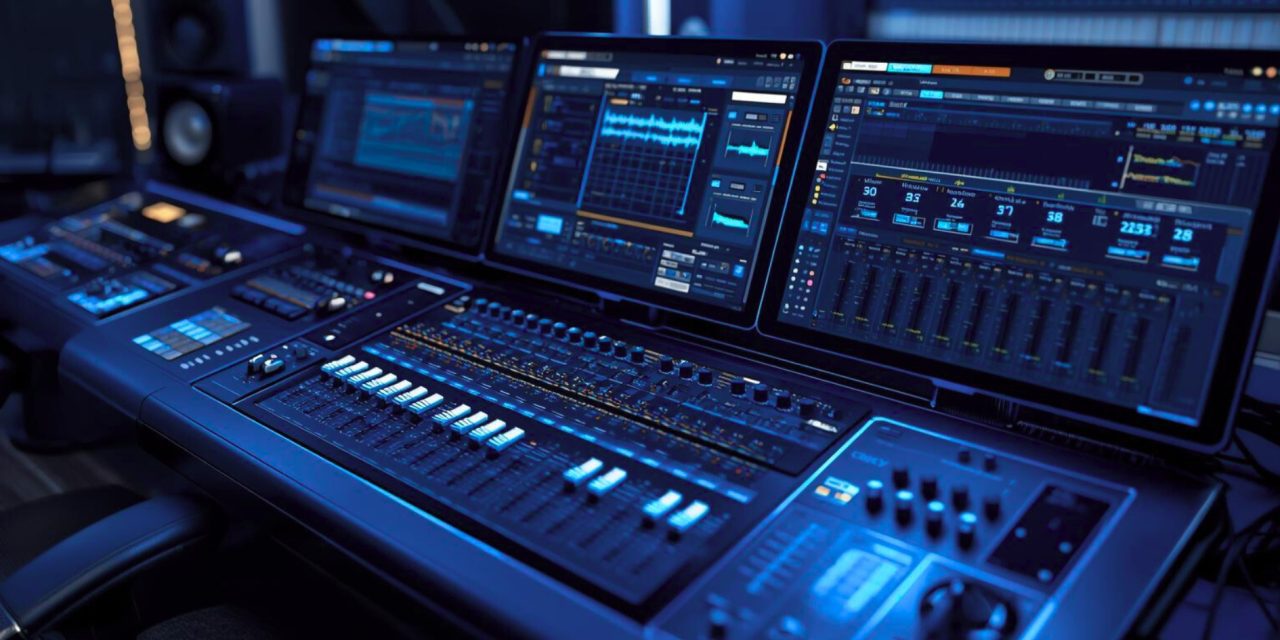
Modern gain staging tools analyze up to 384 spectral bands simultaneously. They monitor the full signal chain, from input gain through plugin chains to the mix bus. Problems are predicted before distortion or level jumps occur.
Continuous analysis keeps track levels consistent across sessions. Automation adjusts gain in real time, while prediction algorithms forecast plugin gain changes and fader moves. This reduces manual correction during long mixes.
These tools integrate smoothly with DAWs like Pro Tools, Logic Pro, and Ableton Live. Producers achieve mix consistency faster, preparing sessions for mastering and streaming platforms. Vocal riders and mix bus tools also link with LUFS meters to preserve headroom accurately.
Real-Time Peak and RMS Analysis
Real-time analysis prevents digital distortion before it becomes audible. FabFilter Pro-L 2 analyzes samples across frequency bands using true peak detection. It catches inter-sample peaks that traditional meters often miss.
RMS fast and slow averaging provide stable level references. Short-term and momentary LUFS metering aligns with EBU R128 standards for broadcast and streaming audio. This ensures compliance across platforms.
Before implementation, waveforms often show sharp peaks causing distortion. After, smoother curves maintain headroom while preserving dynamics. Engineers rely on this for reliable mix translation on Spotify and YouTube.
Placing these tools early in the plugin chain improves gain staging accuracy. Consistent peak control leads to cleaner mixes and predictable results.
Automatic Headroom Optimization
Automatic headroom optimization removes guesswork from gain structure. Intelligent algorithms maintain 6–9 dB of headroom by predicting plugin and fader behavior. This process begins with input optimization around –18 dBFS.
The system follows three stages. First, it optimizes input gain for unity staging. Second, it compensates for EQ and compression boosts. Third, it preserves mixed bus headroom for mastering.
Gain staging templates visualize pre-fader and post-fader levels clearly. This supports consistent mixing in home studios and professional environments. For stem mixing or live sound, automatic adjustment saves time.
Producers using FL Studio or Reaper benefit from fewer volume automation moves. Better headroom control also improves mastering preparation and overall mix stability.
Dynamic Range Prediction
Dynamic range prediction adds intelligence beyond reactive processing. AI models analyze attack and release envelopes across multiple frequency bands. Compression needs are anticipated before gain reduction occurs.
These systems reference ITU BS.1770 standards for accurate loudness and dynamic range measurement. Older DR meters fluctuated unpredictably. Smart tools stabilize readings for balanced mixes.
In practice, drums retain punch while vocals remain controlled. Engineers apply this to buses and subgroups for faster workflows in film audio and game sound design.
Gain riders apply sidechain predictions seamlessly. This leads to faster sessions, cleaner loudness normalization, and professional results in any DAW.
Conclusion
Smart gain staging tools redefine how engineers manage levels in modern production. Continuous analysis, prediction, and automation reduce technical distractions. Mixes become cleaner, faster, and more consistent across platforms. In 2026, gain staging is no longer reactive. It is intelligent, adaptive, and deeply integrated into professional workflows.
Have smart gain staging tools changed how confidently you manage levels in your mixes? Let us know in the comments and stay ahead of mixing technology, automation, and production workflows only at DLK Music Pro News!