DLK Music Pro analysis of the October 21, 2026, catalog-rights announcement.
Reservoir Media announced on October 21, 2026, that it had reached a deal to acquire rights to José Feliciano’s recorded-music catalog. The agreement also includes non-exclusive rights to his name, image, and likeness, commonly known as NIL rights.
The announcement matters beyond the addition of a celebrated artist’s recordings to Reservoir’s portfolio. Its wording offers a useful case study in how music-rights deals should be read. The company has described the categories of rights involved, but it has not disclosed the financial terms or identified every recording covered. Understanding that distinction is essential before drawing conclusions about ownership, licensing, or future commercial plans.
What Reservoir Has Actually Announced
Reservoir’s official announcement uses a specific formulation: a deal to acquire “rights to the recorded music catalog” of José Feliciano. It separately confirms that the agreement includes non-exclusive rights to his name, image, and likeness.
Those phrases establish the reported scope at a broad level. They do not, by themselves, establish that Reservoir has acquired every master recording associated with Feliciano, taken full ownership of every recording, or obtained every right connected with his songs.
The distinction is important because catalog announcements often compress complicated agreements into a few lines. As Music Business Worldwide reported, the announcement did not specify which recordings are included. Reservoir also did not disclose the financial terms.
For producers, managers, independent artists, and rights administrators, the first lesson is straightforward: report the rights described in the announcement, not a broader transaction that the public information does not establish.
Recorded-Music Rights Are Not Publishing Rights
A song can involve several distinct rights. Understanding their differences helps explain why the word “catalog” needs context.
Recorded-music rights concern sound recordings, often called masters. These are the particular recorded performances released or distributed to listeners.
Publishing rights concern the underlying musical compositions, including the music and lyrics. Depending on the agreement, those rights may be owned or administered separately from the masters.
A single song can therefore involve different rights holders for its recording and composition. A company may acquire or administer certain recording rights without acquiring the associated publishing rights.
In Feliciano’s case, Reservoir’s announcement specifically describes rights to his recorded-music catalog. It does not announce an acquisition of his publishing catalog. That does not prove who owns every composition or master involved; it simply marks the boundary of what the announcement confirms.
The practical questions remain unanswered. Which recordings are covered? What specific rights or interests are being transferred? Are there territorial or usage restrictions? Who will administer particular licensing requests? The public announcement does not supply enough detail to resolve those questions.
For anyone preparing a deal announcement, press release, or rights summary, this is more than a technical distinction. Using “publishing catalog” when the confirmed wording concerns recorded music can materially misrepresent the transaction.
What the Non-Exclusive NIL Rights Add
The agreement also includes non-exclusive rights to Feliciano’s name, image, and likeness. This introduces a separate dimension to the announcement: rights associated with the artist’s identity, rather than recordings alone.
NIL rights can be relevant to commercial uses of an artist’s identity, including approved marketing, merchandise, and audiovisual projects. The actual scope depends on the agreement and applicable permissions. The announcement does not provide a detailed list of permitted uses or disclose its approval procedures, duration, or territorial reach.
The word “non-exclusive” deserves particular attention. It means the rights described are not exclusive to Reservoir. It does not, by itself, reveal every party that may hold similar permissions, the exact uses authorized, or the limits of Reservoir’s contractual rights.
Nor does the NIL component establish that Reservoir has announced a campaign, documentary, merchandise line, or other project involving Feliciano’s identity. Such initiatives may be possible under some agreements, but they should not be presented as plans for this deal without further confirmation.
For music professionals, the useful takeaway is that recorded-music rights and identity rights are separate categories, even when they form part of the same commercial arrangement. Each requires its own scope review and careful documentation.
Why José Feliciano’s Catalog Matters Beyond “Feliz Navidad”
Feliciano’s catalog provides context for the announcement without changing what its terms establish.
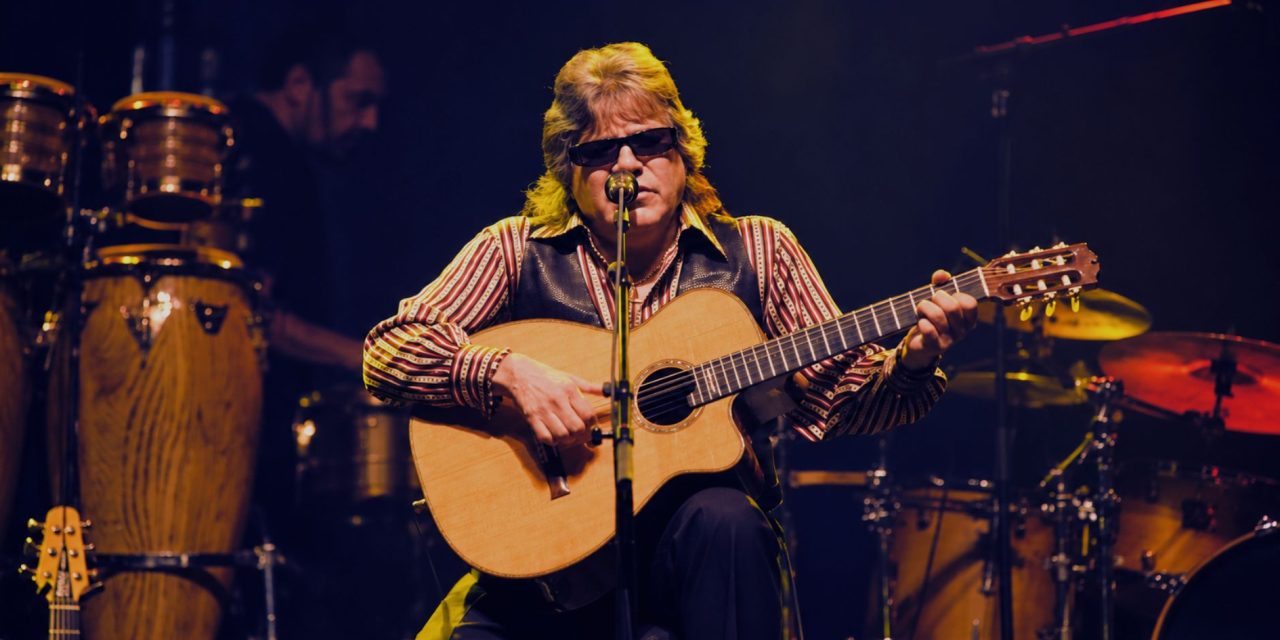
Reservoir highlights his recording of The Doors’ “Light My Fire,” his original “Feliz Navidad,” and a broader body of bilingual recordings. The company also notes that Feliciano has released more than 60 albums over a career spanning more than six decades.
“Feliz Navidad” is especially visible ahead of the holiday season, but treating the transaction as a deal centered only on that song would understate the breadth of Feliciano’s recorded work. His career includes recordings across pop, Latin, soul, jazz, and guitar-led performance.
Reservoir’s announcement also places the deal within the company’s stated effort to expand its Latin-music portfolio. That is useful strategic context, although it does not disclose how Reservoir intends to develop or market Feliciano’s recordings.
For catalog teams, the artist’s breadth suggests several areas worth evaluating: how different recordings might reach new audiences, how historical context should inform promotion, and how seasonal attention can coexist with the rest of an artist’s body of work.
These are considerations for future stewardship, not confirmed initiatives under the agreement. The announcement does not establish a release schedule, licensing campaign, reissue plan, or new audiovisual project.
Four Lessons for Artists, Producers, and Managers
The Feliciano deal offers a practical example of how to approach catalog transactions without overreading the headline.
1. Identify the asset precisely. Masters, compositions, publishing interests, neighboring rights, trademarks, and NIL permissions are not interchangeable. Establish which rights are involved before describing a deal or assessing its value.
2. Preserve the qualifying language. Phrases such as “rights to,” “recorded-music catalog,” and “non-exclusive” define important boundaries. Removing them from a headline or summary can make an agreement sound broader than the available evidence supports.
3. Keep rights documentation organized. Ownership records, contracts, recording credits, session information, identifiers, and royalty statements help parties determine which assets are covered and who can authorize particular uses. Clean documentation also makes future administration and due diligence more manageable.
4. Evaluate a rights partner beyond the transaction value. The purchase price is only one part of a potential catalog relationship, and Feliciano’s deal price remains undisclosed. Depending on the agreement, other relevant considerations may include licensing administration, reporting, creative collaboration, approval procedures, and long-term stewardship. No public information currently establishes how those terms were negotiated in this case.
These principles apply well beyond established catalogs. Independent artists can benefit from knowing which rights they control, which they have licensed, and how their identity may be used commercially.
What the Announcement Leaves Open
The public materials leave several material details unresolved:
- Financial terms: Reservoir has not disclosed the deal value.
- Recording scope: The announcement does not list every recording covered.
- Ownership structure: The public statement does not specify the precise interests or percentages involved.
- Publishing rights: No acquisition of Feliciano’s publishing catalog is announced.
- NIL scope: The detailed permissions, approval processes, term, and territories are not set out in the announcement.
- Future projects: No specific reissue, documentary, remix, merchandise, or new-release campaign is announced as part of the deal.
These gaps should remain gaps until the parties provide more information. They are not evidence of hidden terms or proof that particular projects are planned.
A follow-up report should revisit the original wording if Reservoir or Feliciano releases further details. The useful question will be what the new information clarifies about the rights, not how far the story can be stretched beyond the confirmed facts.
The DLK Music Pro Takeaway
Reservoir’s José Feliciano deal is a useful case study in catalog-rights literacy because it combines rights to recorded music with non-exclusive NIL rights. It also shows how much can remain unknown after a company publicly announces a transaction.
For music professionals, the central lesson is to distinguish the asset from the artist’s broader intellectual property, preserve the qualifiers in the deal language, and verify the scope before making claims about ownership or future uses.
Reservoir has announced a deal involving Feliciano’s recorded-music catalog and non-exclusive rights to his identity. The financial terms and detailed scope remain undisclosed. That is the defensible conclusion—and the right starting point for any further analysis.
If you were negotiating a catalog deal, how would you make sure the agreement protects both your music and your identity?
Read more about the deals, rights, and business decisions shaping artists’ careers on DLK Music Pro News.
Sources
- Reservoir Media — “Reservoir Acquires Rights to ‘Feliz Navidad’ Songwriter-Performer José Feliciano’s Catalog” (October 21, 2026)
- Music Business Worldwide — “Reservoir acquires rights to ‘Feliz Navidad’ star José Feliciano’s recorded music catalog” (October 21, 2026)
- Digital Music News — “Reservoir Invests in ‘Feliz Navidad’ Singer-Songwriter José Feliciano’s Recorded Catalog” (October 21, 2026)