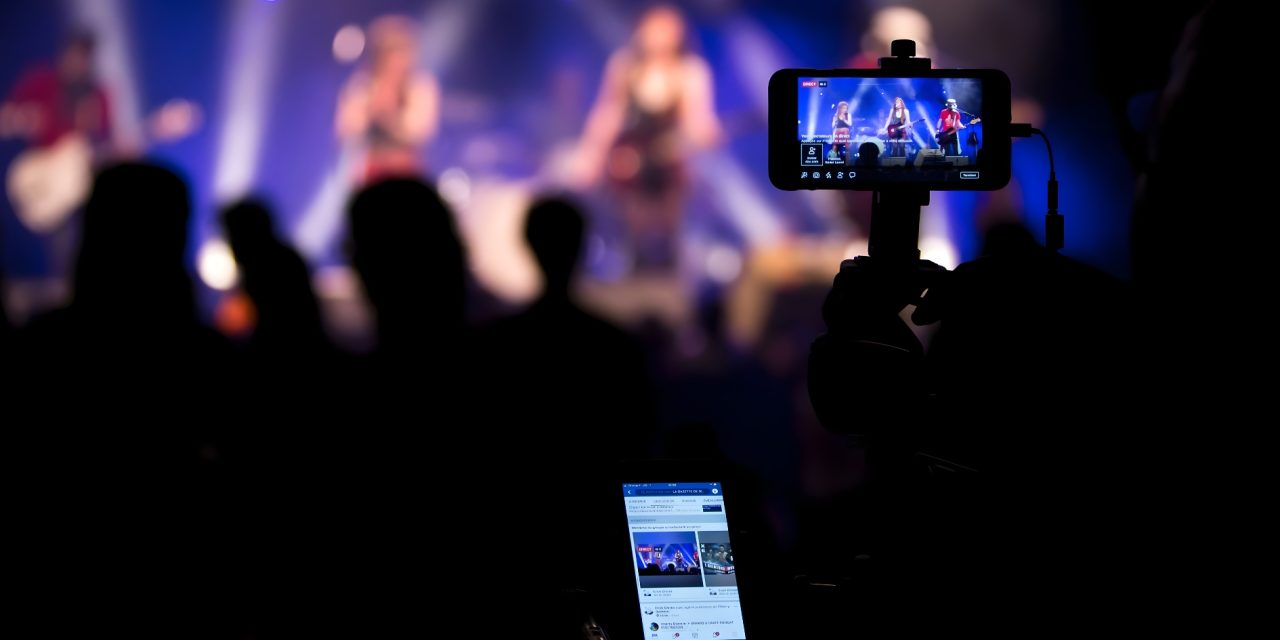
Mobile devices used to be the backup plan—the thing you checked between sets or used to record rough ideas. Now, they’re quietly becoming part of the stage setup. From looping and effects to visuals and backing tracks, phones and tablets are reshaping how live performances are built, controlled, and experienced.
For independent and lounge-oriented artists especially, mobility matters. Fewer cables, smaller setups, and more flexibility mean you can focus on flow instead of gear stress. When used creatively, mobile devices don’t replace musicianship—they extend it.
Live Looping for On-the-Fly Performance
Live looping has become one of the most powerful uses of mobile devices in performance settings. Apps like Loopy HD allow musicians to record, layer, and manipulate parts in real time, making solo performances feel full and dynamic.
Instead of relying on pre-recorded material, artists can build tracks piece by piece in front of the audience. A guitar line becomes a rhythm bed. A vocal phrase turns into harmony. The performance becomes visible, not just audible.
This approach works especially well in lounge, lo-fi, and downtempo settings, where gradual build-ups and subtle repetition keep listeners engaged without overwhelming the space.
Visual Elements That Move With the Music
Tablets are increasingly being used to run visuals synced directly to live audio. Simple motion graphics, abstract loops, or soft ambient visuals can add depth to a performance without turning it into a full production spectacle.
For mood-driven sets—think lounge rooms, hotel spaces, or intimate venues—visuals act as atmosphere rather than distraction. When the visuals respond to tempo or sound changes, the audience experiences the performance as a unified environment instead of separate elements competing for attention.
Even minimal visuals can elevate a set from “background music” to a complete sensory moment.
Real-Time Effects and Sound Shaping
Mobile apps like Bias FX have transformed phones and tablets into portable multi-effects processors. Guitarists, vocalists, and electronic performers can shape their sound live without hauling pedalboards or racks.
Effects can be switched mid-song, automated, or layered with precision. More importantly, this setup encourages experimentation. Artists can test textures, distortions, and spatial effects live, responding to the room rather than sticking rigidly to rehearsed tones.
For lounge and chill-focused performances, this flexibility helps maintain warmth and movement without breaking the mood.
Managing Backing Tracks Seamlessly
Backing tracks no longer require laptops front and center. Mobile devices can now handle playback, routing, and set organization with ease.
Using a tablet or phone to trigger tracks allows performers to keep their setup compact and their focus on the audience. Tracks can be grouped by tempo or mood, adjusted on the fly, and paused or looped when the room needs more breathing space.
This is especially useful in hospitality and lounge environments, where adaptability matters as much as consistency.
Conclusion
Mobile devices have moved beyond convenience—they’re becoming creative tools in their own right. When integrated thoughtfully, they support performance rather than overshadow it, giving artists more control, flexibility, and room to experiment.
For musicians working in lounge, chill, and live-session spaces, the real value lies in how these tools help shape atmosphere. Less friction, more flow, and performances that feel alive instead of locked in.
Which part of your live setup could benefit most from going mobile? Explore more performance, curation, and sound-design insights at DLK Music Pro, where modern tools meet intentional listening.