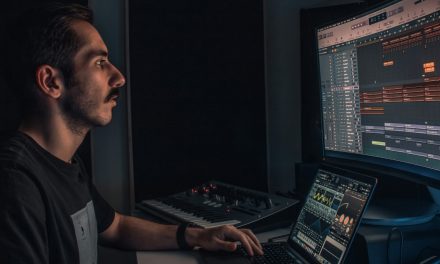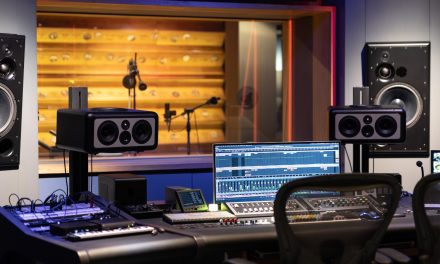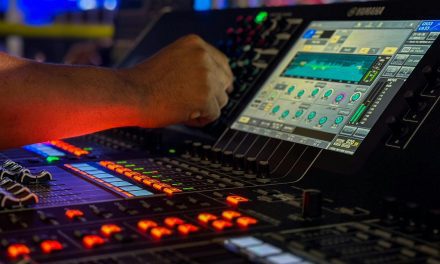
For a while, software was supposed to replace hardware completely—just a laptop, a DAW, and endless plugins. Clean, efficient… and, if we’re being honest, sometimes painfully uninspiring.
Now the pendulum has swung back. Not because software failed, but because producers missed the feel—the immediacy of touching sound instead of dragging it with a mouse. Hybrid setups step into that gap, blending controllers, hardware, and plugins into a workflow that is fast, reliable, and actually enjoyable to use. It’s less about nostalgia and more about building a system that works with you instead of slowing you down.
The Hybrid Setup Renaissance
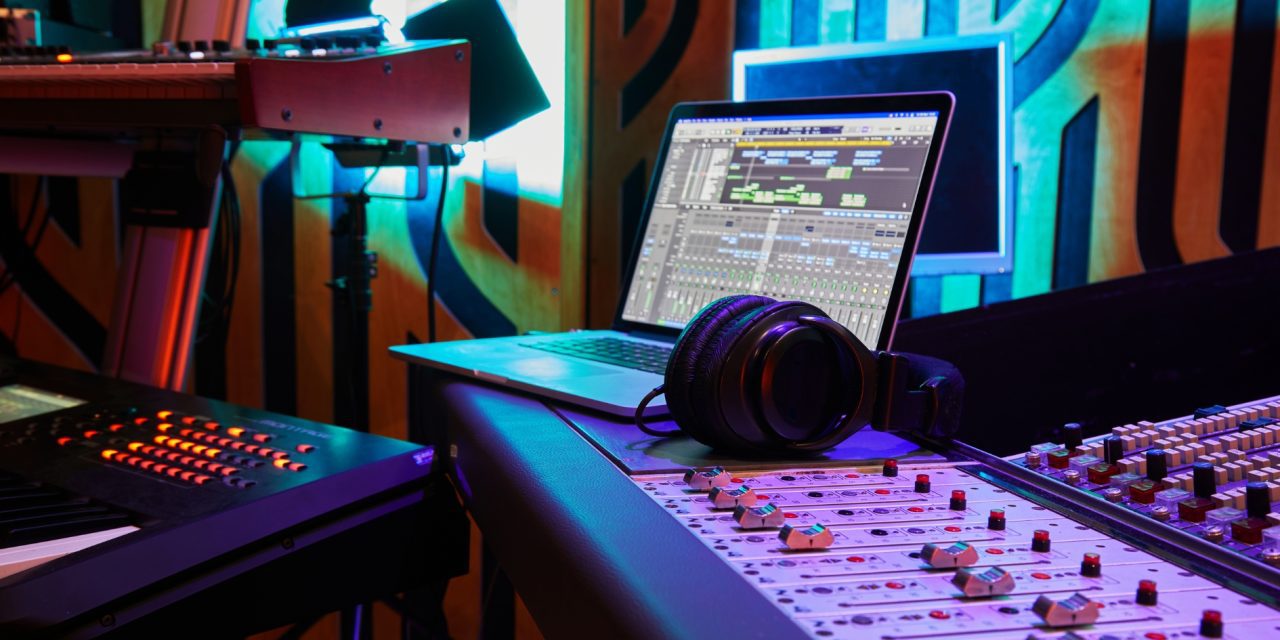
Hybrid setups are no longer experimental—they are becoming the standard in modern production environments. By combining MIDI controllers, hardware synths, and plugins, producers build a system that balances hands-on creativity with digital precision.
At a practical level, this workflow follows a repeatable cycle. A controller sends MIDI information to a hardware synth, which generates audio. That audio is then routed into a DAW, where plugins handle processing, shaping, and final output. The result is a seamless loop that supports both experimentation and consistency.
This approach solves one of the biggest issues in digital production: creative fatigue from screen-heavy workflows. Instead of relying entirely on a mouse and keyboard, producers interact with sound physically, while still benefiting from the flexibility and recall of software.
Defining the Controller + Hardware + Plugin Stack
Understanding each part of the hybrid system helps you build a setup that actually works for your style and goals.
Controllers: The Creative Command Center
Devices like the Ableton Push 2 and Native Instruments Maschine MK3 serve as the primary input tools. They allow you to sequence beats, trigger clips, and shape ideas quickly without interrupting your creative flow.
Push 2, for example, uses a grid of pads to control clips and instruments inside Ableton Live, making it easier to build tracks in real time. This kind of control shifts production from being purely technical to something more performance-driven.
Hardware: Where Character and Depth Come From
Hardware synths such as the Moog Mother-32 or Moog Subsequent 37 introduce sonic character that is difficult to replicate digitally.
These instruments generate sound externally, often with subtle inconsistencies that add warmth and depth. A semi-modular synth like the Mother-32 also allows for deeper sound design through patching, giving producers more control over how a sound evolves.
Plugins: Precision, Control, and Scalability
Plugins like Xfer Serum and FabFilter Pro-Q 3 complete the chain by handling detailed processing.
Serum provides advanced wavetable synthesis for modern sound design, while Pro-Q 3 offers precise EQ shaping that ensures mixes translate well across systems. Plugins also make it possible to save, recall, and refine projects without losing consistency.
Why This Workflow Delivers Better Results
The strength of hybrid production lies in how these elements complement each other. Controllers improve speed and workflow, hardware adds sonic uniqueness, and plugins provide the control needed to finalize professional-quality tracks.
This combination allows producers to move quickly without sacrificing quality. Ideas can be sketched out in real time, refined through tactile interaction, and polished with digital precision. Over time, this leads to a more efficient and enjoyable production process.
Conclusion
Hybrid setups work because they solve real problems in modern production. They reduce reliance on screens, reintroduce physical interaction with sound, and maintain the flexibility required for professional workflows.
By combining controllers, hardware, and plugins into a single system, producers can create a setup that is both creative and consistent. For anyone looking to improve both workflow and sound quality, this approach offers a balanced and practical way forward.
Still stuck choosing between hardware feel and software convenience in your setup? Explore more hybrid workflows, gear breakdowns, and production strategies that actually improve how you create – only on DLK Music Pro News!