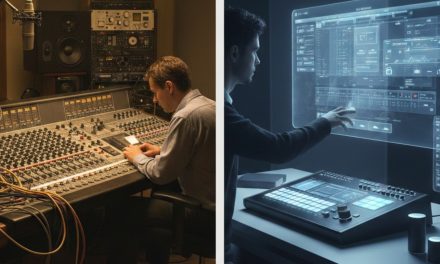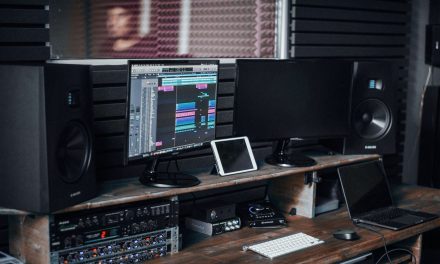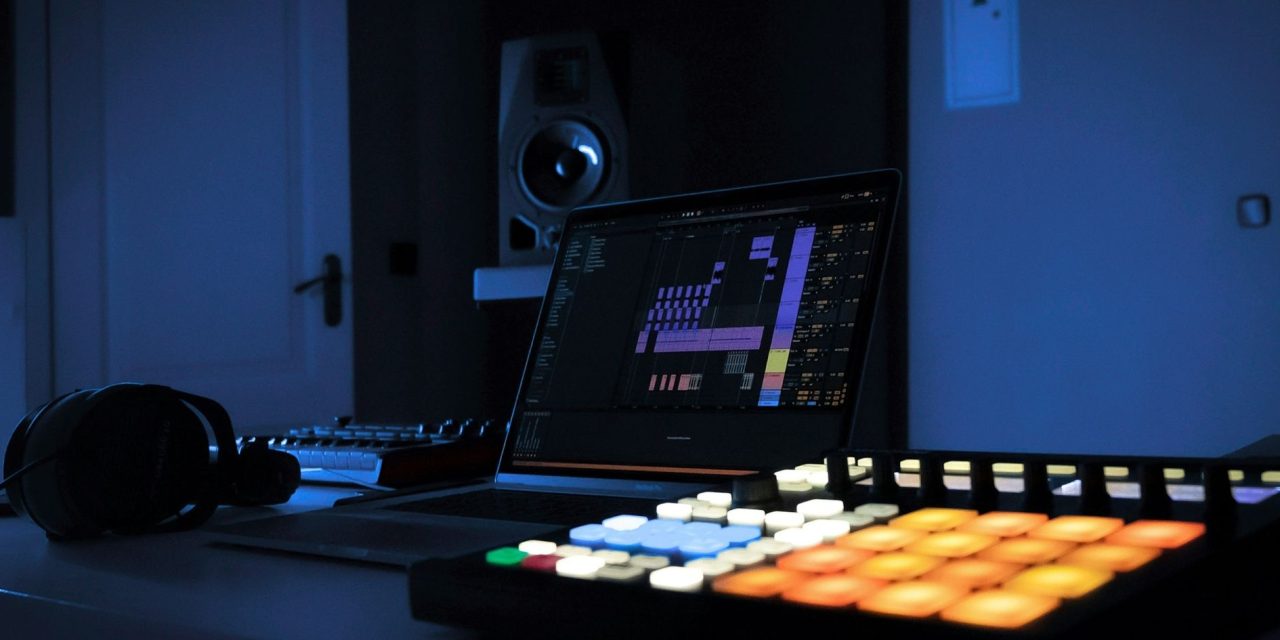
There was a time when “professional studio quality” meant selling a kidney, surviving three software subscriptions, and pretending your laptop fan was not preparing for takeoff. In 2026, things look very different.
Modern DAWs are quietly closing the gap between bedroom setups and high-end studios. Tools that once belonged exclusively to major facilities now live inside laptops, perpetual licenses, and surprisingly affordable production bundles. The result is a generation of indie producers building polished, streaming-ready records without spending thousands on software alone.
Platforms like Bitwig Studio, Reaper, and iZotope Ozone 11 are reshaping expectations around workflow, collaboration, and mastering. Instead of chasing endless upgrades, producers are focusing on efficient systems that deliver professional results at realistic prices.
Affordable DAWs Closing the Pro Studio Gap
The biggest shift in 2026 music production is not just affordability. It is capability.
Bitwig Studio now includes more than 200GB of sound packs, putting it in direct conversation with premium libraries like Omnisphere that once dominated expensive studio setups. Meanwhile, perpetual-license DAWs under $500 now offer unlimited tracks, advanced modulation systems, AI-assisted workflows, and professional routing once reserved for flagship studio environments.
This software evolution is dramatically changing home studio culture. Producers no longer need massive subscription stacks to access professional-grade tools. A laptop, a decent interface, and the right workflow can now compete surprisingly well with setups that previously cost thousands.
One standout example is Reaper. At roughly $60, it delivers more than 300 included effects, unlimited track counts, advanced automation, and JSFX scripting for custom processing chains. Many producers now compare its routing flexibility directly to high-end Pro Tools workflows.
| DAW | Price | Key Features | Workflow Match |
| Reaper 7 | $60 perpetual | Unlimited tracks, JSFX scripting, 300+ FX | Pro-level routing and automation |
| Studio One Pro+ | $179/year | Drag-and-drop effects, chord tracks | Subscription workflow |
The appeal goes beyond pricing. These DAWs also run efficiently on modest systems, lowering RAM strain and reducing the hardware barrier for independent musicians. Producers can now integrate VST plugins, hardware emulations, automation systems, and high sample-rate exports from compact home setups without sacrificing fidelity.
For many creators, the “pro studio gap” is no longer about access. It is about workflow discipline and creative decision-making.
AI Collaboration Reshaping Solo Production
The modern producer is no longer limited by geography or expensive studio schedules.
Collaborative platforms like Splice now allow creators to share stems, sync sessions, and update arrangements remotely with surprisingly low latency. What once required booked studio time can now happen between two producers working from different continents in sweatpants and questionable sleep schedules. Music production truly has become beautifully chaotic.
Tools like Splice Studio and Ableton Link help solo creators build workflows that feel surprisingly close to full studio teams. Indie musicians can upload cloud stems, manage track versions, and collaborate in real time without complicated hardware infrastructure.
The process is becoming increasingly streamlined:
- Create cloud-based sessions for stem sharing
- Sync arrangements using Ableton Link
- Use version control for remote edits
- Export WAV or FLAC stems instantly for distribution
This shift mirrors workflows used by artists like Billie Eilish and Finneas during remote collaboration projects. Bedroom producers now access many of the same collaborative advantages previously limited to industry-connected teams.
At the same time, AI-powered mastering is reducing another major barrier: final polish.
iZotope Ozone 11 uses AI-assisted Master Assistant processing to target streaming-friendly loudness standards like -14 LUFS with remarkably accurate true-peak balancing. Home producers can now achieve cleaner masters in minutes instead of spending hours fighting limiter settings and second-guessing every export.
Before processing, many mixes sit around -18 LUFS with uneven dynamics. After AI-assisted mastering, sessions often land close to streaming-ready standards immediately while preserving punch and clarity. Producers can then fine-tune details using multiband dynamics, saturation, or additional plugins from companies like FabFilter and Waves Audio.
The real value here is not laziness. It is momentum.
Instead of getting stuck in technical cleanup for hours, creators can spend more time writing, arranging, experimenting, and finishing music consistently. And honestly, finishing tracks is already difficult enough without spending forty minutes arguing with a limiter that suddenly hates happiness.
Conclusion
Music software in 2026 is doing more than becoming cheaper. It is reshaping who gets access to professional production standards in the first place.
Affordable DAWs, perpetual licenses, cloud collaboration, and AI-assisted mastering tools are allowing independent creators to build serious workflows from modest setups. What matters now is less about owning the most expensive system and more about understanding how to use available tools creatively and efficiently.
The gap between bedroom studios and professional environments has not disappeared completely. But it has become dramatically smaller, and for many producers, that shift is opening creative doors that once felt permanently locked.
Do you ever think about how many incredible producers almost gave up simply because professional tools once felt impossible to access?
Stay with DLK Music Pro News for more on the software revolution opening new doors for independent creators everywhere.