Nothing humbles a creator faster than recording the perfect take, only to discover later that the fan was roaring, the neighbor’s dog had opinions, and your microphone captured every single one of them in cinematic detail.
That frustration is exactly why modern audio gear is changing so quickly. In 2026, creators are no longer just chasing “good sound.” They are chasing speed, flexibility, and cleaner workflows that do not demand forty-five minutes of repair work after every shoot.
Wireless systems, portable recorders, and AI-powered cleanup tools are now cutting audio correction down to minutes instead of hours. For YouTubers, filmmakers, podcasters, and short-form creators trying to keep up with relentless upload schedules, that shift matters deeply. Less time repairing audio means more energy left for storytelling, editing, and staying creative before burnout quietly sneaks in.
Wireless Audio Systems Are Making Fast Content Creation Feel Smoother
Modern wireless microphones are doing far more than removing cables. They are helping creators capture cleaner sound instantly in unpredictable recording environments.
The Rode Wireless Pro became one of the standout tools for creators needing fast setup and dependable audio. Its 32-bit float recording protects against clipped audio while built-in noise handling reduces cleanup later. That combination is especially valuable for vloggers, interview creators, and mobile filmmakers recording in busy public spaces.
Meanwhile, the DJI Mic 2 gained attention for strong range performance and lightweight portability, while the Sennheiser EW-DX continued serving broadcast-level productions demanding cleaner long-distance signal reliability.
| Model | Price | Key Strength | Best For |
| Rode Wireless Pro | $399 | 32-bit float recording | Prosumers |
| DJI Mic 2 | $349 | Strong noise cancellation | Vloggers |
| Sennheiser EW-DX | $999 | Broadcast-level signal | Professional crews |
Battery life across these systems now regularly exceeds ten hours, allowing creators to film longer sessions without constantly managing charging anxiety. And honestly, not having to stop an emotional interview because a cable snagged on a chair feels like technological progress humanity deserved years ago.
The bigger shift is workflow confidence. Creators are spending less time worrying about technical failure and more time staying present during shoots. That changes the entire energy of production.
Portable Recorders and AI Cleanup Tools Are Reshaping Post-Production
Portable recorders have also evolved into serious workflow tools rather than emergency backups.
The Zoom F3 became especially popular because its 32-bit float recording removes the stress of precise gain staging during unpredictable shoots. Pair it with lav microphones, connect directly through USB-C, and editors can move footage into timelines quickly without extensive conversion or repair steps.
Tools like the Tentacle Track E simplified multi-camera synchronization through timecode support, while the Sound Devices MixPre-3 II offered higher-resolution recording for long-form production work.
Efficient workflows now look something like this:
- Capture audio directly into portable 32-bit recorders
- Transfer instantly through USB-C
- Sync through timecode in editing software
- Move directly into the timeline with minimal correction
That speed matters enormously for creators balancing daily uploads, client deadlines, and rapid social content production.
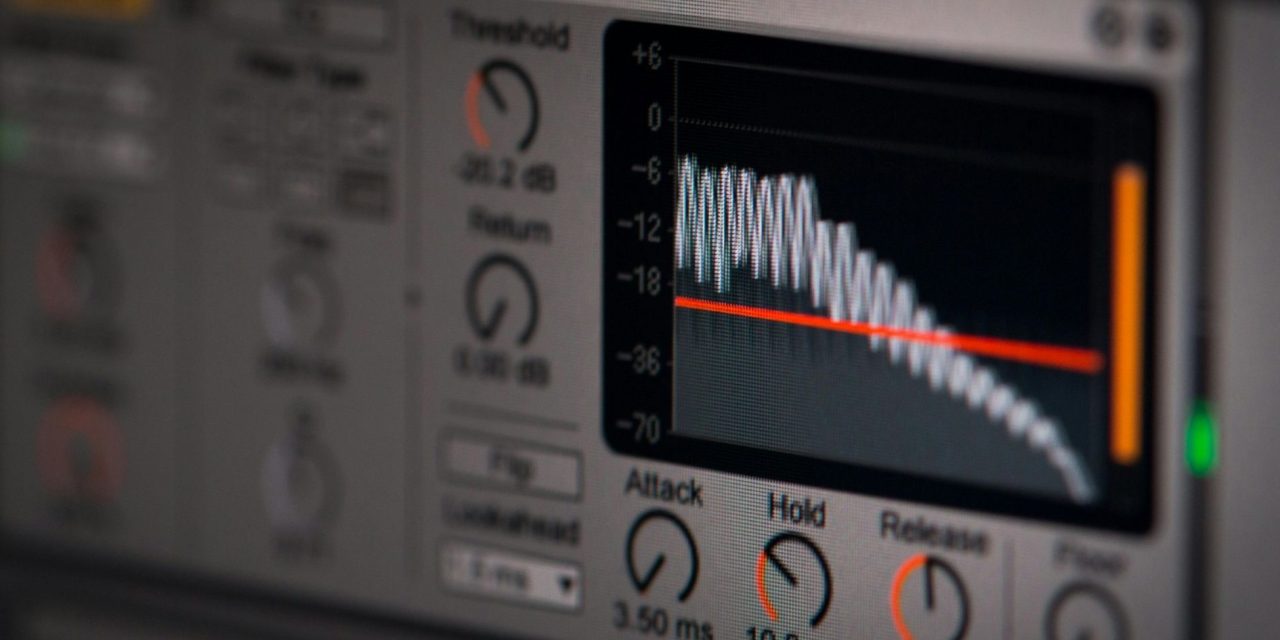
AI cleanup tools pushed this even further in 2026. iZotope RX 11 Elements can now remove HVAC rumble, room noise, and unwanted background distractions in minutes instead of manual editing sessions stretching late into the night.
Meanwhile, Auphonic handles loudness normalization and batch processing, while Adobe Enhance simplifies dialogue cleanup for podcasts, Reels, and YouTube videos.
Creators are now batch-processing multiple videos in the time it once took to clean a single bad recording manually. The result is not just efficiency. It is a relief.
Less technical exhaustion. Less endless fixing. More room to focus on ideas worth sharing.
Conclusion
Modern audio gear is no longer just about sound quality. It is about protecting creative momentum. Wireless systems, portable recorders, and AI cleanup tools are helping creators spend less time repairing problems and more time building meaningful content.
That shift matters because creative energy is limited. Every hour spent removing hums, clipping, or background chaos is an hour stolen from the storytelling itself.
The best audio workflows in 2026 are not simply cleaner. They are kinder to the people creating under constant pressure to keep producing.
Have you ever stayed up editing a video you were proud of, only to feel completely defeated by the audio afterward?Stay with DLK Music Pro News for more ways to build workflows that protect your creativity before exhaustion steals the excitement from it.