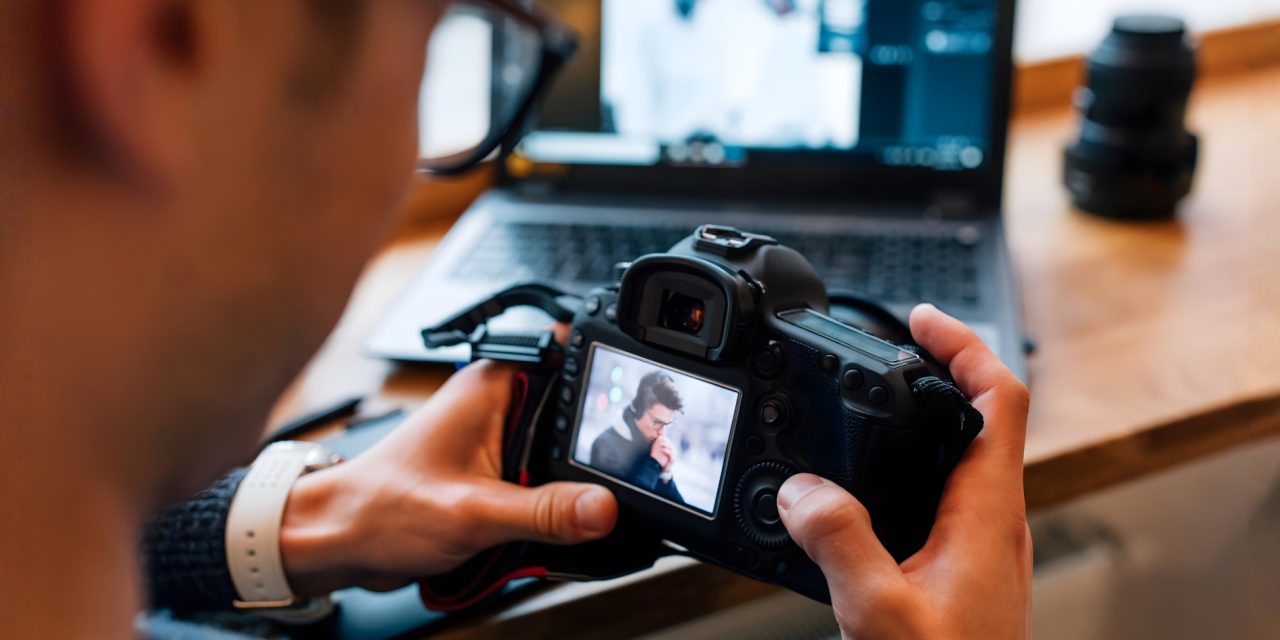
Fast turnarounds are no longer a luxury in modern content creation. They are the baseline expectation. Audiences want polished visuals immediately, platforms reward speed, and creators rarely have the time or budget for long post-production cycles anymore. The camera, once just a capture device, has quietly become a workflow accelerator.
Today’s cameras do far more than record footage. They process color, stabilize motion, generate proxies, and preview final looks before a clip ever touches an editing timeline. This shift allows creators to move from shoot to publish in hours instead of days, without sacrificing professional results.
This article looks at how modern camera technology enables faster creator turnarounds, focusing on in-camera processing, proxy workflows, and real-time preview systems that reduce editing friction in 2026.
In-Camera Processing That Reduces Post-Production Time
Modern cameras now handle tasks that once required dedicated software and long rendering sessions. Features like real-time LUT preview, in-body image stabilization, and AI-assisted autofocus allow creators to capture footage that already resembles the final output.
Mirrorless cameras and advanced smartphones apply color transforms and stabilization at capture. This eliminates the need for corrective passes in post-production. Creators can trust what they see on the monitor, reducing revision cycles later.
This approach is especially valuable for same-day delivery workflows. Event videographers, vloggers, and short-form creators can export content quickly because the camera has already done much of the heavy lifting. The result is consistent visuals with minimal editing overhead.
Mirrorless Systems Built for Speed and Flexibility
High-end mirrorless cameras are designed around fast workflows rather than pure resolution specs. Models like the Sony A1 II, Canon R5 C, and Panasonic S5 IIX combine high-resolution capture with tools that accelerate editing.
| Camera | Price | Resolution | Workflow Advantage | Best Use Case |
| Sony A1 II | $6,499 | 8.6K 30p | Real-time LUT preview | Cinema & commercial |
| Canon R5 C | $3,899 | 8K RAW | Metadata tagging | Documentary & events |
| Panasonic S5 IIX | $2,199 | 6K Open Gate | Proxy recording | Run-and-gun creators |
Proxy recording allows creators to cut footage immediately in DaVinci Resolve or Premiere Pro. Final relinking takes minutes, not hours. Open-gate capture also supports fast reframing for multiple platforms without reshoots.
These systems reduce decision fatigue in post-production. Color, framing, and stabilization decisions happen on set, not weeks later in an edit bay.
Mobile Stabilization and Smartphone Capture at Scale
Smartphone camera systems paired with intelligent gimbals now support professional-level capture for fast-moving creators. Devices like the DJI Osmo Mobile 6 and Insta360 Flow provide real-time stabilization and subject tracking without complex rigs.
This setup is ideal for creators working on TikTok, Instagram Reels, and YouTube Shorts. Smooth footage is captured in seconds and transferred instantly via AirDrop or cloud sync. Editing begins immediately, often on the same device.
Apps like FiLMiC Pro and CapCut extend this workflow with direct export presets. The result is a mobile pipeline that supports speed without compromising visual consistency.
High-Resolution Systems with Proxy-First Workflows
High-resolution cameras no longer slow creators down. Systems capable of 6K and 8K recording now generate proxy files automatically alongside full-resolution footage.
Creators edit lightweight proxies in real time, then relink to RAW files only when final color grading is required. This approach dramatically shortens turnaround times for long-form and multi-camera projects.
Modern hardware acceleration further supports this workflow. Fast SSD storage, GPU decoding, and optimized codecs allow creators to preview complex timelines without rendering delays. High resolution becomes an advantage, not a bottleneck.
Wrap Up
The creator economy rewards consistency and speed. Platforms prioritize frequent posting, while clients expect fast delivery. Camera technology now directly influences creative sustainability by reducing burnout and technical friction.
By shifting processing closer to capture, creators spend less time fixing footage and more time publishing content. This evolution turns cameras into productivity tools, not just image sensors.
Faster turnarounds are no longer about cutting corners. They are about smarter tools working earlier in the pipeline.
Has modern camera technology changed how quickly you move from shooting to publishing without sacrificing quality? Let us know in the comments and keep up with creator workflows and production trends only at DLK Music Pro News!