Every producer wants a faster workflow until the mix starts sounding thin, flat, or strangely lifeless. Then suddenly the same person who wanted “quick and efficient” is automating hi-hats at 2am while comparing LUFS meters like a scientist in a crisis.
That tension sits at the center of music production in 2026. Surveys from the Production Music Association, Gearspace, and Splice show producers constantly balancing three things: speed, sound quality, and creative momentum.
The interesting part is that most successful creators are no longer choosing one over the other. They are building hybrid workflows that help them move fast without sacrificing the depth and polish listeners still expect.
The Workflow Battle Between Fast Output and Better Sound
According to recent PMA findings, many producers prioritize speed during the creative phase, especially in content-heavy environments where frequent releases matter. However, platforms like Spotify still favor tracks with stronger dynamic range and balanced mastering, creating tension between fast production and polished results.
Survey data also revealed clear differences between DAW ecosystems and production habits:
| Priority | Tools Used | Speed (Tracks/Month) | Quality (DR Score) |
| Speed | Ableton Live, FL Studio | High | Lower |
| Quality | Pro Tools, Logic Pro | Moderate | High |
| Hybrid | Reaper, Cubase | Balanced | Balanced |
Creators using Ableton Live and FL Studio often prioritize rapid arrangement building, loop-based composition, and quick export workflows. These DAWs dominate EDM, trap, and short-form content production because they help ideas move fast before inspiration fades.
Meanwhile, producers working inside Pro Tools or Logic Pro tend to focus more heavily on detailed editing, mixing precision, stereo imaging, and mastering quality. These workflows reward patience and careful sonic shaping.
What surprised many researchers was the growing success of hybrid workflows built around tools like Reaper and Cubase. Producers combining fast drafting methods with more intentional finishing stages reportedly secured stronger placement opportunities in music libraries and streaming-focused production work.
The surveys also highlighted strong genre-specific preferences:
- EDM producers favor rapid arrangement building and drop-focused workflows using synths like Serum
- Jazz producers prioritize dynamic range, timbre, room depth, and detailed EQ decisions using tools like Omnisphere
- Hip-hop producers balance speed and layering through samplers like the Akai MPC
- Pop creators often rely on sidechain compression and vocal clarity while managing strict deadlines
Practical advice from these reports remains surprisingly consistent: test your mixes against reference tracks, use A/B comparisons frequently, and shape workflows around your genre’s listening habits rather than chasing every trend online.
Because a workflow that works brilliantly for house music might completely kill the energy needed for jazz, cinematic scoring, or vocal-heavy pop production.
PMA, Gearspace, and Splice on Faster Workflows
Research from Gearspace polls involving more than 1,200 producers identified CPU strain and workflow interruptions as major frustrations in modern sessions. Real-time processing demands, oversized plugin chains, and unstable latency settings often slow creativity far more than producers expect.
That explains why many creators are adopting AI-assisted tools selectively rather than fully automating production. The goal is not replacing creativity. It is removing repetitive technical bottlenecks.
Modern workflows now frequently include:
- AI stem separation for faster remix preparation
- Automated vocal tuning to reduce editing time
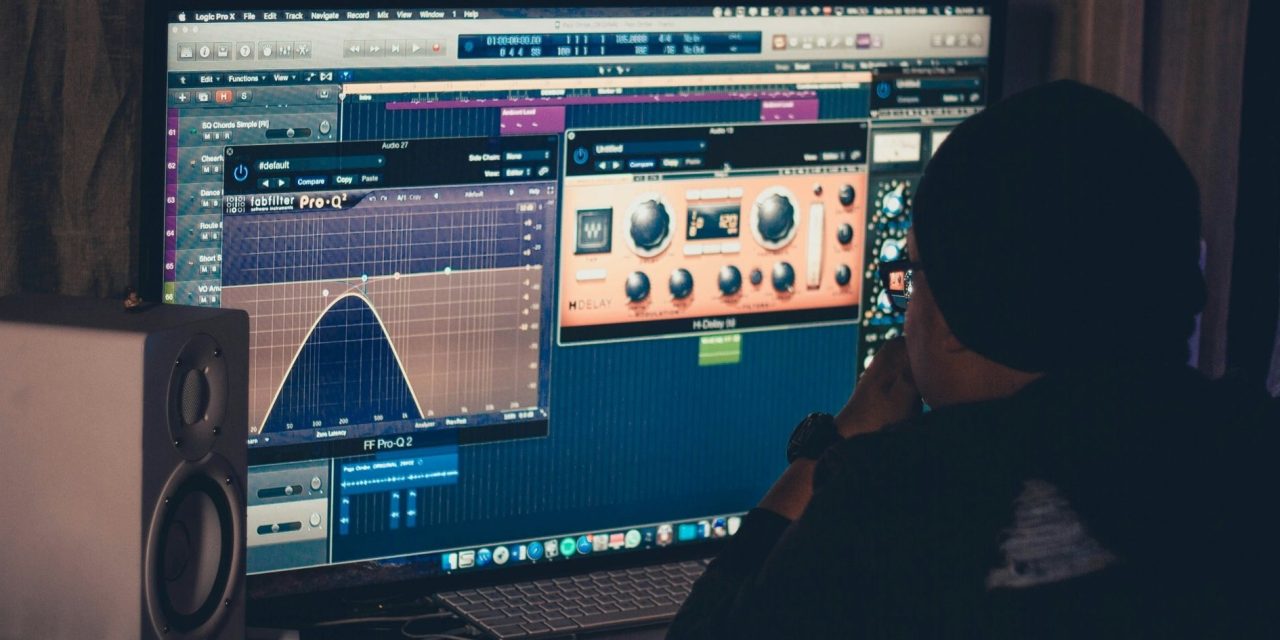
- Plugin chains from companies like FabFilter for faster buss processing
- MIDI packs to bypass creative block during drafting stages
- Hardware-software integration using systems like Maschine
Splice research also explored how sample rate, bit depth, and low-latency setups affect production flow. Producers increasingly prioritize systems that maintain creative momentum instead of constantly interrupting it with technical friction.
Many creators now describe their best sessions not as the most technically perfect ones, but the ones where ideas flowed naturally without endless troubleshooting. That emotional side of workflow design matters more than many production discussions admit.
Because eventually, every producer learns the same difficult lesson: the perfect plugin chain means very little if the creative spark disappears halfway through the session.
Conclusion
Market research in 2026 is revealing a major shift in music production culture. Producers are no longer choosing strictly between speed and sound quality. Instead, they are building hybrid workflows that protect efficiency, sonic depth, and creative momentum at the same time.
The rise of balanced production systems reflects the reality of modern creation. Fast workflows help music get finished, but thoughtful sound design and mix quality still determine whether listeners stay connected to the track.
The strongest setups today are not necessarily the fastest or the most expensive. They are the ones that help producers keep creating consistently without losing the excitement that made them start in the first place.
Have you ever spent so much time fixing a mix that the excitement of the original idea slowly disappeared?
Stay with DLK Music Pro News for more workflow strategies that help producers move efficiently without losing the soul of the track.