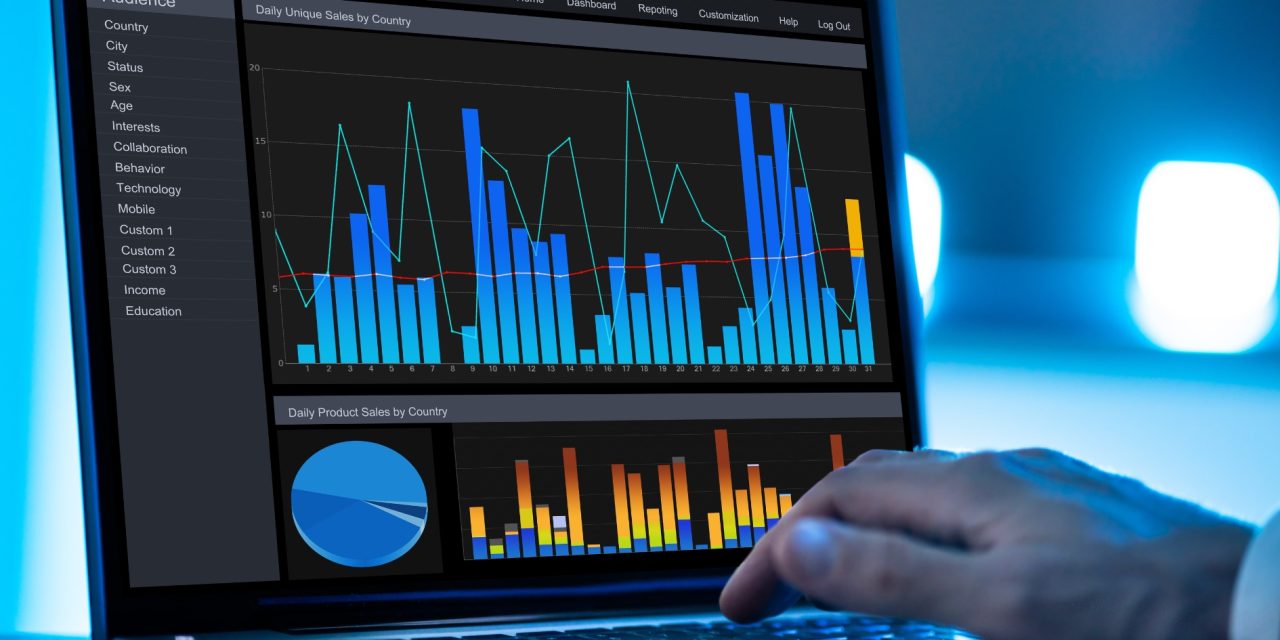
Playlist placement is no longer driven by instinct alone. In today’s streaming landscape, data and analytics play a central role in determining how tracks gain traction, retain listeners, and build long-term momentum. Artists who understand their streaming data are better equipped to position their music where it performs best, rather than relying on trial and error.
By studying listener behavior and performance trends, musicians can refine their playlist strategies, improve engagement, and strengthen their digital footprint. Analytics don’t replace creativity—they sharpen it, turning guesswork into informed action.
Understanding Key Streaming Metrics
What the Numbers Reveal About Listener Behavior
Streaming metrics offer a clear window into how audiences respond to a track. Listener count, skip rate, saves, and engagement levels each tell a different part of the story. Platforms like Spotify for Artists allow musicians to track these metrics in real time, making it easier to spot patterns and react quickly.
Skip rate is especially revealing. A high skip rate may indicate that a song’s intro isn’t connecting, or that the track isn’t reaching the right audience through its current playlist placements. In contrast, strong save and repeat-listen numbers often signal that a track resonates deeply and has long-term potential.
Additional tools such as Soundcharts provide broader insights into listener demographics, geographic trends, and playlist performance across platforms. This information helps artists understand not just how their music performs, but where and with whom it performs best.
Turning Insights Into Playlist Strategy
Targeting the Right Playlists With Precision
Data becomes truly valuable when it informs action. Analytics allow artists to focus their outreach on playlists that naturally align with their sound and audience profile. Segmenting listeners by age, location, and listening habits—using tools like Spotify for Artists or YouTube Analytics—creates a clearer picture of who the music is actually reaching.
For example, if data shows strong engagement from indie rock listeners aged 18–24, pitching to playlists that cater specifically to that demographic becomes a logical next step. Artists can then tailor their playlist submissions to highlight the elements of their music that resonate most with that audience.
Regularly reviewing performance data ensures that strategies evolve alongside listener behavior. Instead of repeating the same promotional approach, artists can refine their pitches, adjust release timing, and strengthen relationships with curators who consistently deliver results.
Conclusion
Data and analytics have become essential tools for navigating the playlist-driven music economy. When used thoughtfully, they help artists understand their audience, identify what works, and place their music in environments where it can thrive.
The artists who succeed aren’t just tracking numbers—they’re using those insights to make smarter creative and promotional decisions.
Are you using your streaming data to guide playlist placements, or letting opportunities slip through the cracks? Dive deeper into data-driven music strategies at DLK Music Pro, where insight meets action for artists serious about growth.