The cameras may stop rolling, but the real magic begins when editors open their laptops and coffee cups mysteriously refill themselves. Post-production is where chaotic clips become cinematic art. It’s where every cut, sound, and transition works together to tell a story that feels effortless, even when it’s anything but.
This behind-the-scenes process is the heartbeat of filmmaking, transforming raw footage into an experience that captivates audiences. Whether it’s a short music video or a feature-length documentary, the artistry of post-production determines whether viewers will scroll past or stay glued to the screen.
Editing and Visual Effects
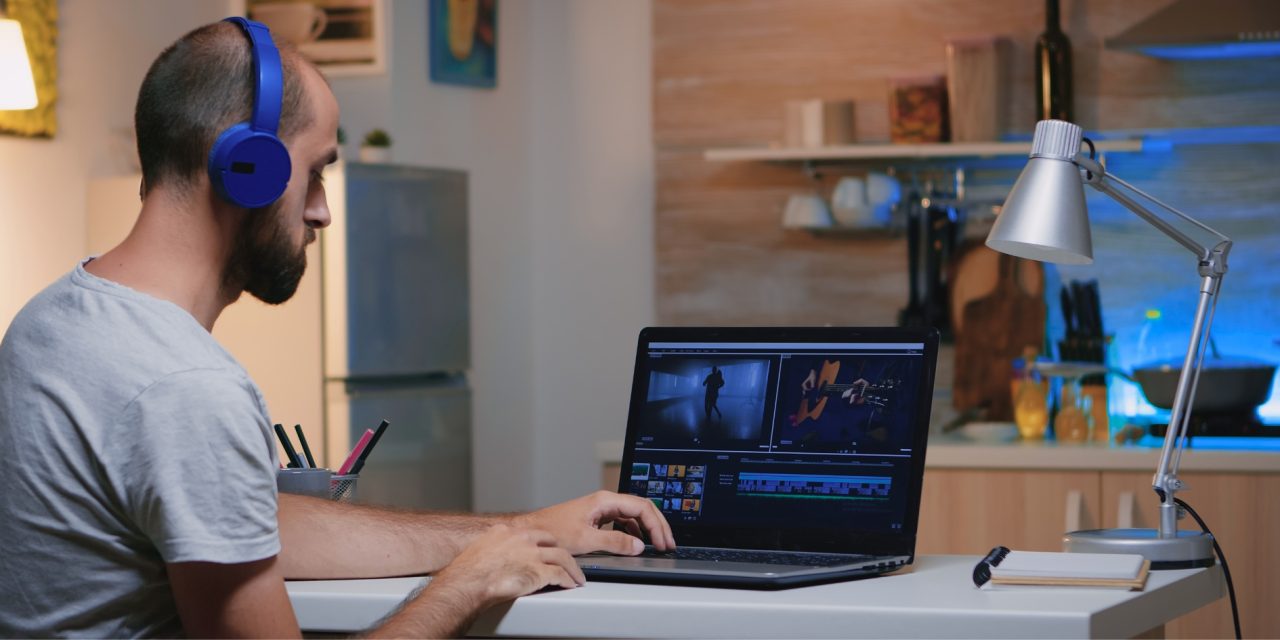
Editing is where vision meets patience — and sometimes a few hundred gigabytes of frustration. Producers rely on tools like Adobe Premiere Pro, a $239.88-per-year investment that transforms scattered clips into seamless storytelling.
The first step toward an efficient edit is organization. Import your footage through the Media Browser to maintain file order and avoid the dreaded “missing media” nightmare. Create separate sequences for each scene or timeline to make navigating complex projects manageable.
Enhance your visual storytelling using effect libraries such as Red Giant Universe, which adds cinematic flair with minimal effort. Subtle touches like motion blur or color grading can make even a simple shot feel like a high-budget production.
Before exporting, tailor presets to your intended platform — whether YouTube, Instagram, or Vimeo — to ensure perfect quality and format compatibility. And yes, save your project. Often. Keyboard shortcuts aren’t just for speed; they’re survival tools for every editor’s sanity.
Sound Design and Mixing
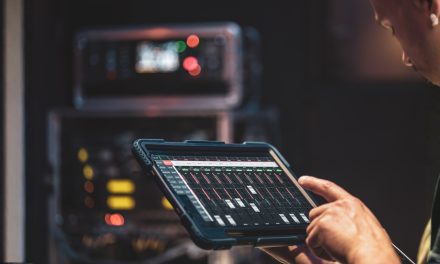
A video’s visual perfection means little if its sound falters. Sound design transforms good visuals into great experiences by shaping how emotions land with the audience. Tools like Pro Tools ($599) or Logic Pro X offer the precision needed to master this delicate craft.
Begin with layered audio tracks to create a sense of depth and realism. Incorporate sound effects that complement the on-screen action without overwhelming it. For mastering, plugins like iZotope Ozone can balance frequencies and enhance clarity, turning rough mixes into professional-grade soundscapes.
Always test your mix across multiple listening environments — studio monitors, consumer headphones, and even phone speakers. If it sounds great everywhere, you’ve nailed it. Strong sound design doesn’t just support visuals; it guides emotion, builds atmosphere, and subtly drives narrative rhythm.
In professional post-production, sound isn’t an afterthought — it’s the invisible thread holding the story together.
Conclusion
Post-production is where storytelling evolves from potential to perfection. Every edit, transition, and note contributes to the emotional rhythm that keeps audiences immersed. Mastering both visual and audio elements ensures a cohesive experience that resonates far beyond the closing credits.
While technology keeps evolving, creativity remains the core of every edit. Great editors don’t just arrange clips — they shape emotion, tone, and impact. In this realm, efficiency meets artistry, and the smallest decision can transform a project from ordinary to unforgettable.
How do editing precision and sound design shape the emotional heartbeat of modern storytelling? Discover more insights into creative workflows and industry evolution only at DLK Music Pro News!