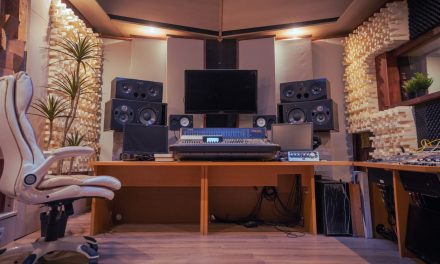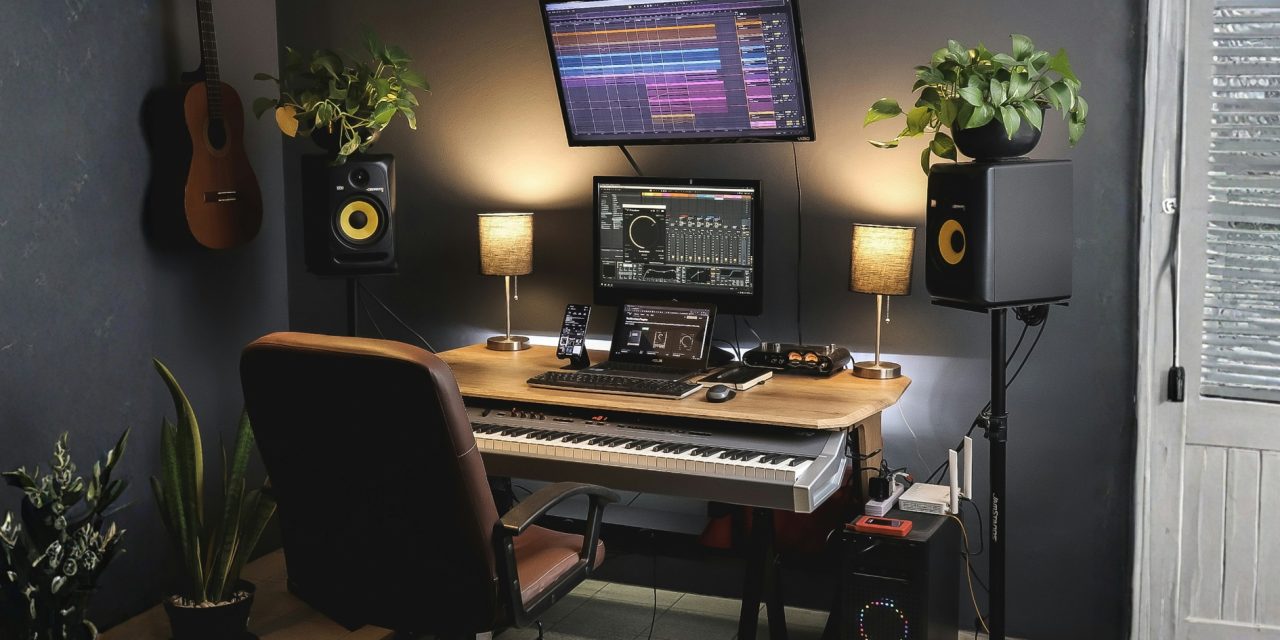
If you imagine modern producers building massive control rooms, you may be about ten years late. Today’s hit records are often mixed beside a bed, a bookshelf, or a kitchen counter.
Home studios are shrinking, not because standards dropped, but because modern life demands efficiency. Urban density, remote work, and budget constraints are reshaping music production spaces. This piece explores why compact setups dominate, how small room acoustics are managed, and how producers achieve professional home mixing in under 100 square feet.
The shift is strategic. Producers are choosing space-saving audio gear, portable mixers, nearfield monitors, and room correction software to maintain quality without expanding physically.
Urban Living, Remote Work, and the Small Room Equation
Post-2020 remote work permanently changed creative environments. Many producers now operate from apartments under 800 square feet.
Urban living limits space for studio monitors, large desks, and isolated recording rooms. Compact mixing equipment has become essential for daily production sessions. Wall-mounted monitors and under-desk gear maximize usable space.
Three technical compromises often appear in small rooms: reduced bass response from room modes, phase issues from reflections, and standing waves in tight spaces. These are physics challenges, not creative failures.
Acoustic treatment becomes critical. Use bass traps below 80Hz to control low-end buildup. Install sound panels and diffuser panels at first reflection points for reflection control. Add portable vocal booths to improve recording clarity.
Position nearfield monitors carefully. Place them one to two feet from walls. Consider the 38 percent rule from rear walls for balanced wave response. Use isolation pads to prevent vibration transfer.
Enhance small room acoustics with AI room correction tools like Sonarworks or Dirac Live. These refine frequency response for limited space mixing.
Over five years, studio sizes have trended smaller due to remote work and urban density. Yet professional results remain achievable through calibration, EQ for small rooms, and thoughtful equipment placement.
Bedroom Studios vs. Traditional Setups
Bedroom studios now compete with commercial environments more than ever before. The difference is scale, not capability.
| Feature | Bedroom Studio | Pro Commercial |
| Space | Under 100sqft, desk-focused | 250sqft+, isolated rooms |
| Cost | $1,000-$2,000 startup | $50k+ build, $75/hr rental |
| Output Quality | Pro results with plugins, nearfields | High-end gear, perfect acoustics |
Commercial rates make rentals less viable for many producers. Budget home studios prioritize efficient gear instead of expensive builds.
Many Grammy-winning producers behind indie hits started in bedrooms using headphone mixing, reference headphones, and USB audio interfaces. They relied on low-latency monitoring and compression techniques to compensate for limited space.
Modern compact setups include:
- Focusrite Scarlett USB interface, free DAW, IK Multimedia iLoud monitors
- Behringer compact mixer, JBL 104-BT nearfields, basic acoustic treatment
- PreSonus StudioLive portable unit, Kali Audio nearfields, GIK Acoustics traps
- Universal Audio interface, Adam Audio nearfields, Primacoustic panels under $500 add-ons
- Auralex foam kit, Genelec small monitors, tablet-based DAW
Multi-channel mixers and plugin bundles replace large-format consoles. Laptop mixing setups with Thunderbolt interfaces handle complex projects efficiently.
Add MIDI controllers, folding keyboard stands, mini rackmount solutions, and structured cable management for ergonomic mixing stations.
With proper frequency response tuning, these compact systems level the playing field against traditional setups.
Conclusion
Home studios are shrinking because cities are denser, work is remote, and budgets demand smarter decisions. Yet production quality has not declined. It has adapted.
Small room acoustics, nearfield monitors, portable mixers, and room correction software allow professional output in compact environments. The modern home studio problem is not about space. It is about optimization.
Producers who understand acoustics, calibration, and workflow design can achieve competitive results without expanding beyond 100 square feet.
Is your current setup optimized for small room acoustics, or are you still fighting your space every session? Refine your compact production workflow and stay ahead of modern studio trends only at DLK Music Pro News.