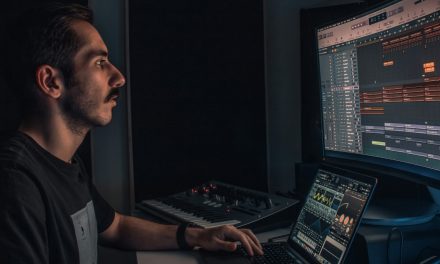
There was a time when “serious mixing” meant sitting between two expensive studio monitors in a perfectly treated room. Now? You could be dialing in a clean mix on a train—just hoping the person next to you doesn’t think your head nodding is part of a silent concert.
Welcome to the rise of headphones as a serious monitoring solution.
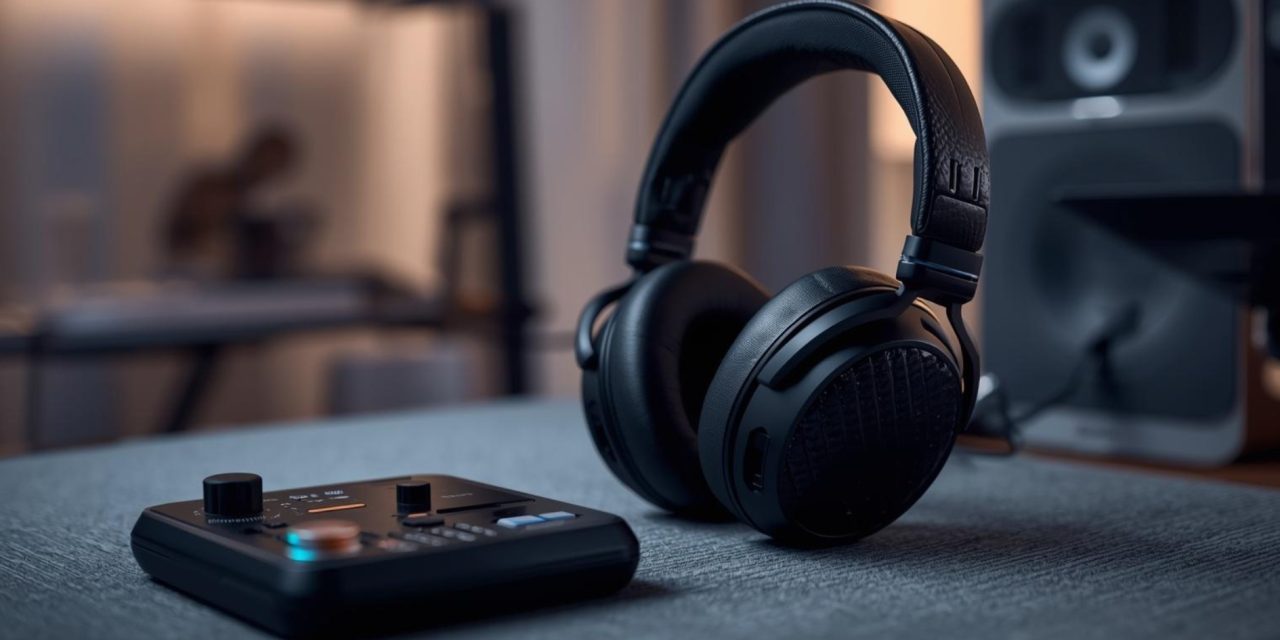
Modern studio headphones have evolved into powerful, portable tools that rival traditional setups in accuracy, consistency, and flexibility. For producers working on the go—or even in untreated rooms—they’ve become an essential part of the modern workflow.
Closed-Back Precision for Tracking and Control
Closed-back headphones are the go-to choice when isolation and accuracy during recording matter most.
Models like Beyerdynamic DT 1770 Pro deliver tight bass, minimal bleed, and high SPL handling—making them ideal for vocal tracking and live recording situations. Their controlled design prevents sound leakage into microphones, which is critical for clean takes.
Other reliable options include:
- Audio-Technica ATH-M50x – balanced performance with solid durability
- Sony MDR-7506 – known for clear mids, especially useful in vocal and dialogue work
Closed-back headphones also shine in unpredictable environments—planes, buses, or untreated rooms—where studio monitors would struggle. They remove room acoustics from the equation, letting you focus purely on the signal coming from your DAW.
Open-Back Clarity for Mixing and Depth
When it comes to mixing and critical listening, open-back headphones offer a completely different experience.
High-end models like Sennheiser HD 800 S provide a wide, natural soundstage that mimics the spatial feel of studio monitors. This makes them ideal for tasks like stereo imaging, reverb placement, and depth control.
Other standout options include:
- Audeze LCD-X – exceptional low-end detail and transient response
- Sennheiser HD 600 – smooth, reliable for long sessions
Because of their design, open-back headphones reduce ear fatigue and allow for more natural listening over extended periods. They’re especially useful in quiet environments where subtle mix details matter.
Crossfeed and HRTF: Bridging Headphones and Speakers
One of the biggest challenges with headphones has always been “in-head” sound—that feeling where everything is happening inside your skull instead of in front of you.
That’s where tools like crossfeed and HRTF simulation come in.
Plugins such as Goodhertz CanOpener simulate speaker-like listening by blending channels slightly, helping your mix translate better across real-world systems.
Key practices include:
- Using crossfeed at moderate levels to mimic speaker playback
- A/B testing against reference tracks for consistency
- Volume matching to maintain accurate perception
- Checking mixes across multiple playback systems
These techniques help bridge the gap between headphone mixing and speaker translation, ensuring your track still hits whether it’s played in a car, a club, or through phone speakers.
Conclusion
Headphones are no longer just a backup option—they’re becoming a primary monitoring solution in modern production.
With advances in driver technology, spatial accuracy, and supporting software, they now offer a level of precision that rivals traditional studio setups—without the limitations of space, cost, or acoustics.
As production becomes more mobile and flexible, headphones are leading the shift toward portable, high-accuracy workflows that fit the way creators actually work today.
Have you ever trusted a full mix to headphones alone—and did it translate the way you expected? Let us know in the comments and stay sharp with more pro insights on DLK Music Pro News!