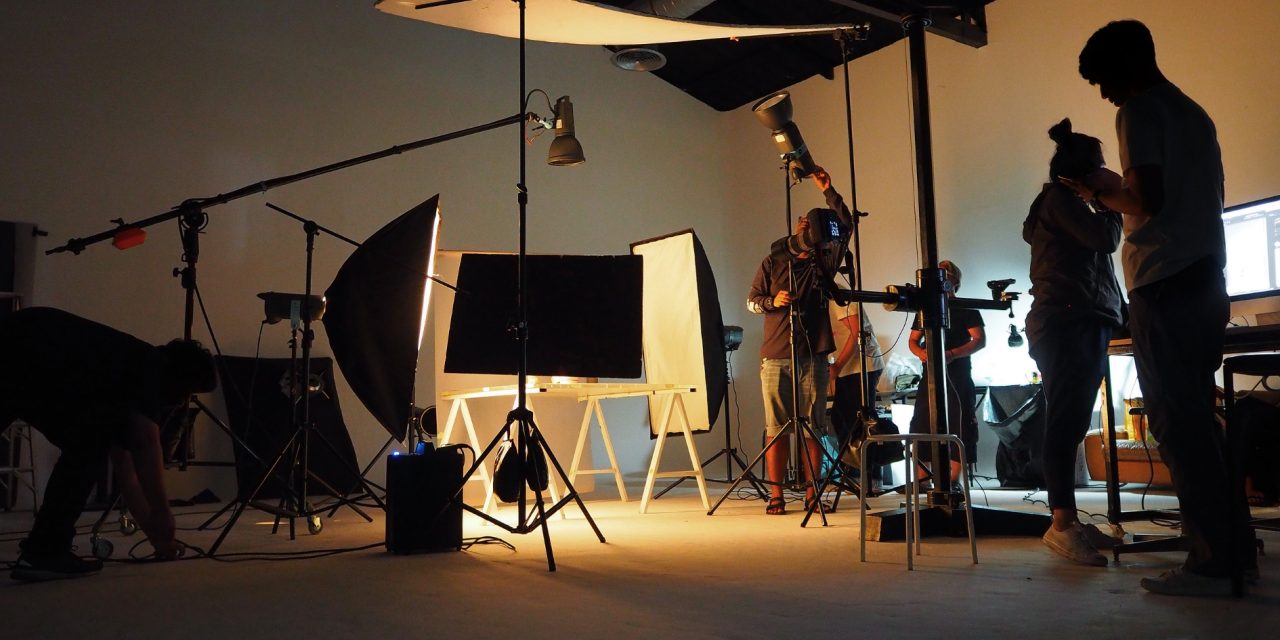
Studio lighting has always been about one thing—making everything look and feel right. But in today’s production world, it’s also about how much power you’re using to get there. Because nothing ruins a “clean aesthetic” faster than a not-so-clean energy bill quietly stacking up in the background.
The shift toward sustainable lighting is changing that. Modern solutions now deliver professional illumination while dramatically reducing power consumption, making them essential for studios aiming for efficiency, lower costs, and greener workflows.
This piece explores how sustainable lighting solutions are reshaping studio environments—from advanced LED systems to experimental organic alternatives—and what it means for the future of music production.
LED Innovations with Recyclable Components
LED technology is leading the sustainability push in studio lighting. Today’s high-performance fixtures don’t just deliver brightness. Rather, they’re designed with longevity, repairability, and recyclability in mind.
Brands like Nanlite are setting the pace with eco-focused models such as the Forza and FC series. These lights combine high color accuracy (CRI above 95) with recyclable materials like aluminum heatsinks and modular internal components.
Other major players include Aputure and Godox, all pushing toward longer lifespans and reduced environmental impact.
Here’s a quick comparison of popular eco-conscious LED options:
| Light | CRI | Lifespan (hrs) | Recyclable % | Power (W) | Lumen/Watt |
| Nanlite FC-300Eco | >95 | 100,000 | 92 | 300 | 120 |
| Aputure LS 300d | 96 | 80,000 | 88 | 300 | 115 |
| Godox SL-200V | 95 | 90,000 | 85 | 200 | 110 |
| Nanlite Forza Eco | 97 | 110,000 | 94 | 250 | 125 |
What makes these systems stand out is modular design. Instead of replacing entire units, studios can repair or swap individual components. That reduces both cost and electronic waste—key factors in sustainable production.
Bioluminescent and Organic Alternatives
If LED lighting is the present, bioluminescent technology might be a glimpse into the future.
Research from institutions like MIT is exploring lighting systems powered by biological processes. These include panels that generate light through engineered bacteria or organic compounds—requiring little to no electricity.
While still emerging, these solutions offer:
- Zero electrical consumption in certain use cases
- Low-intensity ambient lighting for creative environments
- Integration with sustainable systems like organic waste cycles
At the moment, their brightness levels are better suited for ambient or accent lighting, rather than full studio illumination. That’s why many setups pair them with LED systems in hybrid configurations.
It may sound a bit futuristic (and yes, slightly like your studio is turning into a science project), but the potential for off-grid and low-impact production spaces is huge.
Modular Systems for Long-Term Sustainability
One of the most practical shifts in studio lighting is the move toward modular systems.
Lights like the Aputure LS series are designed so that key components—LEDs, drivers, and optics—can be replaced or upgraded independently. This extends product lifespans from a few years to over a decade.
Here’s how modular systems compare:
| Light | LED Replaceable | Driver Modular | Optic Swap | Score/100 |
| Aputure LS 300X | Yes | Yes | Yes | 95 |
| Nanlite Forza Eco | Yes | Yes | Partial | 88 |
| Godox Modular | Partial | Yes | Yes | 82 |
This approach delivers real benefits:
- Lower long-term costs (repairs instead of replacements)
- Reduced e-waste
- Greater flexibility for evolving studio needs
For studios aiming to meet sustainability targets—or simply reduce waste—modular lighting is one of the easiest upgrades to implement.
Conclusion
Sustainable lighting is no longer a niche upgrade. It’s becoming a core part of modern studio design.
From energy-efficient LEDs to experimental organic lighting and modular systems, today’s solutions offer a balance between performance and responsibility. Studios can now achieve professional results while reducing power consumption, cutting costs, and minimizing environmental impact.
As the industry moves toward greener production standards, adopting these technologies isn’t just forward-thinking—it’s fast becoming essential.If you were upgrading your studio today, would you prioritize lower power consumption, longer lifespan, or full eco-friendly setup? Let us know in the comments and stay ahead of production trends with DLK Music Pro News!