There is something deeply humbling about watching a producer spend $4,000 on plugins, only to get emotional because a slightly distorted tape emulator finally made the snare feel “alive.” Modern music production is dramatic sometimes. But there is a reason producers keep chasing vintage warmth: clean digital audio can be technically perfect and still feel emotionally cold.
That is exactly why 2026 hardware trends are leaning hard into transformer saturation, tape emulation circuits, tube harmonics, and vinyl-inspired playback systems. Technologies once locked inside massive analog studios are now being recreated through Lundahl transformers, JFET discrete circuits, OTP tape cores, and direct-drive turntables at a fraction of the original cost. The goal is not nostalgia for nostalgia’s sake. It is depth, movement, harmonic richness, and that elusive sense of warmth that made classic recordings feel human.
Tape Emulation Circuits Recreating Analog Saturation
Modern tape emulation hardware has become shockingly accurate at recreating the harmonic behavior of classic reel-to-reel machines like the Studer A80 and Ampex 456.
Technologies like OTP tape cores, custom hysteresis curves, discrete opamps, and NOS capacitors now reproduce the soft clipping, low-end bloom, tape compression, and subtle high-frequency rolloff engineers associate with classic analog recordings.
A standout example is the Rupert Neve 542, which recreates tape-style harmonic saturation and compression using custom iron transformers and analog circuitry. Engineers use tools like this to capture the warmth of tape without dealing with actual tape machine maintenance, alignment headaches, or the terrifying cost of vintage repairs.
Key technologies driving modern tape emulation include:
- OTP iron for magnetic saturation behavior
- Hysteresis curves for organic soft clipping
- Discrete opamps for low-end thickness
- NOS capacitors for vintage-style top-end smoothing
The result is a more dimensional sound that works beautifully on vocals, drums, synths, and mix buses. Especially vocals. Producers have discovered that almost anything sounds more expensive once it acquires mild tape sadness and emotional compression.
The Tube and Transformer Revival
Modern hardware designers are also reviving vintage tube and transformer workflows that shaped recordings throughout the 1960s and 1970s.
Brands like Lundahl, CineMag, and Marinair now manufacture transformers specifically designed to recreate the harmonic response of legendary analog consoles and tube preamps. Combined with classic tubes like EF86s, KT88s, and 12AX7s, these systems produce rich second-order harmonics, smoother transients, and more natural saturation than purely digital processing often achieves alone.
Popular modern examples include:
| Brand | Model | Key Components |
| McIntosh | MA352 | KT88 tubes + Lundahl transformers |
| Warm Audio | WA12 | EF86 tube + CineMag transformer |
| Manley | MAXX | 12AX7 tube circuitry |
| Heritage Audio | HA-73 | Marinair transformer design |
These units thrive in hybrid production setups where producers blend analog coloration with modern DAWs and plugin chains.
The appeal goes beyond sound quality alone. Tube and transformer circuits introduce movement and unpredictability into recordings. Tiny nonlinearities create subtle imperfections that listeners often perceive as warmth, depth, and realism.
Ironically, after decades of trying to eliminate distortion entirely, producers are now paying premium prices to put carefully controlled distortion back into everything. Music production truly is a beautiful cycle of emotional confusion.
Vinyl-Inspired Turntables and Analog Playback
Vinyl-inspired hardware is also making a serious comeback in 2026 studio and hi-fi workflows.
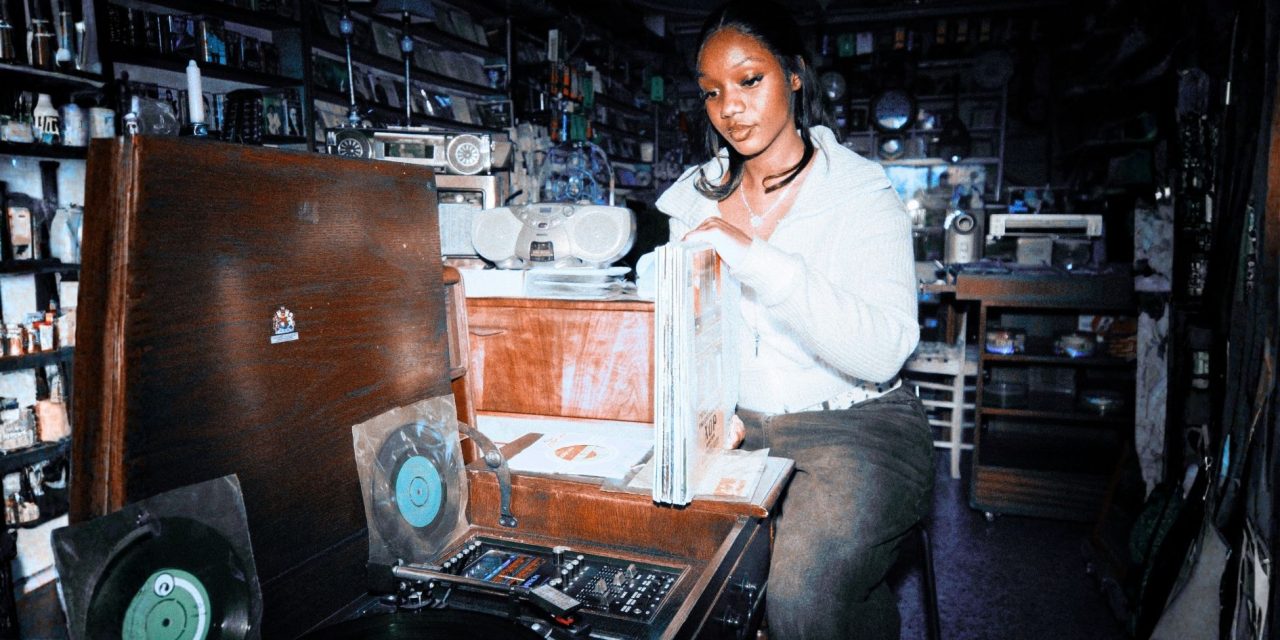
Modern direct-drive turntables combine vintage playback character with modern engineering precision. Heavy platters, high-torque motors, and improved wow/flutter stability now allow systems like the Technics SL-1300L to recreate the movement and physicality of classic vinyl playback while maintaining far greater consistency than older designs.
Current features producers and collectors prioritize include:
- Heavy platters for vibration reduction
- High-torque motors for stable pitch accuracy
- Low wow/flutter ratings for cleaner imaging
- Tube phono preamps for analog coloration
- Moving coil cartridges for enhanced detail retrieval
Popular pairings include cartridges like the Ortofon 2M Black for high-detail playback chains.
For producers, vinyl-inspired systems are not only about listening. They influence mixing decisions too. Many engineers now test mixes through analog-inspired playback chains specifically to evaluate warmth, stereo width, transient softness, and emotional translation outside hyper-clinical digital monitoring systems.
Because sometimes a perfectly clean mix still feels strangely lifeless until it passes through something with a little friction, weight, and personality attached to it.
Conclusion
The modern analog revival is not about rejecting digital production. It is about restoring the harmonic depth, movement, and emotional texture many producers feel modern workflows lost somewhere along the way.
Tape emulation circuits, transformer-based hardware, tube saturation, and vinyl-inspired playback systems now allow producers to capture classic warmth without the enormous costs and maintenance demands of vintage gear. Hybrid production setups continue blending the best of both worlds: digital flexibility with analog character.
And in 2026, that balance matters more than ever. Because listeners may not always understand transformer saturation curves or tape hysteresis behavior, but they absolutely notice when music feels warm, alive, and human.
Have you ever heard an old recording sound imperfect in every technical way, yet somehow feel more alive than half the music released today?
Stay with DLK Music Pro News for more conversations about the sounds, tools, and production choices keeping modern music human.