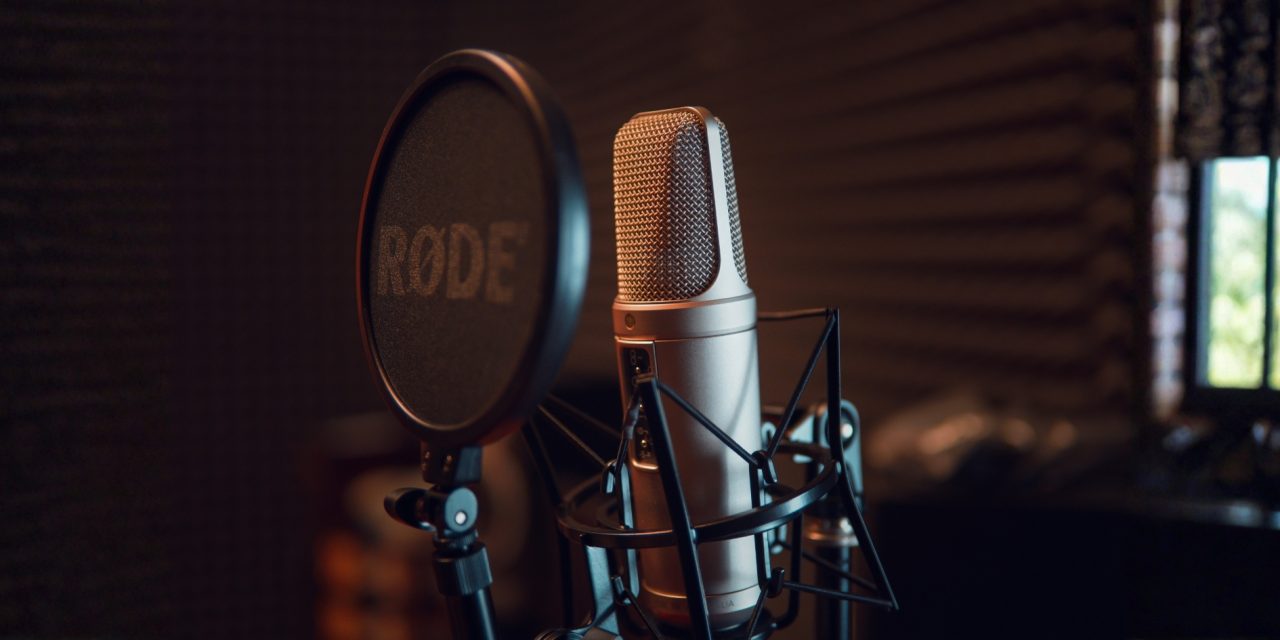
Every great mix begins with a quiet, unforgiving truth. If the microphone misses it, no plugin will save it later. As studio gear evolves in 2026, microphone choice matters more, not less.
Clean capture now determines how well recordings survive modern processing, immersive formats, and high-resolution playback. This article dives into the essential microphones that still matter, why their specs matter, and how smart choices future-proof any studio setup.
Core Audio Capture: Microphones That Matter
Microphone selection sets the foundation of the entire signal chain. Engineers prioritize SPL handling, frequency response, and self-noise to capture clean audio. These factors ensure recordings remain usable as production standards advance through 2026.
Capsule technology has evolved from early condensers into modern large-diaphragm designs. This evolution delivers wider frequency response and lower self-noise for music producers. Reliable condenser and dynamic microphones remain timeless studio gear despite constant innovation.
Choosing microphones that match sources is essential. Vocals, drums, and instruments each demand different capture characteristics. Pairing microphones with quality preamps, pop filters, and shock mounts improves results in both home studios and professional setups.
Practical choices matter just as much as specs. Testing polar patterns improves room rejection. Proper mic stands and isolation reduce handling noise. These details keep audio production tools reliable for beat making, pop production, and long-term studio growth.
Condenser Mics for Vocals and Instruments
Large-diaphragm condensers remain the backbone of vocal and instrument recording. The Neumann U87 Ai continues as a professional studio standard. Its smooth top end works well on lead vocals and acoustic guitars.
Key condenser microphone specs for studio setups
| Mic Model | Price | Self-Noise | Max SPL | Frequency Response |
| Neumann U87 | $3,200 | 12 dB-A | 127 dB | 20Hz-20kHz |
| AKG C414 | $1,200 | 6 dB-A | 158 dB | 20Hz-20kHz |
| Rode NT1 | $250 | 4.5 dB-A | 132 dB | 20Hz-20kHz |
Cardioid patterns offer the best off-axis rejection for vocal booths. A common chain includes a Neumann U87 into a Neve preamp, then DBX 286s compression. This setup works well for hip-hop production and voiceover equipment in Logic Pro.
Dynamic Mics for Live Tracking
Dynamic microphones are essential for loud sources and untreated rooms. The Shure SM7B handles high SPL without distortion. Its cardioid pattern minimizes bleed during multi-track recording.
Dynamic microphones compared for live tracking
| Mic Model | Price | Proximity Effect | Off-Axis Rejection |
| Shure SM7B | $400 | Strong | Excellent cardioid |
| Electro-Voice RE20 | $450 | Moderate | Variable-D pattern |
| Sennheiser MD421 | $400 | Present | Cardioid with hump |
Proximity effect boosts low frequencies at close range, making these mics ideal for radio vocals. In Logic Pro, an SM7B into DBX 286s handles de-essing and gating cleanly. Basic acoustic treatment further improves results in home studios.
These microphones also excel on guitar amps and drums. Their durability makes them essential for live streaming setups, hybrid studios, and field recording work.
USB vs. XLR: Future-Proof Choices
XLR microphones paired with interfaces like the Focusrite Scarlett outperform most USB options. They offer greater dynamic range and cleaner signal paths. This matters for modern producer essentials and portable studios.
USB vs XLR recording comparison
| Setup | Bit Depth/Sample Rate | Dynamic Range | Noise Floor Advantage |
| Blue Yeti (USB) | 16-bit/48kHz | ~90 dB | Baseline |
| Rode NT1 + Scarlett 2i2 (XLR) | 24-bit/192kHz | ~110 dB | 18 dB cleaner |
XLR chains reduce noise floor and preserve detail for complex mixes. A practical upgrade path starts with USB, then moves to XLR by year two. Low-latency monitoring improves real-time performance.
XLR systems remain essential for electronic music production and Dolby Atmos workflows. These choices ensure timeless equipment stays relevant well beyond 2026.
Conclusion
Microphones remain the most critical link in the studio signal chain. Specs, capsule design, and connectivity all shape how recordings age over time. As production standards rise, clean capture becomes non-negotiable. Choosing the right microphones now protects mixes later. Essential studio gear still starts with sound entering the system correctly.
Are your microphone choices helping your recordings survive modern production demands, or quietly holding them back? Let us know in the comments and keep up with essential studio gear and production insights only at DLK Music Pro News!