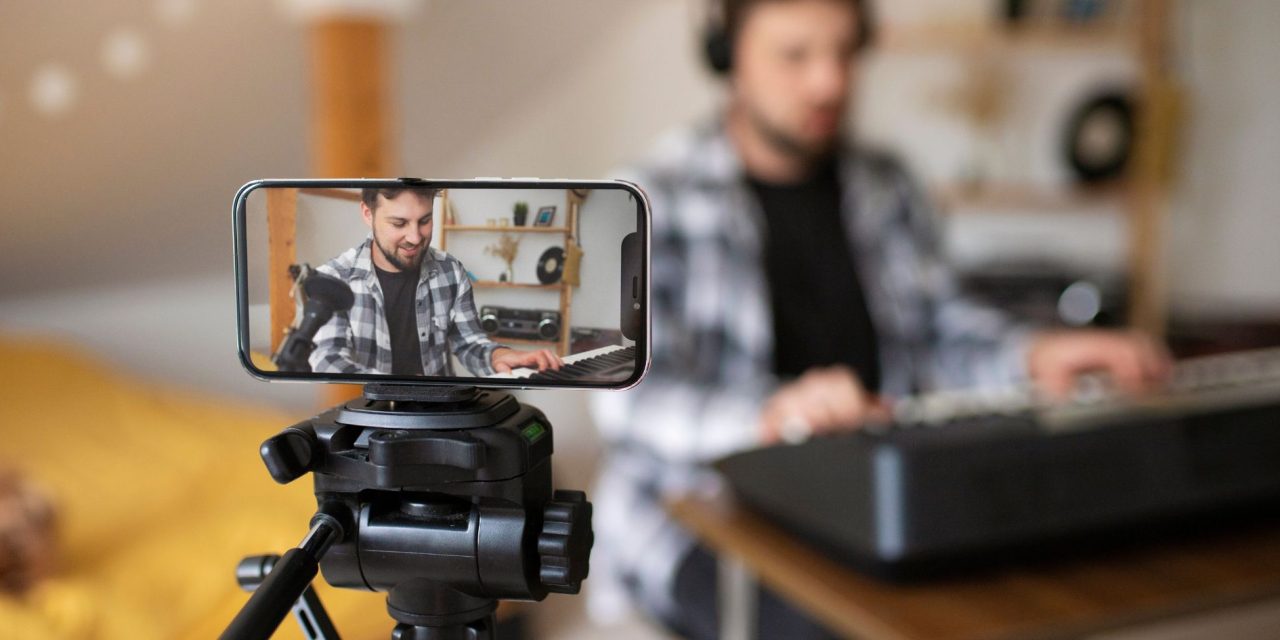
A portable production setup is only useful if you can actually keep your shots stable. Thankfully, modern gimbals, lightweight tripods, and modular cages make it possible to build a capable rig without turning your backpack into a small warehouse.
The right combination gives you flexibility across locations and shooting styles. A gimbal handles movement, a compact tripod provides a stable base, and a modular cage lets you add the accessories you need without rebuilding the entire setup for every shoot.
Gimbals: DJI RS 4 Pro, Zhiyun Crane 4 and More
Modern 3-axis gimbals can handle surprisingly heavy camera setups while remaining practical for mobile production. Improvements in motors, balancing systems, and stabilization technology have made them increasingly useful for filmmakers and creators working outside a traditional studio.
The basic workflow matters as much as the gimbal itself. Balance the camera and lens before powering up, then calibrate the motors for the specific rig. This reduces unnecessary motor strain and helps produce smoother movement.
For travel, consider more than payload. Battery life, folded size, controls, and compatibility with your camera all affect how useful a gimbal will be once you’re actually on location.
| Model | Payload | Weight | Price | Battery | Notable Feature |
| DJI RS 4 Pro | 4.5kg | 1,350g | $879 | 12hr | LiDAR AF |
| Zhiyun Crane 4 | 4.8kg | 1,600g | $699 | 10hr | Sling mode |
| Moza AirCross 3 | 3.2kg | 1,200g | $549 | 8hr | Gesture control |
| Feiyu AK2000C | 2.5kg | 1,100g | $449 | 11hr | Compact design |
The best choice isn’t necessarily the gimbal with the highest payload. Match the capacity to your actual camera, lens, microphone, monitor, and other accessories.
A lighter mirrorless setup may benefit more from portability than a heavy cinema rig benefits from additional payload capacity.
Lightweight Tripods and Monopods
Even the most capable gimbal can’t replace a tripod when you need a locked-off shot. A lightweight tripod gives your field production gear another shooting option without adding excessive weight.
Look for a balance between folded size, working height, load capacity, and stability. Carbon-fiber models can be particularly useful for creators who regularly move between locations.
Some travel tripods can also convert into monopods, giving you another way to support a camera during events, interviews, and fast-moving shoots.
| Model | Weight | Height | Folded Length | Price | Load |
| Peak Design Carbon | 1.27kg | 152cm | 39cm | $599 | 9kg |
| Sirui ET-2204 | 1.4kg | 177cm | 45cm | $299 | 12kg |
| Manfrotto Befree GT XPRO | 1.76kg | 164cm | 43cm | $249 | 10kg |
| Benro MeFoto RoadTrip Pro | 1.63kg | 171cm | 41cm | $199 | 8kg |
Quick-release plates are particularly useful for mobile production. They allow you to move the camera between a tripod and gimbal without wasting time rebuilding the setup.
For creators who shoot interviews, events, travel content, and social media videos, that flexibility can matter more than shaving a few hundred grams from the bag.
Modular Cage Systems
A camera cage turns a basic camera body into a more adaptable portable studio.
Instead of attaching every accessory directly to the camera, a cage provides multiple mounting points for handles, monitors, wireless receivers, SSDs, lights, and other accessories. This creates a more organized rig while distributing accessories around the camera.
SmallRig, Tilta, Wooden Camera, and other manufacturers offer cages for different camera systems and production requirements.
| Brand | Cage | Weight | Price | Compatibility |
| SmallRig | Black Mamba | 248g | $129 | Sony FX3/A7S III |
| Tilta | Advanced | 320g | $179 | RED/BM |
| Wooden Camera | Various | 450g | $249 | ARRI/Panasonic |
| ProRig | V3 | 195g | $99 | Most mirrorless |
The advantage of a modular cage is adaptability. You can strip the rig down for a lightweight shoot or add a monitor, microphone, SSD, or wireless system when the production demands more.
Just avoid adding accessories simply because there is an empty mounting point. Every extra component adds weight, affects balance, and can make a mobile setup less comfortable to use.
Build for the Way You Actually Shoot
The strongest portable production gear setup isn’t necessarily the one with the most accessories. It is the one that can move quickly between different shooting situations without becoming cumbersome.
For a lightweight mobile studio, a practical combination might be:
- Gimbal: smooth moving shots and tracking
- Tripod: interviews, static compositions, and controlled shots
- Monopod: quick support in crowded locations
- Camera cage: flexible accessory mounting
- Wireless microphone: reliable audio without excessive cabling
- Compact monitor: easier framing and exposure checks
Test the complete setup before taking it into the field. Walk with it. Balance it. Change batteries. Switch between support systems. Pack everything into the bag you actually plan to carry.
That process reveals problems that specifications alone won’t show.
Conclusion
Stabilization and rigging are ultimately about making a mobile production setup more capable without making it harder to carry or operate.
A well-matched gimbal provides movement, a compact tripod gives you stability, and a modular cage leaves room to expand as your production needs grow. The goal is a rig that supports your creative decisions rather than getting in their way.
As 2026 gear continues to emphasize portability and flexibility, thoughtful rigging can turn a simple camera bag into a genuinely capable production studio.
How much gear do you really need to build a production setup that can move with you? From smarter camera rigs to the technology reshaping modern production, DLK Music Pro News follows the gear—and the ideas—behind better content creation.