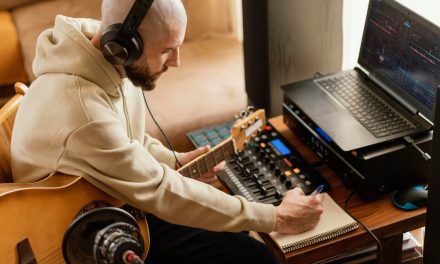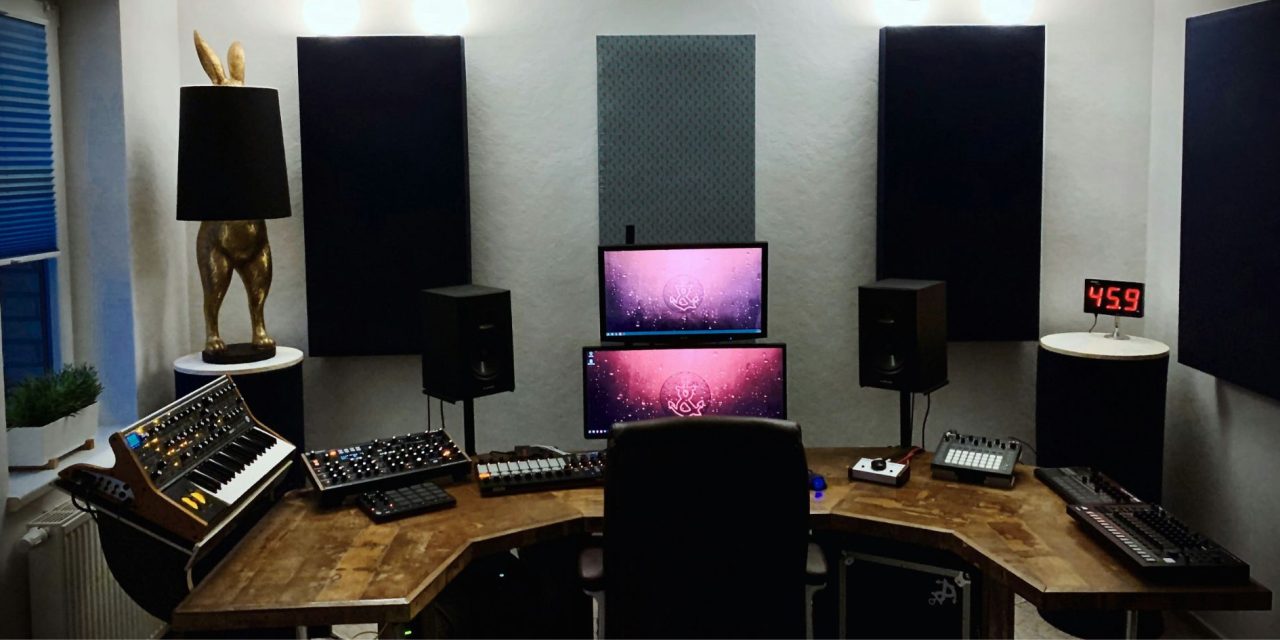
A few decades ago, making a polished record usually meant finding a studio, booking time, and watching the clock while your money disappeared.
Now, a producer can open a laptop, plug in an affordable interface, and start building a record from the bedroom. That changes more than the equipment list.
It changes who can afford to make music, how artists work, and what professional studios need to offer.
The Growing Economics of Home Production
Home music production has become an increasingly practical alternative to traditional studio recording. Affordable audio interfaces and DAWs can now provide the core tools needed for recording, editing, mixing, and production.
The broader music industry is also growing. IFPI reported that global recorded music revenue reached $31.7 billion in 2025, with streaming accounting for 69.6% of recorded music income.
That growth does not mean every artist needs a commercial studio. For independent musicians, home production can remove high costs from the creative process.
Brands such as Focusrite and Universal Audio offer interfaces aimed at producers who need reliable recording and low-latency monitoring without building a large studio.
A scalable setup can make more sense than buying everything at once. Start with an interface, headphones, a microphone, and a capable DAW.
Add monitors, MIDI controllers, better microphones, or other equipment as your skills and income develop.
This approach fits neatly into the growing creator economy. Producers can spend more time making music and less time paying for studio hours.
The Pressure on Traditional Studios
The rise of home production puts pressure on studios that once benefited from artists needing access to expensive recording environments.
However, the story is more complicated than simply saying studios are disappearing. Professional facilities still offer treated rooms, specialist equipment, experienced engineers, and spaces that home producers cannot easily recreate.
The bigger change is how artists decide when those advantages are worth paying for.
Some musicians can record vocals at home, produce tracks themselves, and collaborate remotely before bringing in a professional engineer for selected stages.
That creates opportunities for hybrid studio models built around remote production, mixing, mastering, and specialist recording.
The original piece points to a major decline in the number of US studios over the past decade. Those specific figures are difficult to verify independently, so the broader trend is more useful than treating them as a precise forecast.
| Year | US Studios Remaining |
| 2015 | 8,200 |
| 2026 | 3,200 |
Rather than rebuilding the entire traditional model, studios can adapt around the services home producers still need.
Remote collaboration is one example. An artist can record at home, send stems to an engineer, and receive professional mixing without booking a studio for every session.
Building a Budget Studio That Can Grow
The home studio does not need to imitate a commercial facility piece by piece.
Start with the essentials. A good audio interface, dependable microphone, headphones or monitors, and useful VST plugins can cover a surprising amount of production work.
Acoustic treatment also matters. Even expensive monitors cannot compensate for a room that gives you misleading information about your mix.
As the setup develops, producers can add better monitoring, microphones, MIDI controllers, hardware synthesizers, or more advanced interfaces.
The advantage of this approach is flexibility.
You can upgrade one part at a time instead of making one enormous investment before you have earned anything from the setup.
Newer technologies are also expanding what home producers can accomplish. Faster connections, cloud collaboration, and AI-assisted production tools can reduce some of the friction between creating music alone and working with others.
The equipment matters, but the workflow matters just as much.
The Creator Economy Is Expanding the Opportunity
The growth of independent music distribution has made it easier for artists to move from creating music to releasing it.
Artists can record at home, distribute through digital platforms, promote songs through social media, and build audiences without following the traditional studio-to-label path.
Billie Eilish remains one of the clearest examples. Her breakthrough work with Finneas was created largely in a bedroom studio using Logic, an audio interface, Yamaha monitors, and an affordable microphone.
Her story does not prove that expensive equipment is irrelevant. It shows that creative skill and a workable setup can matter more than having the biggest studio.
That distinction is important for producers starting today.
A practical home setup can support songwriting, beat production, vocal recording, mixing, and content creation without requiring a major upfront investment.
Producers can also build their workflows around tools such as:
- Sample packs from platforms like Splice for quickly developing new ideas.
- Mastering tools such as Ozone for loudness analysis and final processing.
- Digital distributors such as TuneCore for releasing music across streaming platforms.
- Pitch correction tools such as Melodyne for detailed vocal editing.
- DAWs such as Logic Pro and FL Studio for building complete productions at home.
The creator economy therefore changes more than equipment costs. It changes who gets the opportunity to participate.
An aspiring producer no longer has to wait for access to a commercial studio before learning how to make records.
Conclusion
The economics of music production are shifting because the tools needed to create quality music are becoming easier to access.
Home studios give independent musicians more control over their time, spending, and creative process. Professional studios still offer expertise and environments that many home setups cannot match.
The smartest approach may be to use both where they make sense.
Could your current studio setup help you create and release music without spending more than necessary?
DLK Music Pro News covers the DAWs, plugins, recording tools, production technology, and workflow developments that can help you make smarter decisions about your setup.