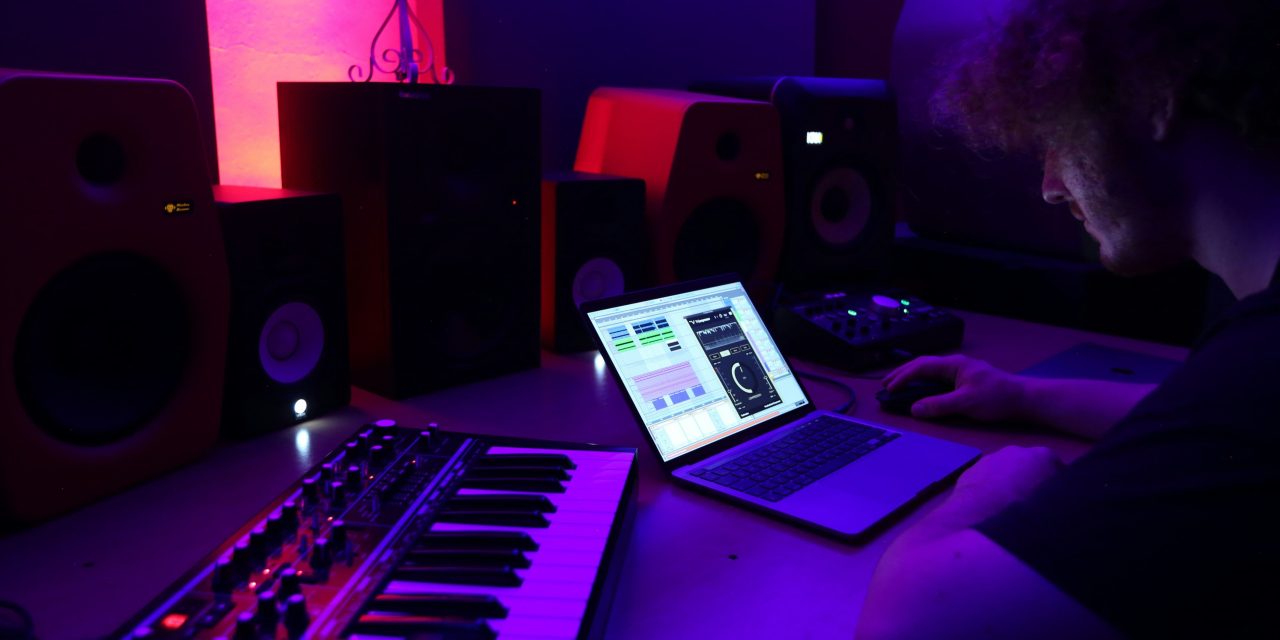
Funny thing about studio gear: we buy it thinking we’re in control… until six months later we realize the gear has quietly trained us right back. That controller changed how you write melodies. Those monitors changed how you EQ. Even your plugin chain probably has you making the same “safe” decisions without noticing.
That is the real feedback loop in modern production. Gear shapes how you work, and your workflow shapes the gear setups you keep refining. In 2026, this loop matters more than ever because modern studios are no longer static. They adapt with you. From intelligent monitoring systems to expressive controllers, the tools producers use are actively influencing creative decisions in real time—and reshaping workflow from idea to final master.
The Feedback Loop in Modern Production
Gear influences decisions, and those decisions reshape gear choices in a continuous cycle that now defines modern producer workflows. What once felt like simple hardware selection has become an evolving relationship between tools and creative habits. Every piece of equipment subtly affects how ideas are captured, processed, and finished.
Monitoring systems now analyze room acoustics and listening habits to improve playback accuracy. Controllers capture gestures and playing styles that gradually become part of a producer’s musical identity. Over time, these choices create highly personalized workflows that feel almost impossible to separate from the music itself.
This shift has made workflow optimization one of the most important factors in production. Producers are no longer just asking what sounds best. They are asking what helps ideas flow faster, cleaner, and with fewer creative interruptions.
The result is a recursive creative system where sound and gear constantly influence one another. That loop has become central to how modern music gets made.
Adaptive Monitoring Evolves Mix Decisions
Adaptive monitoring has changed how producers approach mixing by making playback systems smarter and more responsive. Systems like Genelec 8341A SAM with GLM software can analyze room acoustics and listening patterns to predict better EQ and balance decisions.
The process starts with room measurement and playback calibration. Once the system understands your space, it begins improving translation across listening environments. This creates more confidence when making mix choices.
Rather than constantly second-guessing frequency balance, producers can focus more on creative decisions. Adaptive monitoring reduces friction in one of the most technical stages of production. That means faster decisions and fewer revisions.
A suggested cut in a problem frequency range, for example, can prevent issues on headphones, cars, or client systems before they happen. These systems effectively help producers trust their ears more—not less.
In modern workflows, adaptive monitors have become less of a luxury and more of a productivity advantage. They help eliminate technical bottlenecks and keep momentum moving.
Controller Mapping Drives Genre Innovation
Controllers have become major workflow drivers because they influence how producers physically interact with sound. The rise of expressive hardware has made production feel more tactile, intuitive, and performance-driven.
Expressive E Osmose, for example, uses polyphonic aftertouch to capture subtle gestures that traditional MIDI keyboards often miss. This opens up new layers of expression during composition and sound design. The result is more emotional, human-feeling performances.
Other devices have shaped genres in similar ways. Haken Continuum inspired fluid, evolving sound textures. Roli Seaboard expanded expressive performance in electronic and pop music. These tools changed not just sound, but the way producers approached arrangement and composition.
Customized controller mapping is where workflow transformation really happens. Once producers build setups tailored to their habits, those mappings often become part of their signature process. Certain gestures lead to certain sounds, and eventually those patterns shape genre trends.
This is where workflow becomes deeply personal. The best gear setups are not always the most expensive. They are often the ones that feel most natural to the creator.
Conclusion
The relationship between gear and sound has always existed, but modern production makes that connection impossible to ignore. Today’s studio tools do more than process audio—they actively shape workflow, influence creative habits, and guide decision-making in subtle but powerful ways.
The feedback loop between gear and sound is no longer theoretical. It is happening in every session, every mix, and every creative breakthrough. Producers who understand this dynamic can build workflows that feel faster, smoother, and more inspiring.
The real question is not just what gear you use. It is how that gear is shaping the way you create.
Which piece of gear completely changed how you work—the good kind of “I can’t go back now”? Stay tuned to DLK Music Pro News as we keep breaking down the workflow shifts, tools, and production strategies shaping modern music creation.


