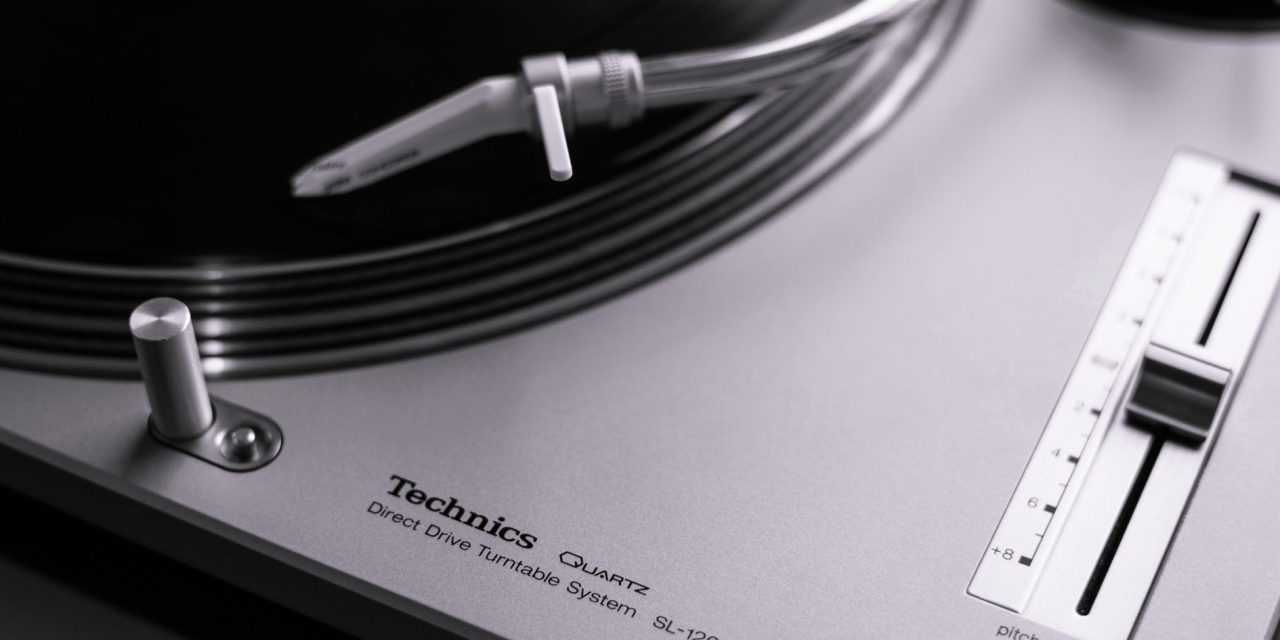
Technics has added a new flagship to its SL-1200 family, with finer pitch control and redesigned isolation. Here’s what working DJs should evaluate before its January 2027 release.
Technics unveiled the SL-1210MKX on October 21, 2026, during Amsterdam Dance Event. Positioned above the SL-1210MK7, the new direct-drive DJ turntable targets club, festival, touring, and scratch performance environments. Selected Technics retailers are expected to begin carrying it in January 2027.
The headline features sound promising, particularly for DJs dealing with booth vibration or seeking finer tempo adjustments. However, a premium specification sheet does not automatically make an upgrade worthwhile. Before investing, DJs should understand what has changed, which features suit their workflow, and what still needs independent testing.
What Technics Says the SL-1210MKX Improves
According to Technics’ official announcement, the SL-1210MKX was developed with input from working DJs and sound engineers. Its design focuses on stability, pitch precision, and creative control in demanding performance environments.
The turntable features a heavier, balanced chassis and redesigned isolation feet. Technics says these changes improve resistance to external vibration and reduce the risk of acoustic feedback. That matters in booths where powerful sound systems and deep bass can transmit vibration through the floor, furniture, and equipment.
If the design performs as intended, better isolation could help DJs maintain control in challenging acoustic environments. However, the degree of improvement over the SL-1210MK7 remains a question for independent testing. The announcement establishes Technics’ design goals, not a universal performance guarantee across different venues.
Pitch Control Offers More Room for Precision and Expression
The SL-1210MKX introduces two additional pitch ranges to the familiar ±8% and ±16% settings: ±4% and ±50%. Technics describes the dedicated ±4% setting as a first for the SL-1200 series.
The narrower range is intended to provide finer adjustment when beatmatching records with closely spaced tempos. The ±50% range offers much wider speed variation, which may interest turntablists and DJs exploring more dramatic pitch changes.
Neither setting automatically makes mixing easier. A narrower range changes the available adjustment, while a wider one expands the possible tempo variation. DJs should still evaluate the fader’s response and whether the available control suits their preferred mixing or scratching techniques.
The MKX also retains 33⅓ and 45 rpm playback, with 78 rpm available through a switch, alongside reverse playback. Its coreless direct-drive motor has adjustable start-up torque and brake speed. Other refinements include a quieter reset switch and a polished silver tonearm against the black finish.
Technics lists additional design changes, but not every refinement has been fully quantified in the launch announcement. Buyers should avoid assuming that every subtle change will produce a noticeable improvement in their particular setup.
Price, Availability, and What Remains Unconfirmed
Technics has announced recommended retail prices of €1,499 in Europe and £1,299 in the UK. Availability is expected to begin in January 2027 through selected retailers.
US pricing has not been confirmed in the official launch materials reviewed for this article. Although a US product page is available, its listing does not establish a confirmed retail price. Buyers in other markets should also check local availability and pricing with authorized retailers rather than assume the European figures will translate directly.
The remaining uncertainties extend beyond price. The launch announcement does not establish long-term reliability, serviceability, replacement-parts availability, or performance after months of touring.
For now, the most useful approach is to treat the published specifications as a basis for comparison and prepare a checklist for a future demonstration.
A Practical Upgrade Checklist
Before ordering the SL-1210MKX, compare its features with the needs of your existing setup.
- Identify the problem you need to solve. Is booth vibration affecting your performance? Do you want finer pitch adjustments, or do you need a wider range for turntablism? If your current decks already meet your needs, the upgrade may offer limited practical value.
- Evaluate isolation in a relevant environment. A quiet showroom cannot reproduce every club booth. When a demonstration becomes available, pay attention to feedback, table movement, and stability during cueing and scratching. Independent venue testing will provide a stronger basis for judging the claimed improvements.
- Try the pitch ranges yourself. The ±4% setting may suit DJs who make small tempo corrections, while ±50% offers greater flexibility for creative techniques. Assess the fader response and usable control range instead of relying on the numbers alone.
- Check compatibility with your existing equipment. Review cartridge and headshell requirements, flight-case fit, booth dimensions, and power connections. Touring DJs and venues should confirm these details before committing to a replacement or expanding an existing installation.
- Calculate the full investment. The advertised price covers the turntable, not necessarily every item needed for a working setup. Account for the number of decks required, cartridges, cases, accessories, maintenance, and any relevant local costs.
- Wait for independent reviews when practical. Comparisons with the SL-1210MK7 and other professional decks should help establish whether the changes make a meaningful difference. Prioritize reviews that explain their test conditions rather than repeating manufacturer claims.
Which DJs Should Pay Closest Attention?
The SL-1210MKX appears most relevant to professional vinyl DJs, touring performers, club technicians, and turntablists who work in demanding environments. Its announced features address specific concerns: vibration resistance, fine pitch control, and wider creative range.
Venue operators and rental companies may also want to evaluate the model for permanent installations or professional equipment inventories. However, they should consider service support, replacement parts, operating costs, and long-term durability alongside the advertised features.
For occasional vinyl mixing or a stable home setup, the upgrade case is less obvious. The additional pitch ranges may appeal to some users, but the value depends on whether those controls solve a genuine need. Comparing the MKX with more affordable alternatives is sensible before paying a flagship premium.
The Bottom Line
The Technics SL-1210MKX brings meaningful changes to the SL-1200 family on paper, particularly its dedicated ±4% pitch range, expanded ±50% setting, and redesigned approach to vibration isolation. Those features give DJs concrete reasons to investigate the new model.
The next step is evidence. Before upgrading, compare the specifications with your workflow, confirm the total cost, and seek hands-on demonstrations and independent tests where possible. The MKX may prove valuable for demanding professional setups, but its real-world advantages over the MK7 still need to be established.
Would you consider upgrading to the Technics SL-1210MKX, or would you wait for independent tests before making the investment?
Explore more DJ equipment coverage, music technology explainers, and industry updates on DLK Music Pro News.
Sources
- Technics/Panasonic: Official SL-1210MKX announcement, October 21, 2026
- Technics: SL-1210MKX product information and specifications
- Technics UK: SL-1210MKX product specifications
- MusicRadar: Technics’ new SL-1210MKX promises greater stability and finer pitch control
- DJ Mag: Technics unveils new SL-1210MKX direct-drive turntable
- Darko.Audio: Technics’ new SL-1210MKX runs pitch from ±4% to ±50%