If you have ever listened to a technically flawless mix and still felt… nothing, this conversation matters.
Digital audio gave us clarity, convenience, and control. It also quietly introduced a kind of sonic sterility many engineers could not quite name at first. The revolution that democratized recording in the 1990s reshaped studios forever. But in solving old problems, it created new ones.
This piece examines the rise of digital recording, the promise of high-resolution perfection, and the growing fatigue that pushed producers back toward analog warmth. Later in this series, we will explore the specific tools leading the 2026 analog resurgence.
For now, we trace how we got here.
Limitations of the Digital Era
In 1991, Alesis released the ADAT at $999. It democratized 24-track recording and disrupted an industry built around expensive tape machines. When paired with early versions of Pro Tools, it marked the beginning of widespread digital adoption.
The shift was revolutionary. But it also introduced digital’s 44.1kHz sampling structure, which many engineers described as “cold” compared to analog tape’s organic saturation and harmonic bloom.
By the 2000s, plugins accelerated the transition. Mixing and mastering became faster and more precise. Automation replaced manual recall sheets. Studio efficiency skyrocketed.
Yet many engineers noticed something missing.
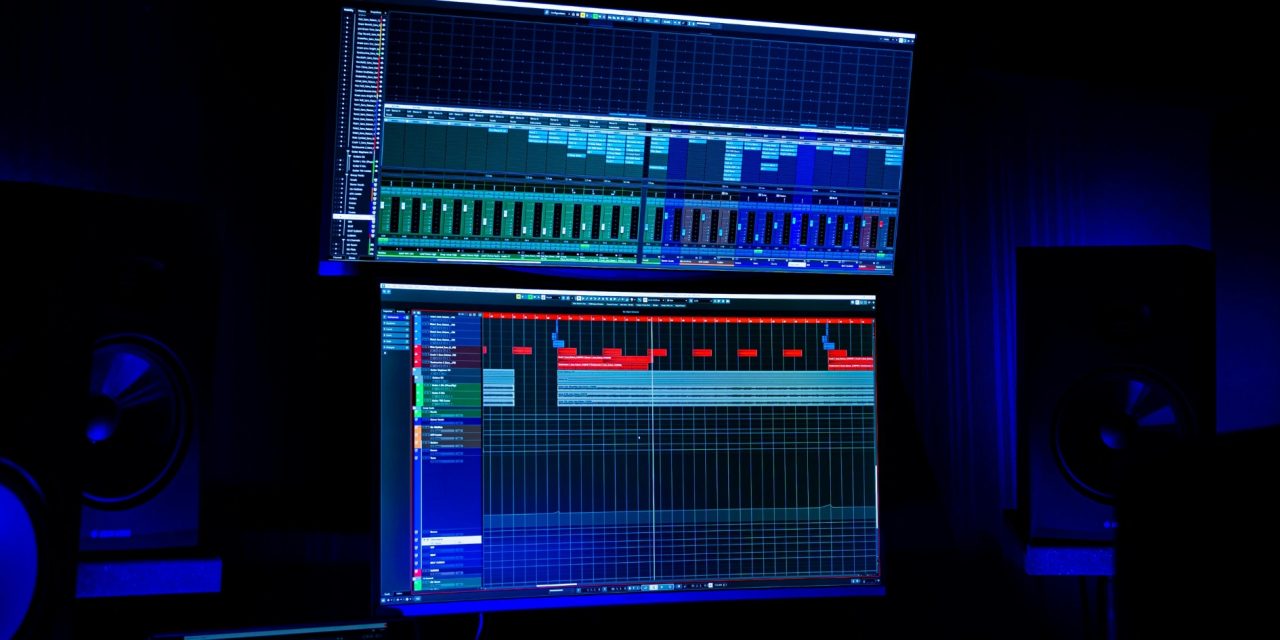
The 24-bit/96kHz paradox emerged. Higher specifications promised perfection, yet the results often felt sterile. Digital clarity revealed every detail, but lacked the natural compression and harmonic coloration that analog circuits provide by default.
Today, in 2026, that tension fuels the analog revival. New hardware chases vintage warmth through tape saturation circuits, transformer-based preamps, and tube amplification. Producers are not rejecting digital. They are correcting it.
Rise of Digital Audio in the 1990s
In 1991, Pro Tools v1.0 combined with Alesis ADAT fundamentally transformed studio workflows. Expensive multitrack tape systems were no longer mandatory. Smaller studios could now compete with larger facilities.
By 1993, 48kHz became more common, improving perceived audio quality over earlier sampling rates. By 1995, plugins began reshaping effects processing. Reverbs, compressors, and EQs moved from hardware racks into software windows.
Costs dropped dramatically. Maintenance budgets shrank. Tape alignment sessions disappeared. Engineers gained instant recall and editing precision that analog simply could not offer.
However, efficiency came at a sonic cost.
As digital workflows accelerated, harmonic richness often became secondary to speed and precision. Many modern producers now revisit Neve consoles and tape machines specifically to restore that missing depth.
The seeds of digital fatigue were planted during this era.
Clinical Sound: The Digital Dilemma
Digital audio offers enormous dynamic range and ultra-low distortion. On paper, this is ideal. In practice, perfection can feel unnatural.
Analog circuits introduce subtle harmonic distortion, particularly even-order harmonics from tube preamps. These imperfections add perceived warmth and depth. Digital systems aim to eliminate distortion entirely, which can result in a sound some engineers describe as “clinical.”
Blind listening tests referenced by the Audio Engineering Society often show listeners preferring subtle analog coloration over purely clean digital paths.
Digital systems can also struggle with intermodulation distortion peaks that feel harsher under certain conditions. Analog circuits tend to distribute nonlinearities more gracefully, making distortion less abrasive.
As a result, hybrid setups became common. Engineers blend SSL consoles with digital plugins. Boutique pedals, modular synths, and outboard saturation units re-enter modern studios.
The industry is not regressing. It is recalibrating.
Listener Fatigue from Perfect Fidelity
Extended digital listening sessions frequently produce faster fatigue compared to analog playback. Research suggests this may stem from sharper transients, treble emphasis, and lack of natural compression.
Belgian broadcasters observed increased listener fatigue in fully digital mixes. Harman research has flagged treble harshness linked to ultra-clean playback systems. AES testing has shown discomfort triggered by digital intermodulation distortion peaks.
Listeners describe it simply: “Digital pierces my ears after an hour.”
Analog systems, by contrast, introduce natural compression and saturation that smooth transients. Vinyl records and cassette tapes, despite measurable imperfections, often feel easier to listen to over long sessions.
In 2026, producers combat digital fatigue by incorporating tape saturation plugins, transformer-based preamps, and tube-driven signal paths. Even within digital environments, engineers now simulate the nonlinearities once considered flaws.
Perfection, it turns out, needed personality.
Conclusion
Digital audio revolutionized music production. It lowered costs, increased access, and expanded creative possibilities beyond anything the tape era allowed.
But in pursuing technical perfection, the industry underestimated the emotional value of imperfection. The current analog resurgence is not nostalgia. It is a response to listener fatigue, clinical precision, and the human desire for harmonic richness. The smartest studios in 2026 are not choosing sides. They are combining the clarity of digital with the warmth of analog.
The future is not either-or. It is hybrid.
Are you chasing perfect specs — or chasing emotional impact? Tell us how you balance digital precision and analog warmth in your sessions, then keep building smarter mixes with DLK Music Pro News!